
Posts

  • Post Schedule

    Friday’s post will be released in the afternoon/evening. There will be no posts next Monday-Wednesday while I’m stuck in hospital with minor surgery.

    Our forecast remains unchanged at this time.


  • Our Tariffied Markets

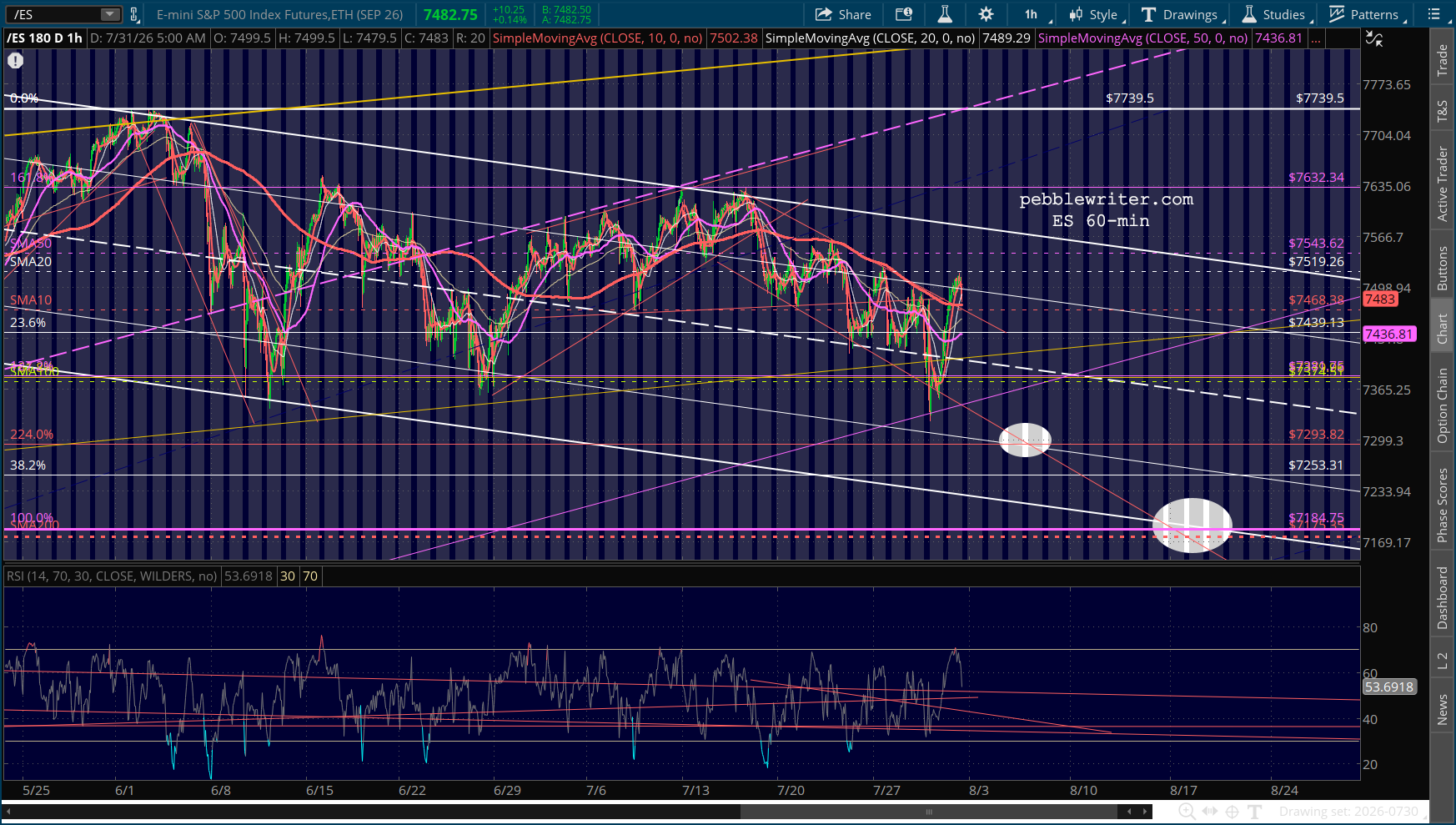
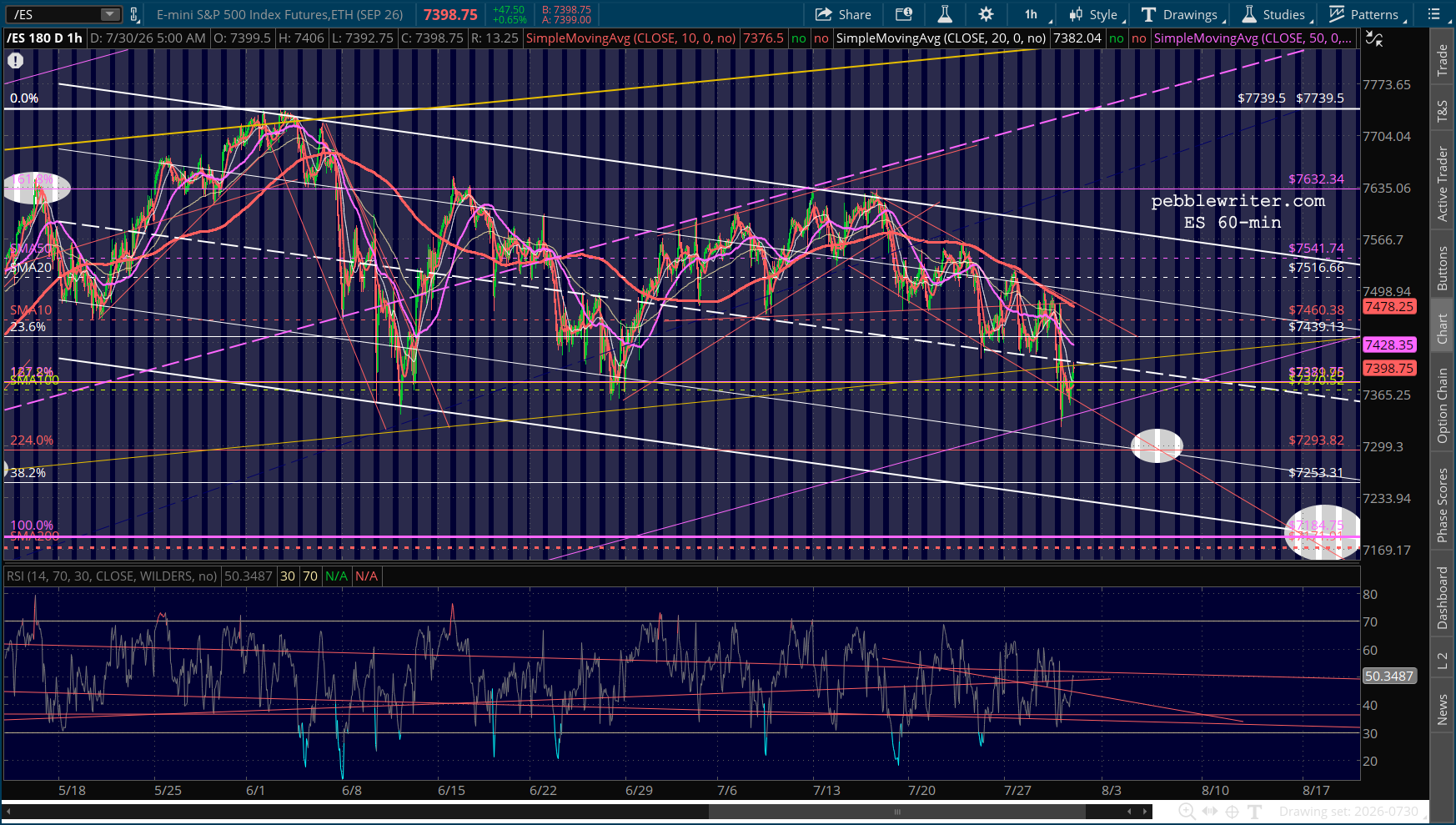
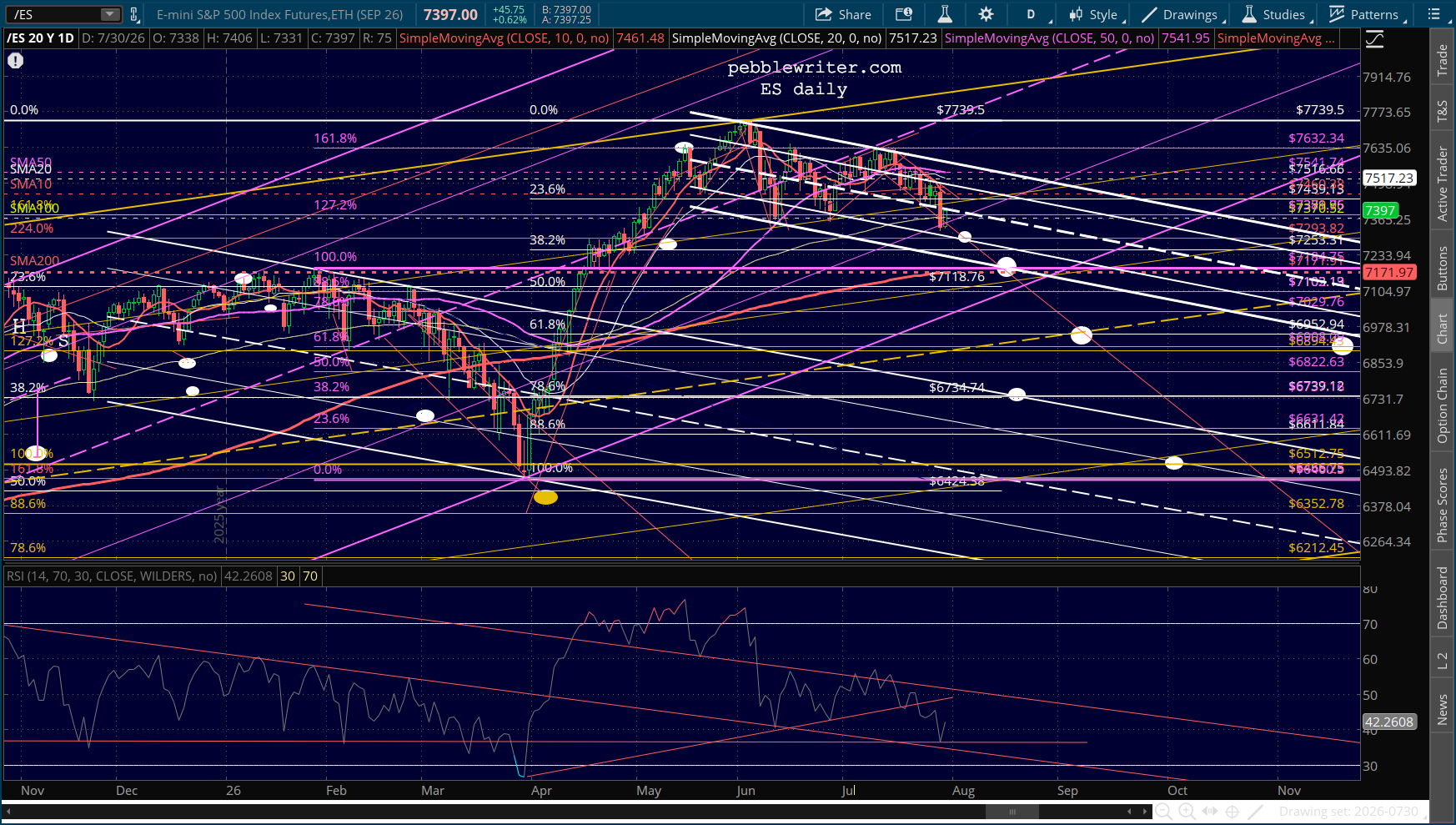
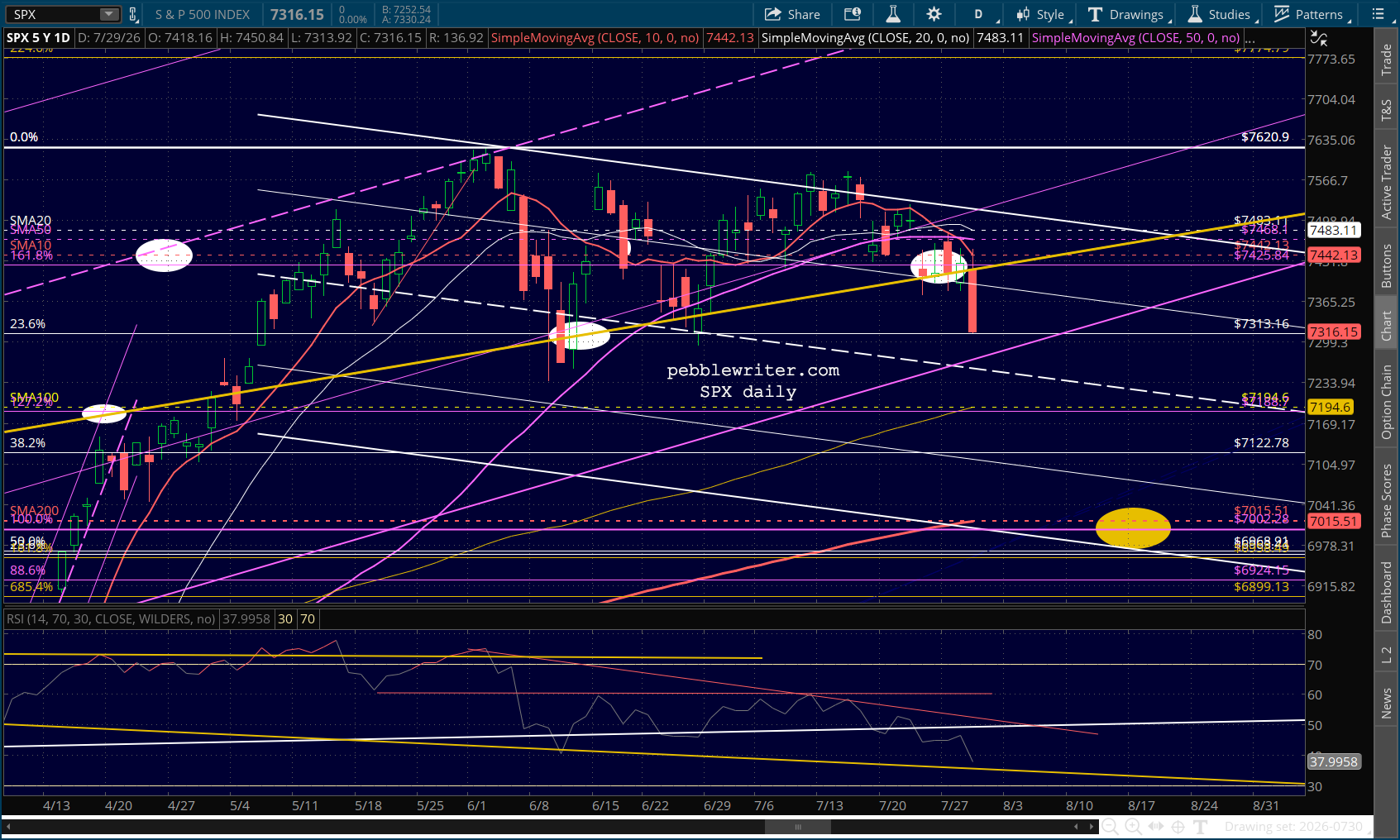
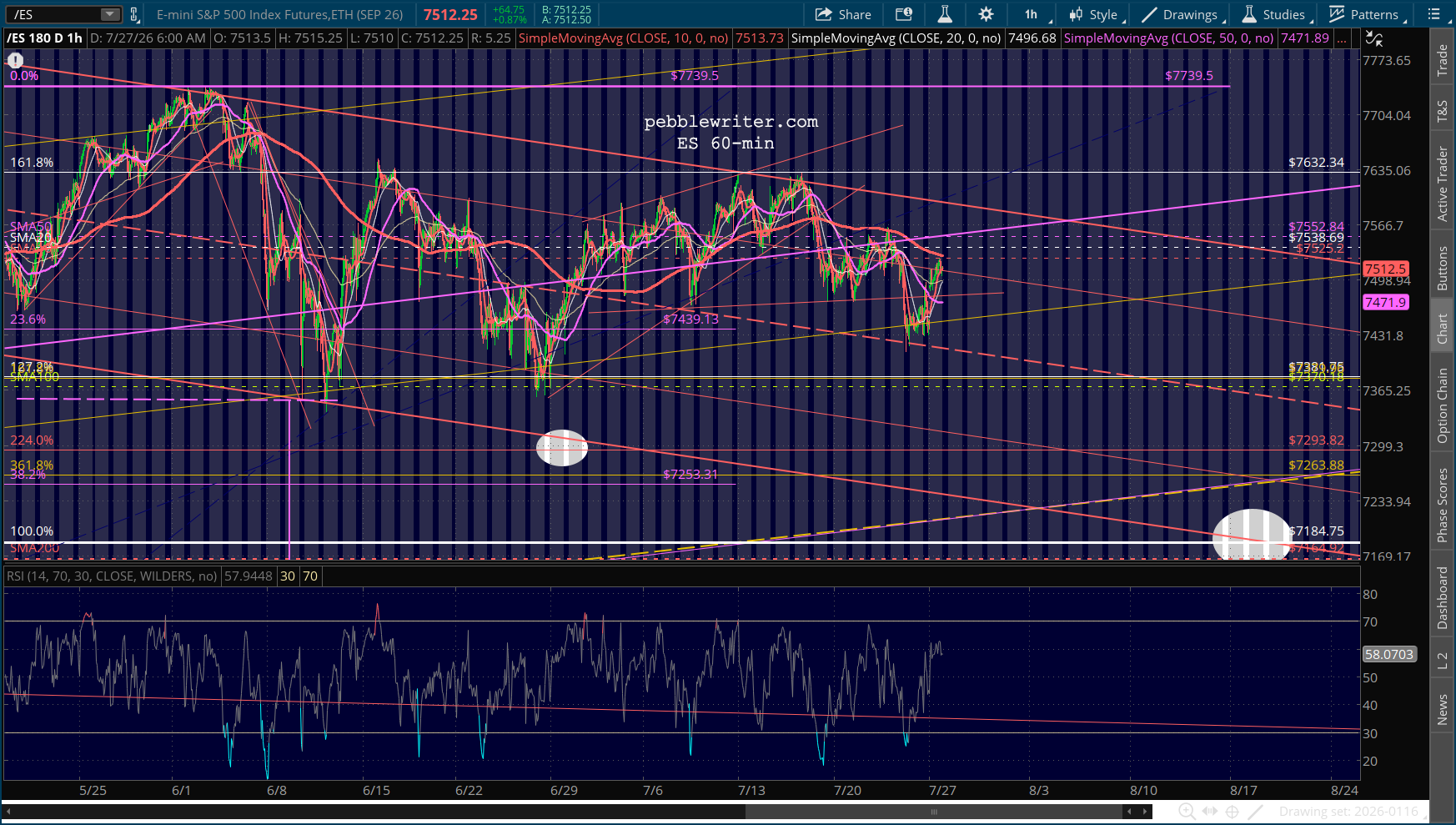
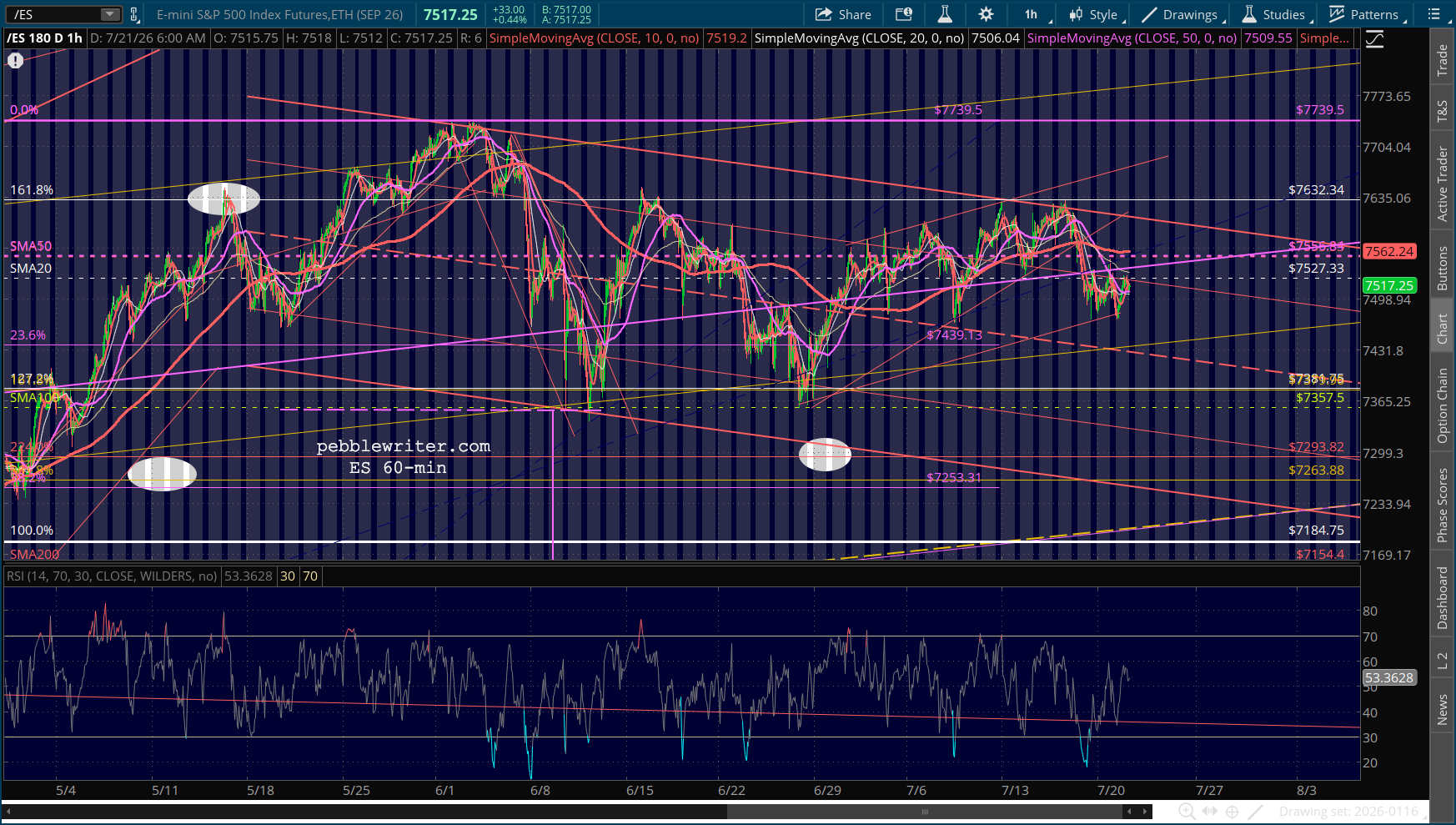
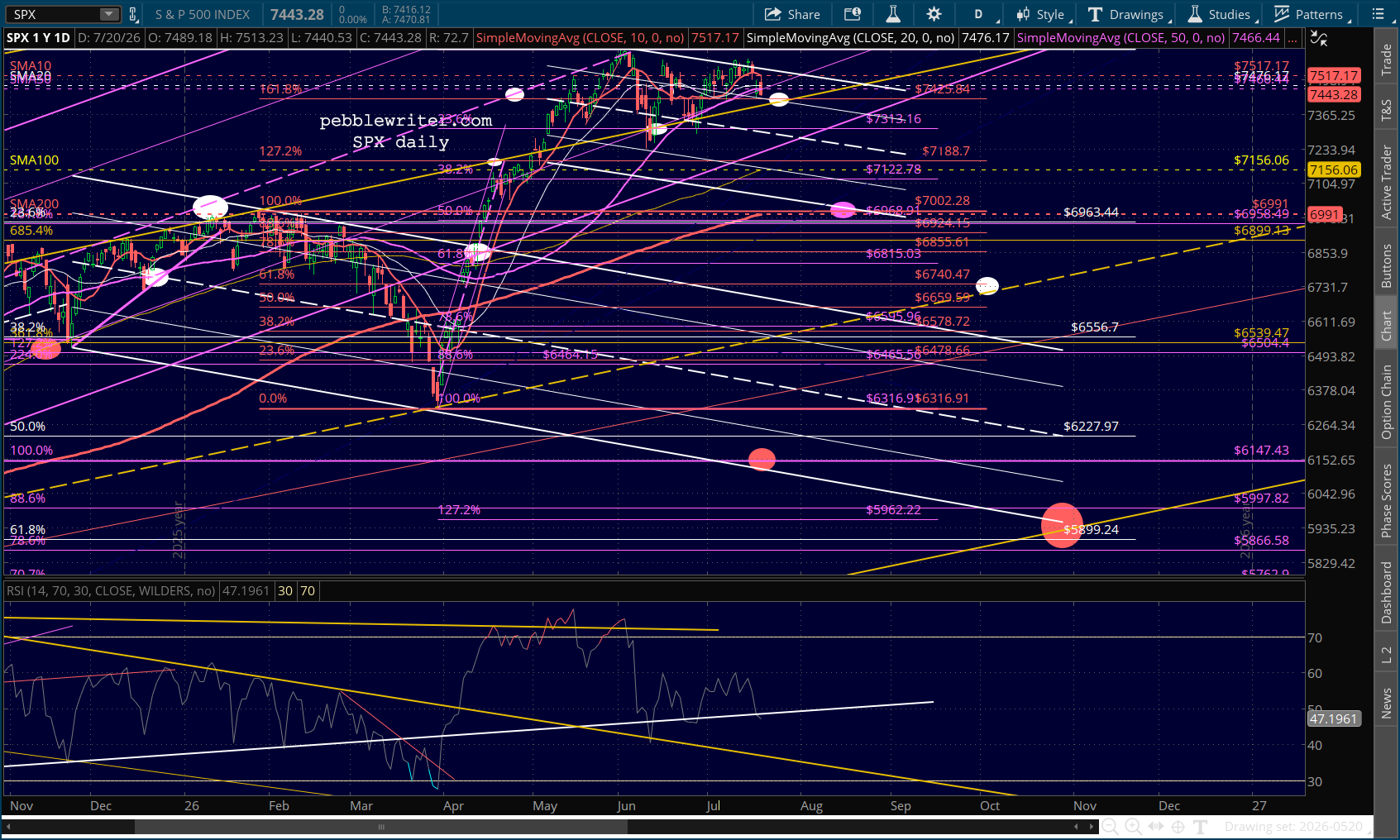
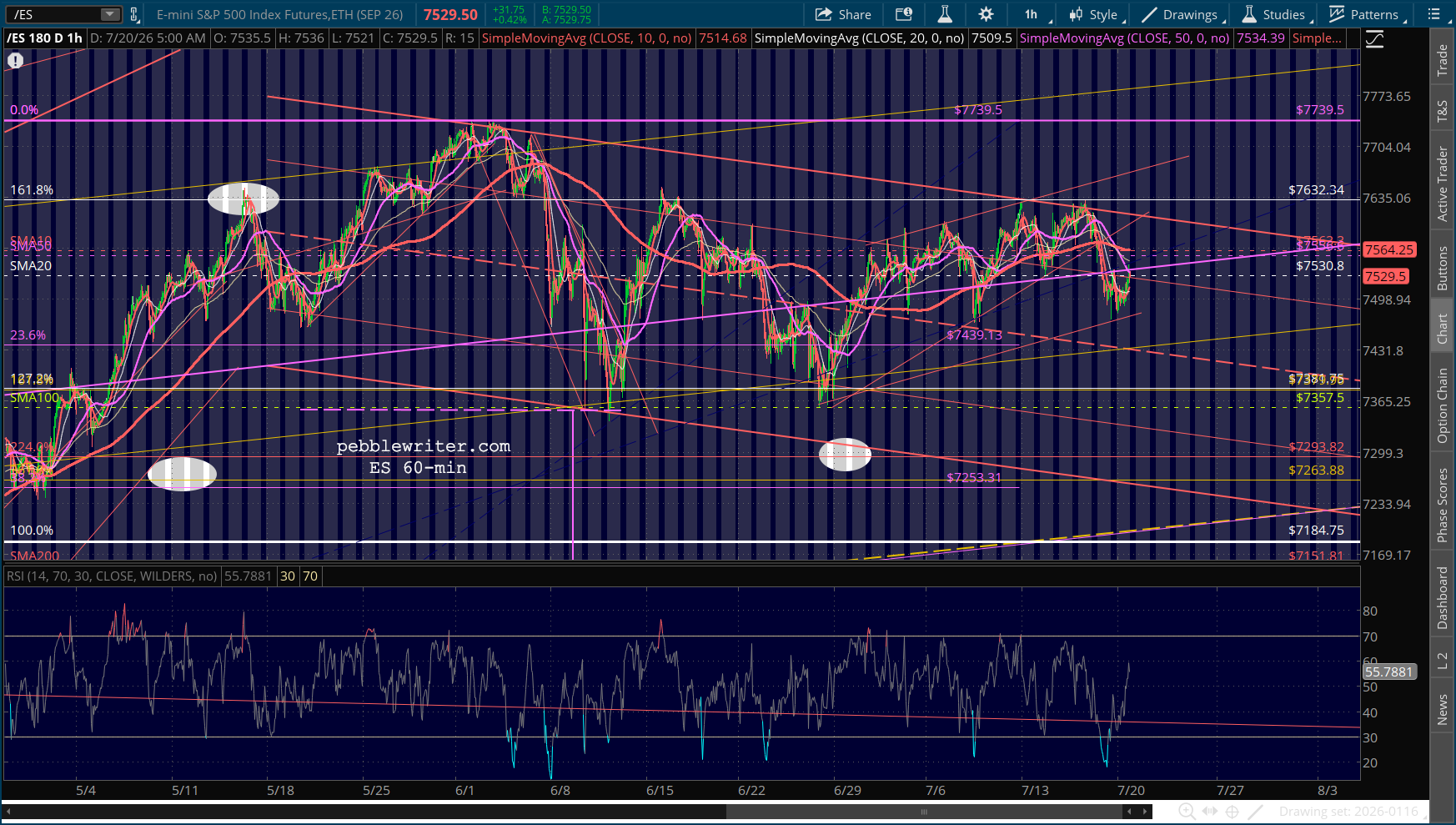
    Futures are off moderately following Friday’s bounce from the Supreme Court’s ruling that the bulk of Trump’s tariffs are illegal.  The benefits which might have ensued from tariffs being rolled back, however, were almost immediately negated by Trump’s insistence that alternatives to the current tariff regime would be implemented. It’s yet another chapter in the year-long tariff chaos that has pushed inflation higher and injected unwanted uncertainty into business and geopolitical dealings.

    continued for members

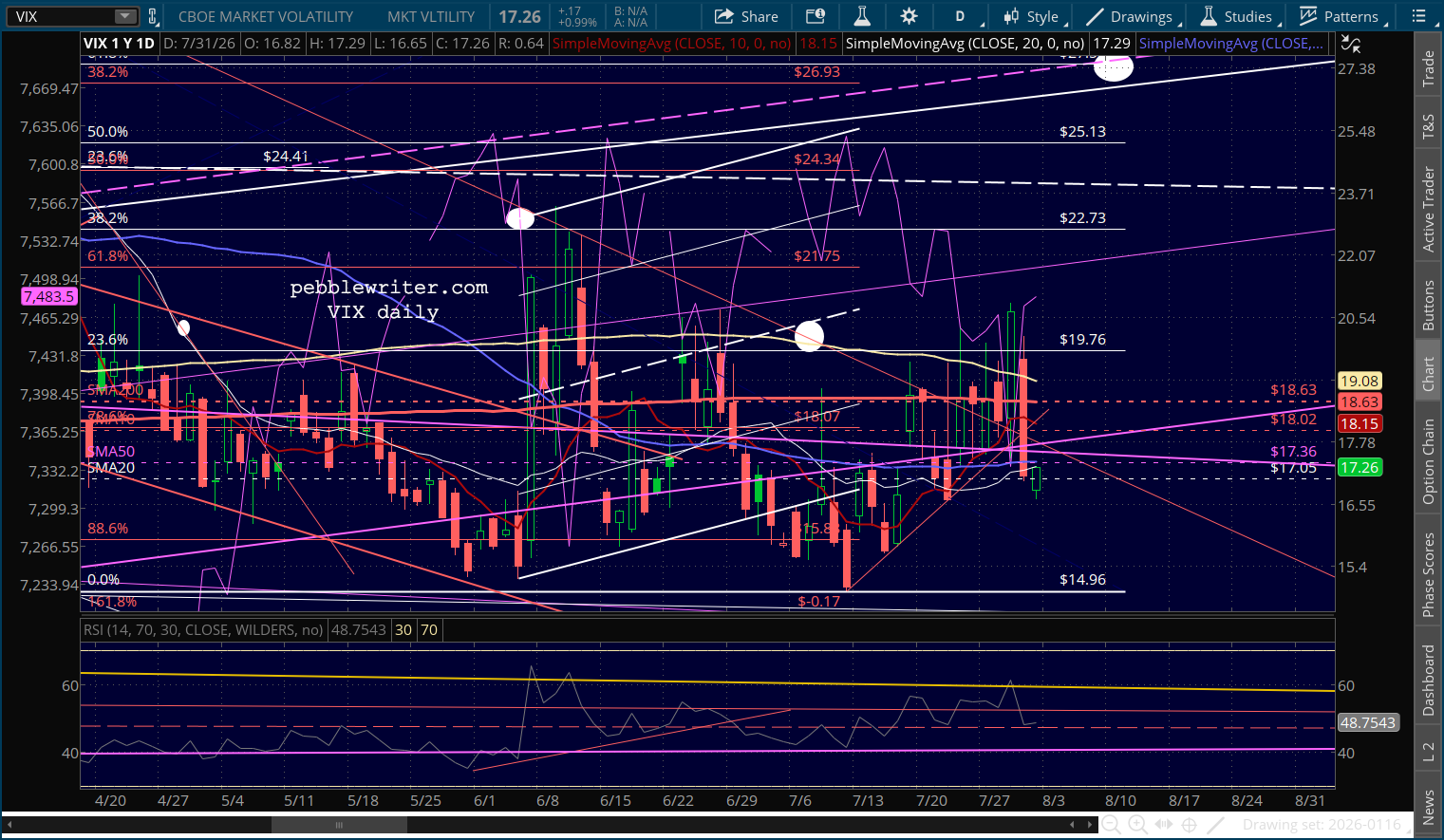
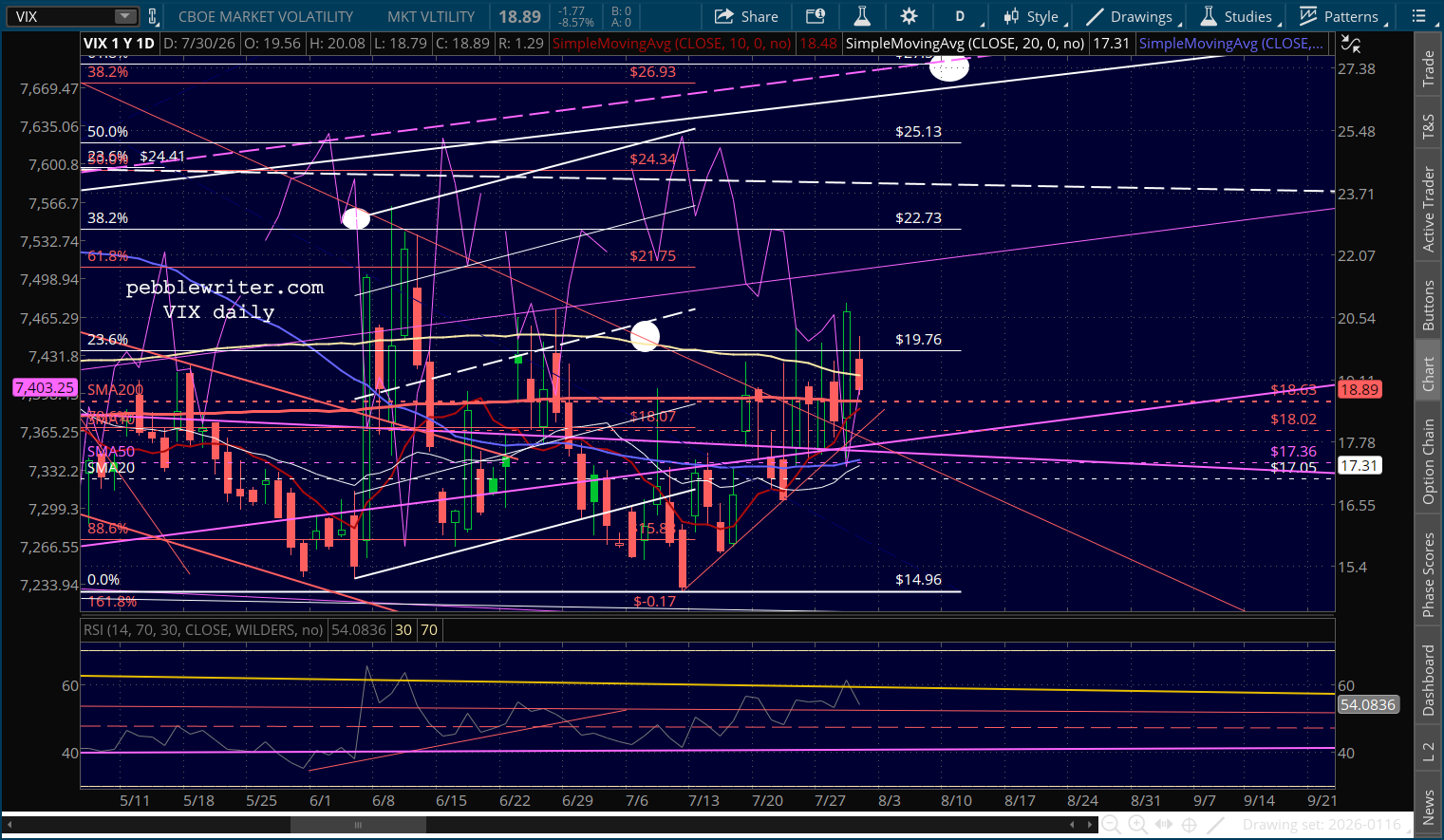
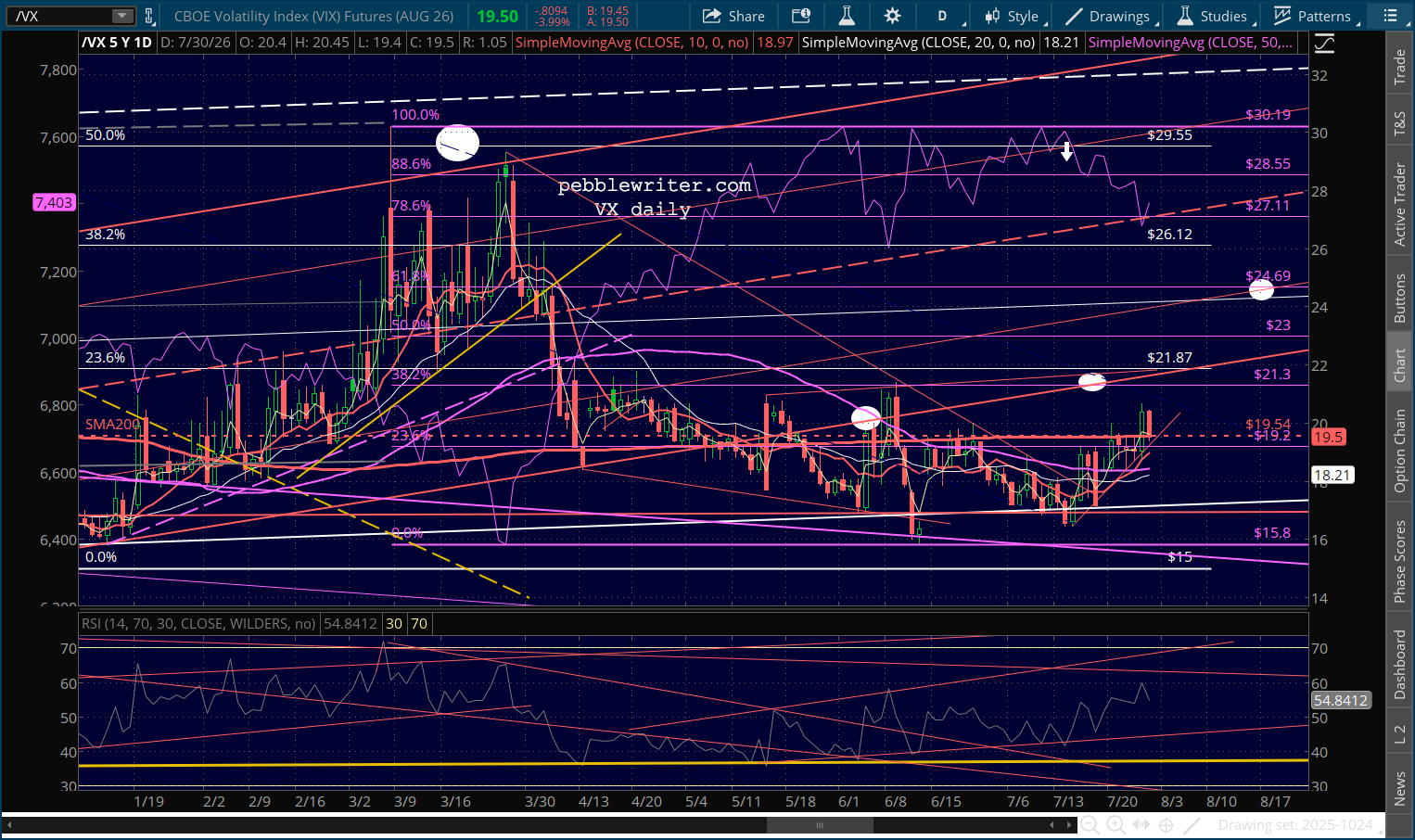
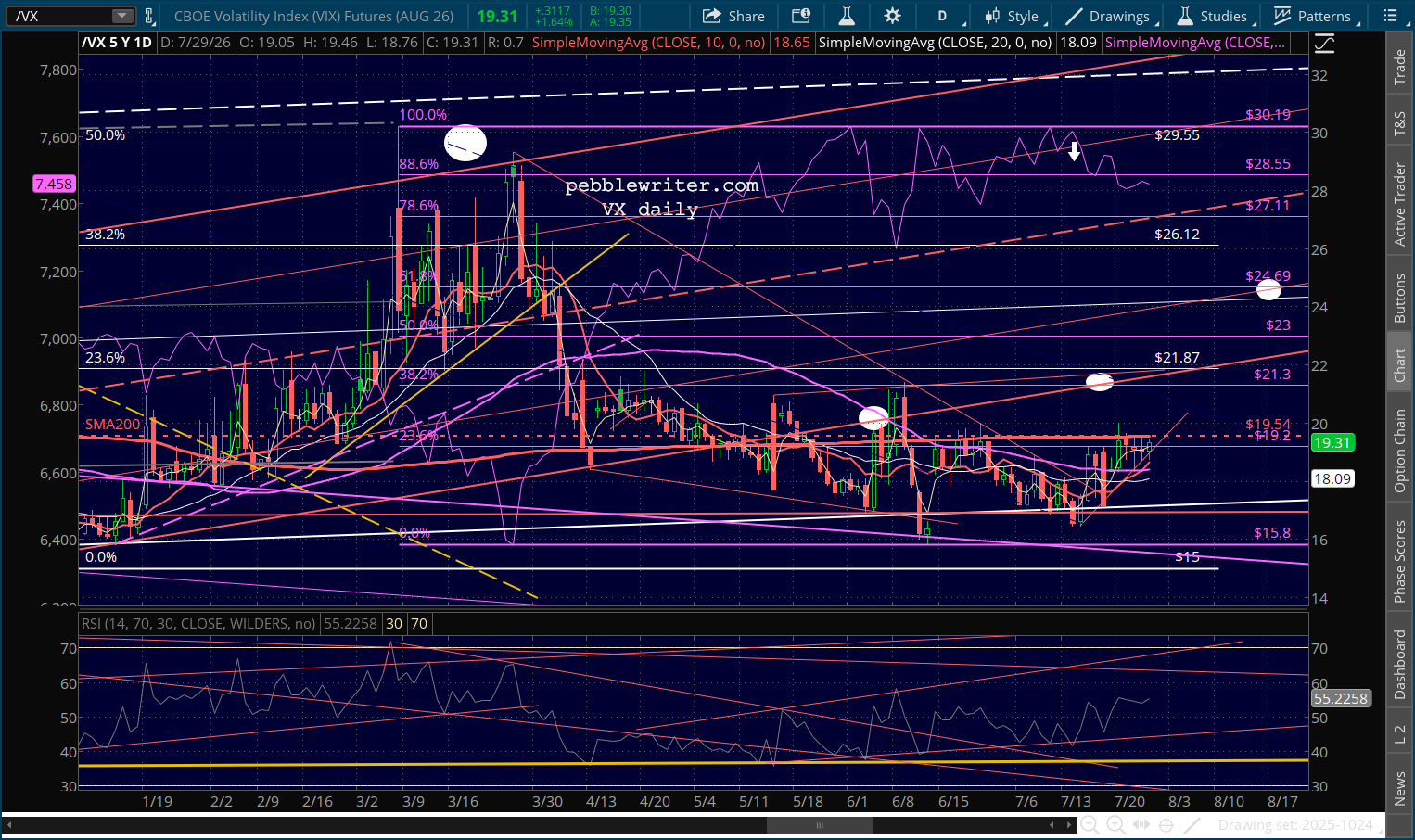
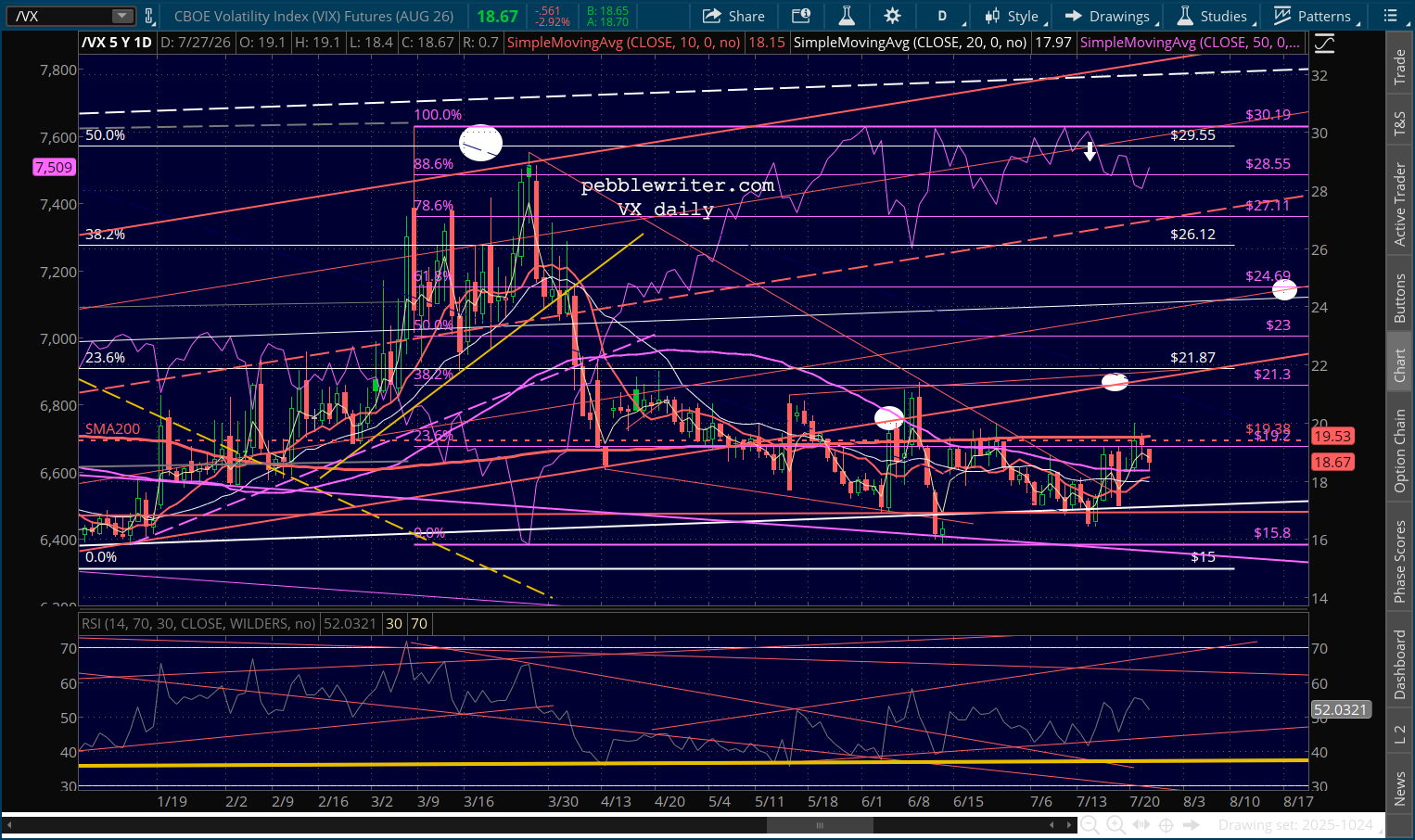
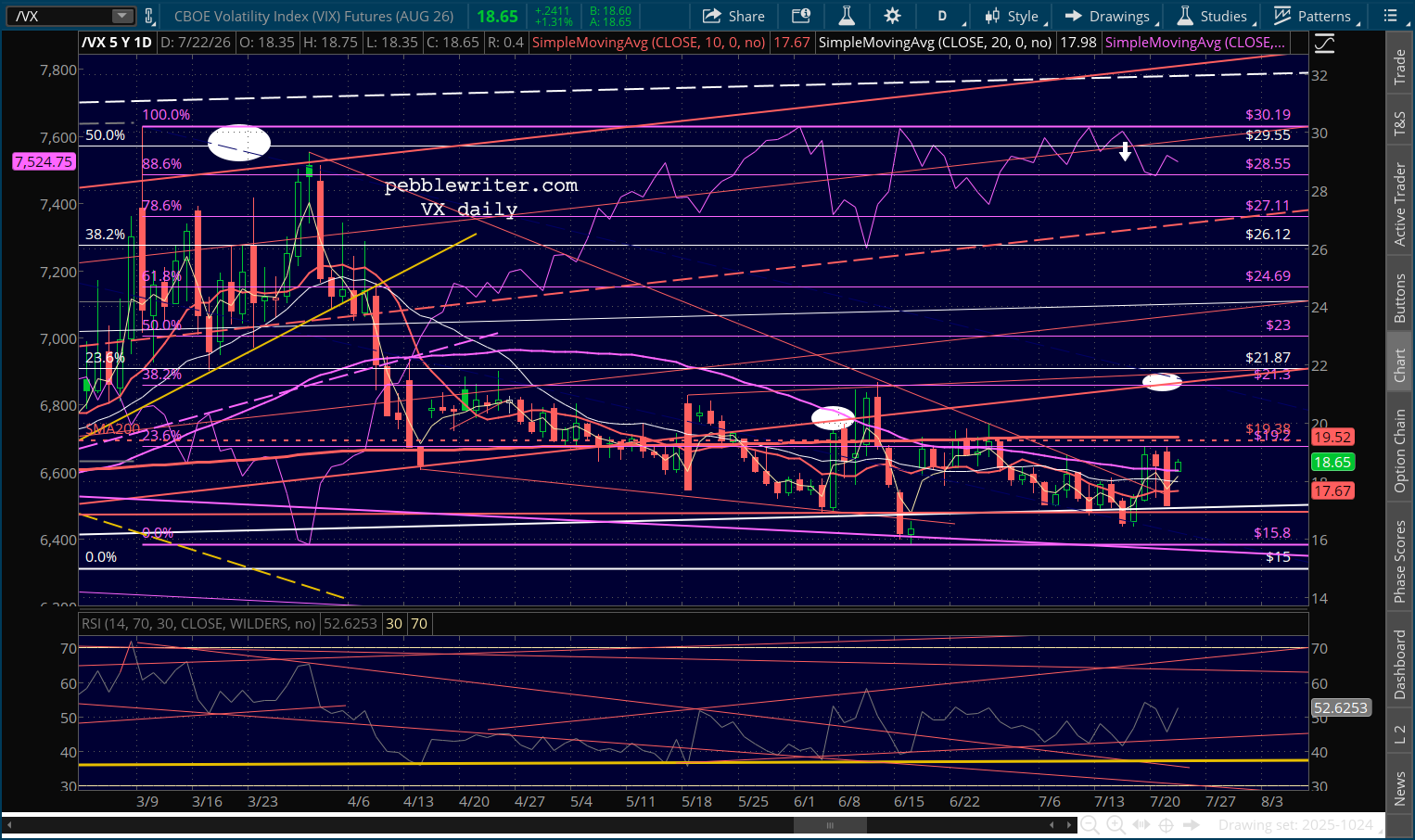
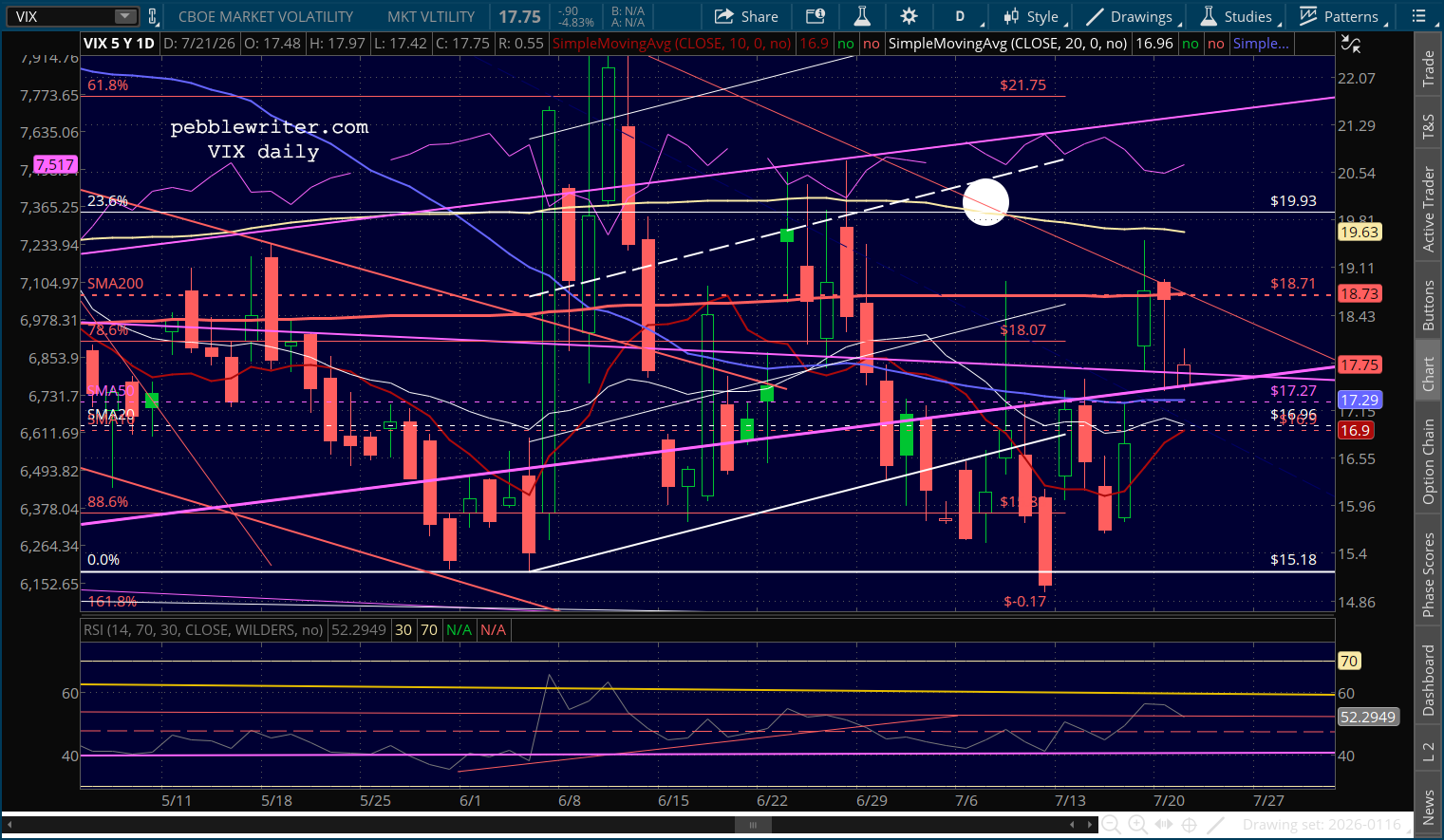
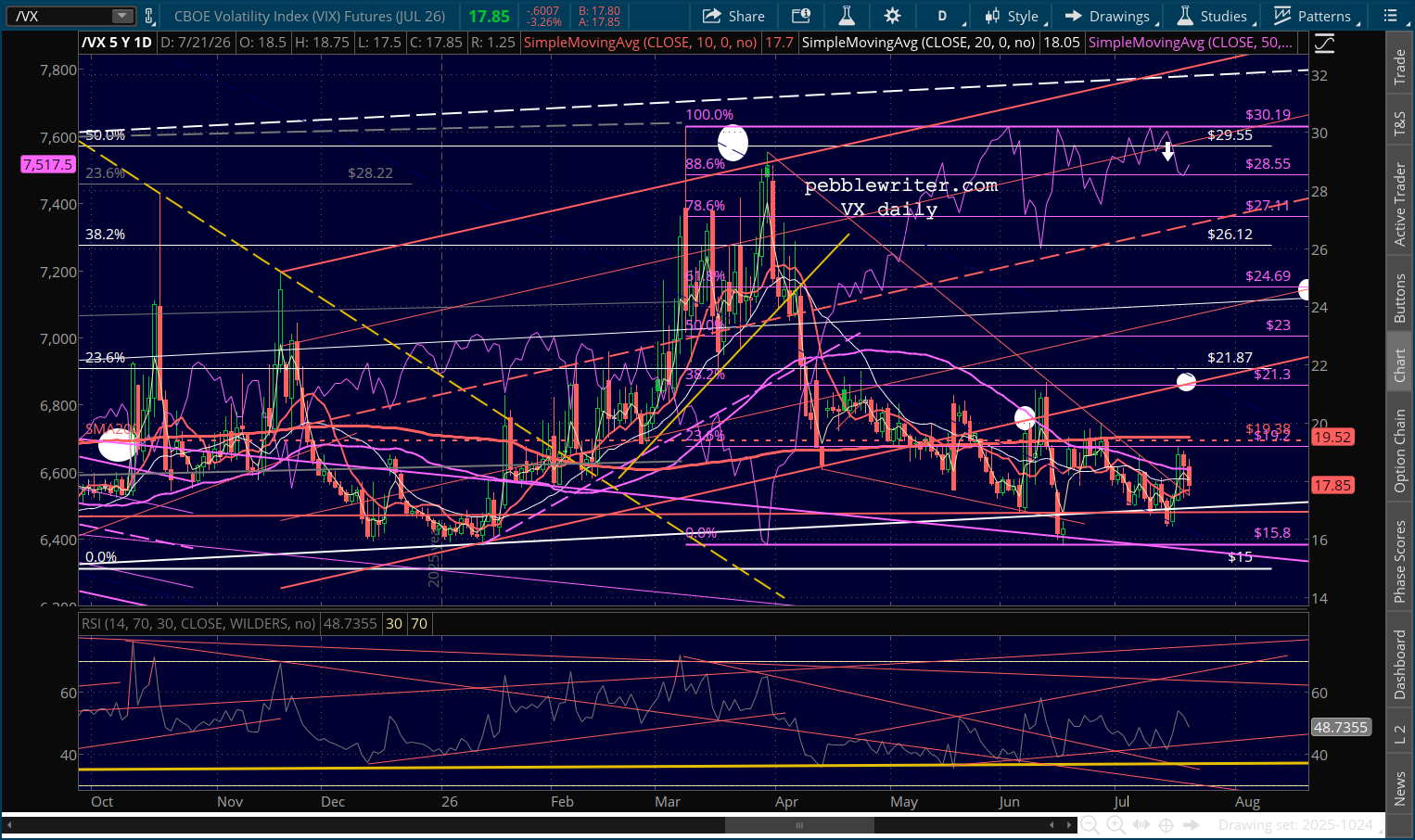
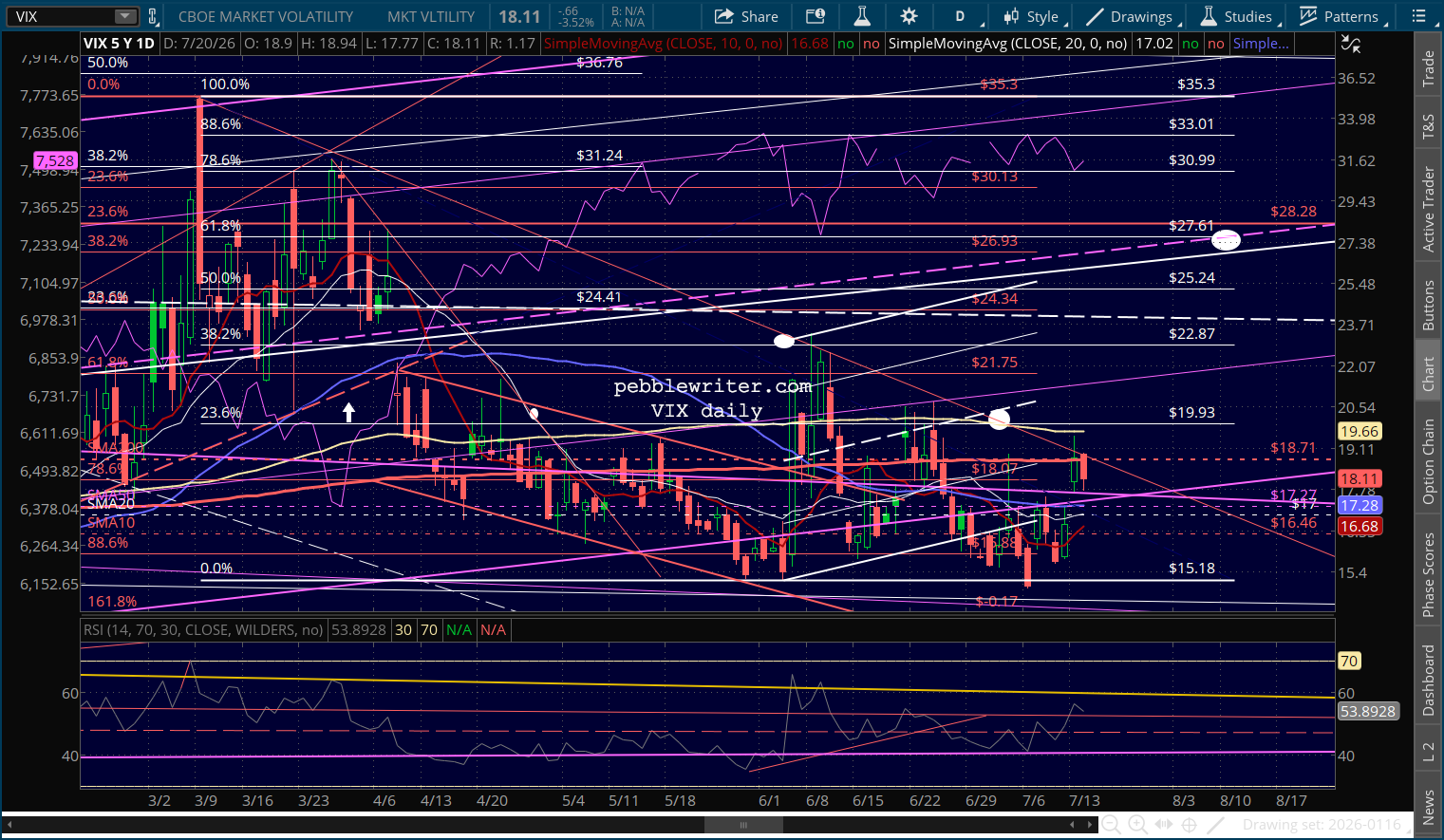
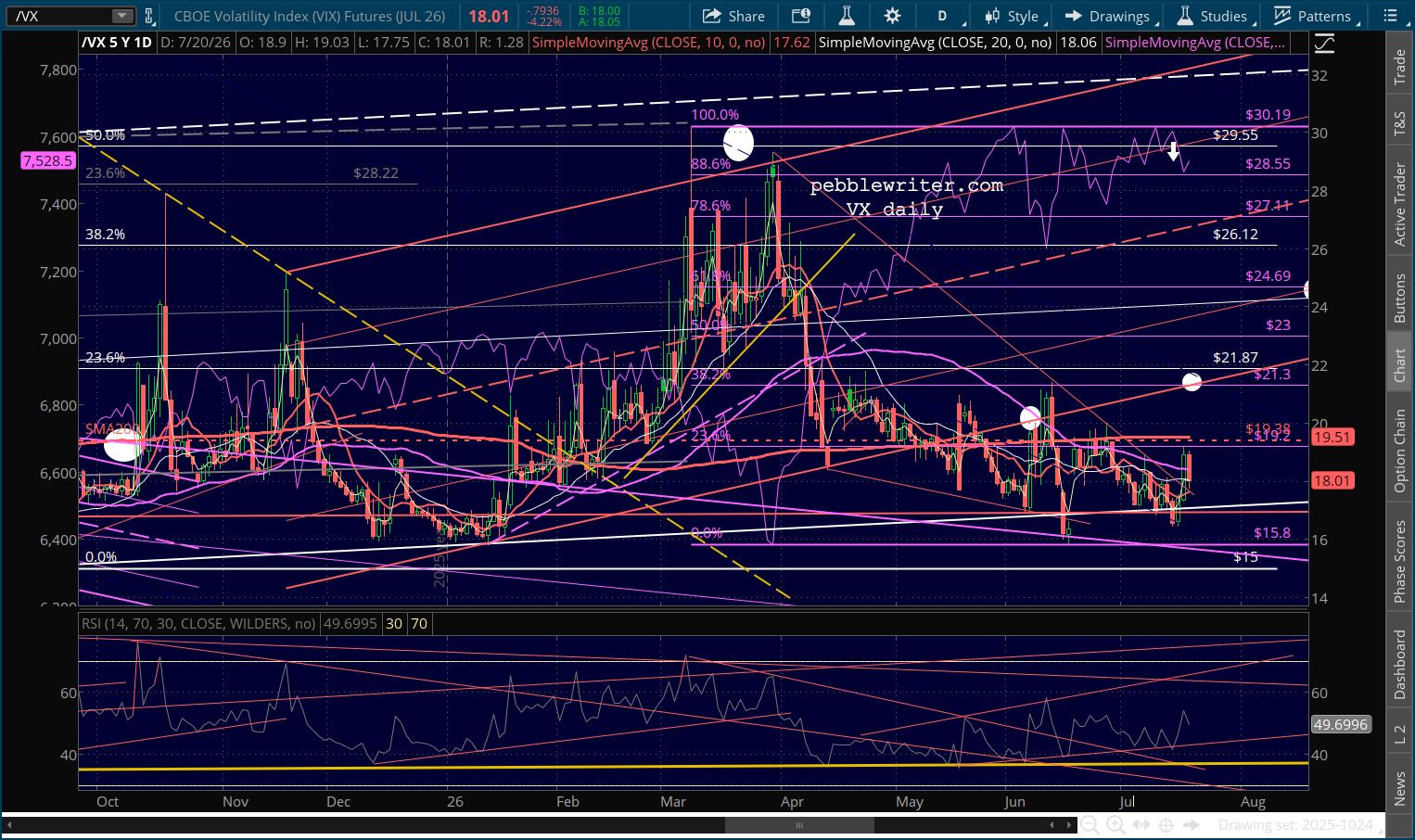
    VX is still broken out, but has yet to top last week’s highs.

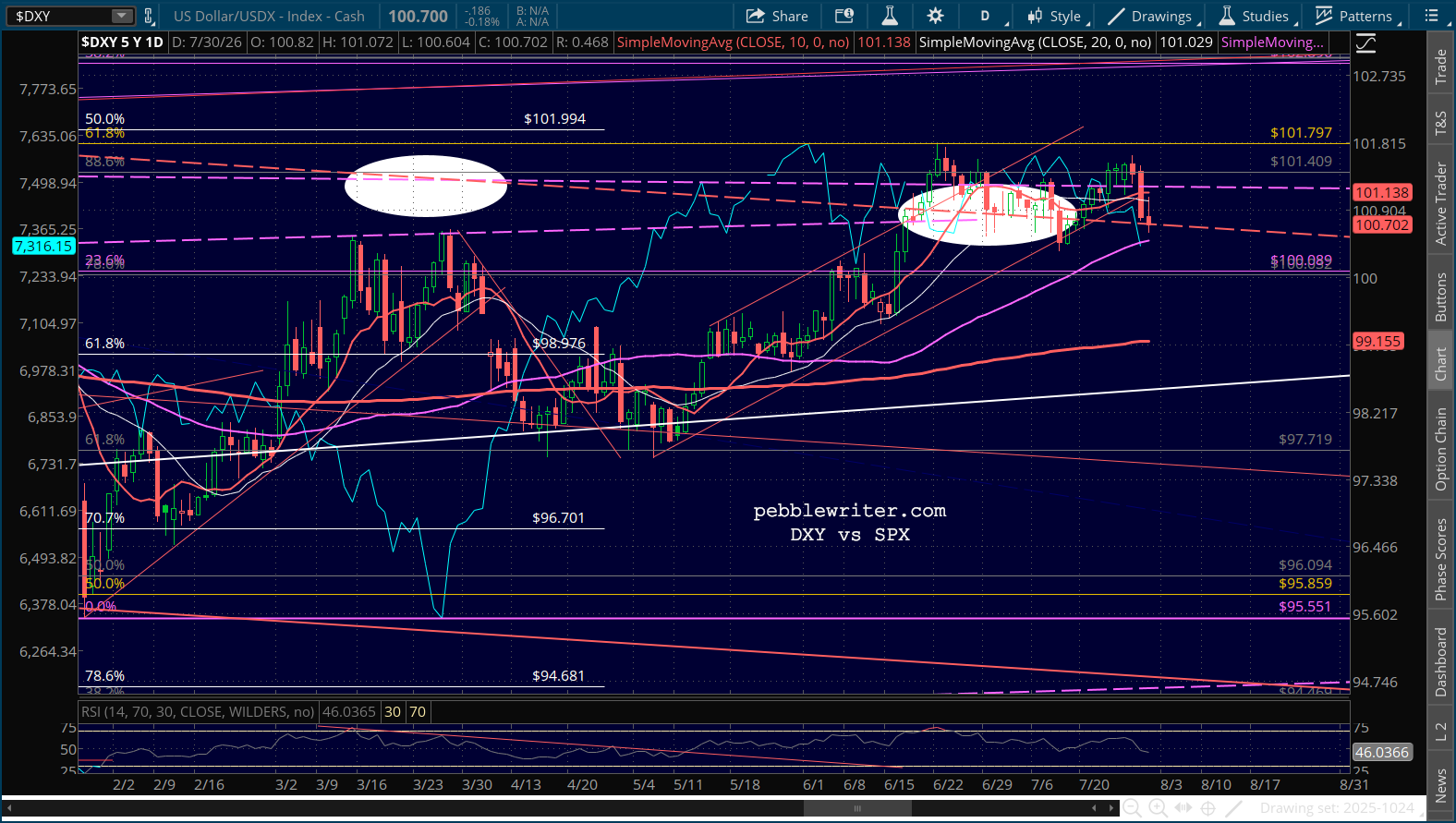
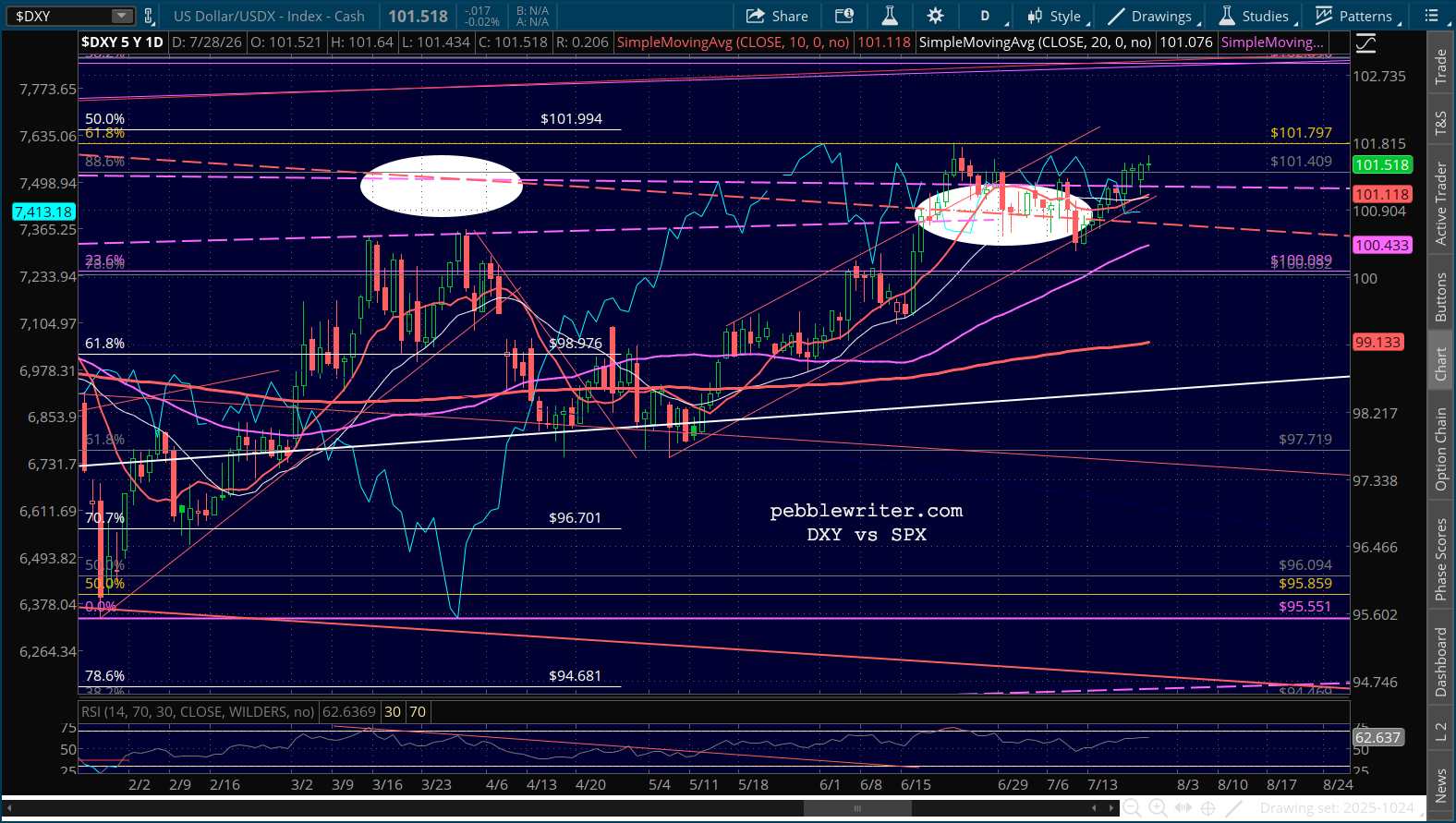
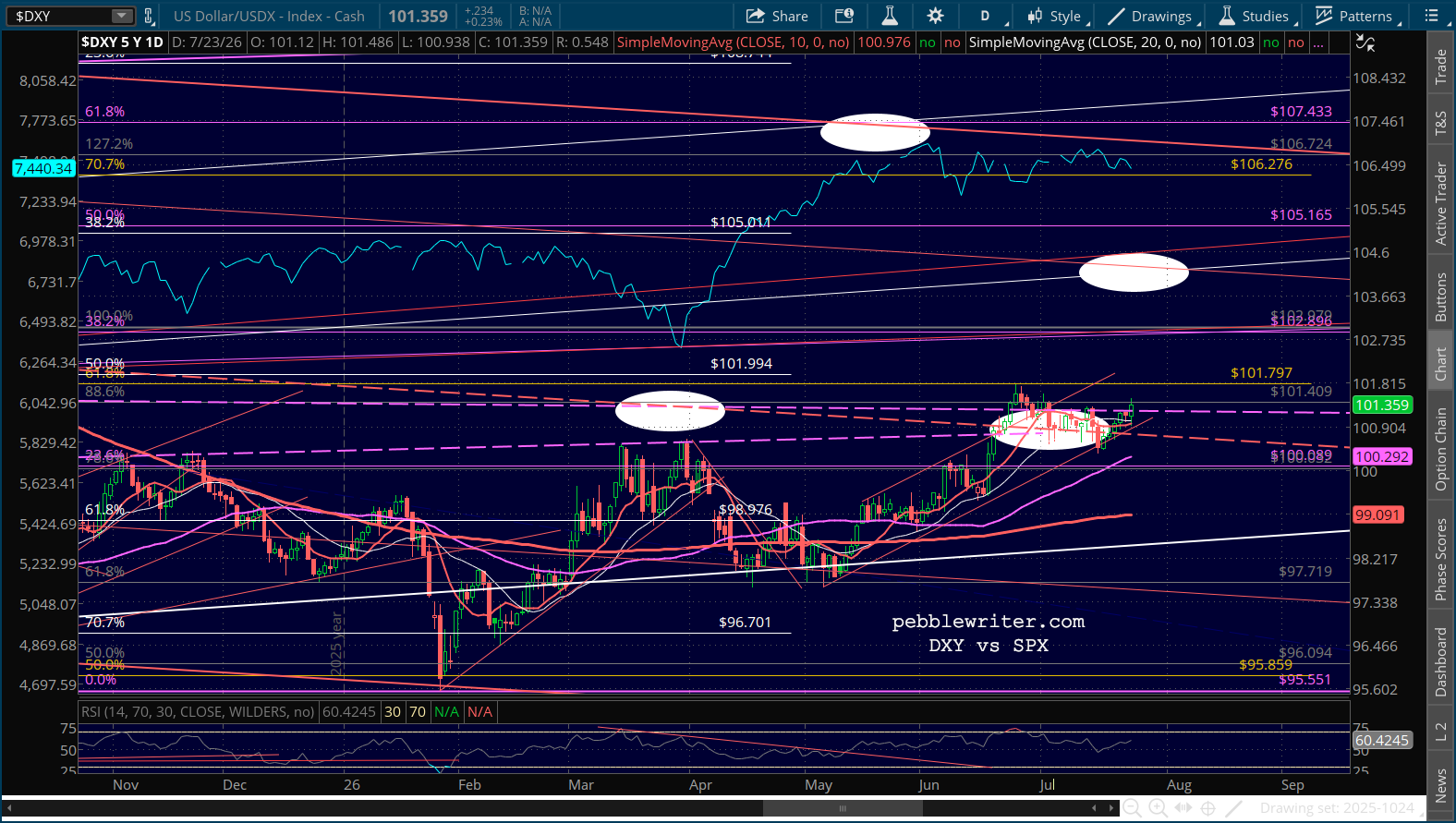
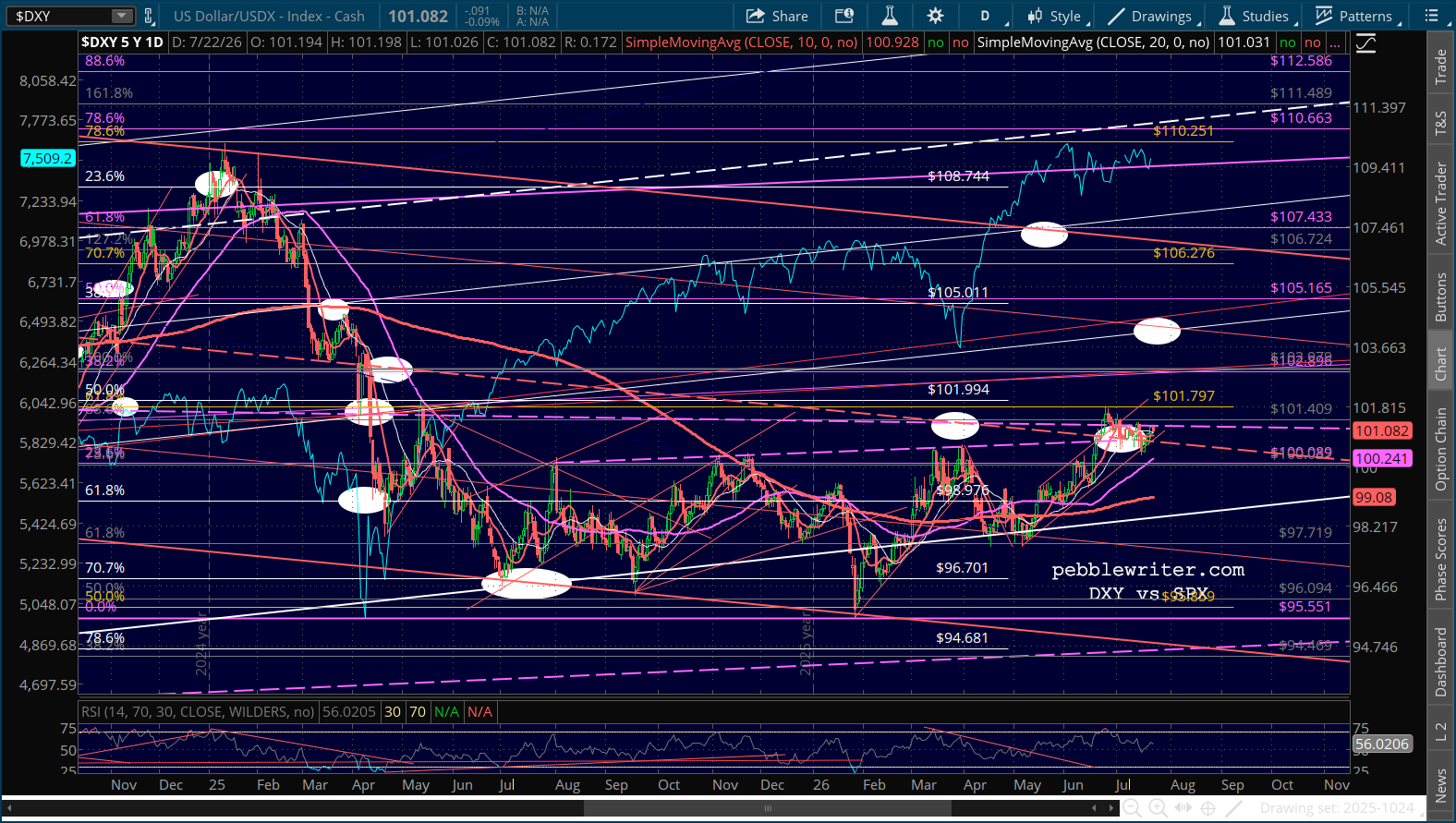
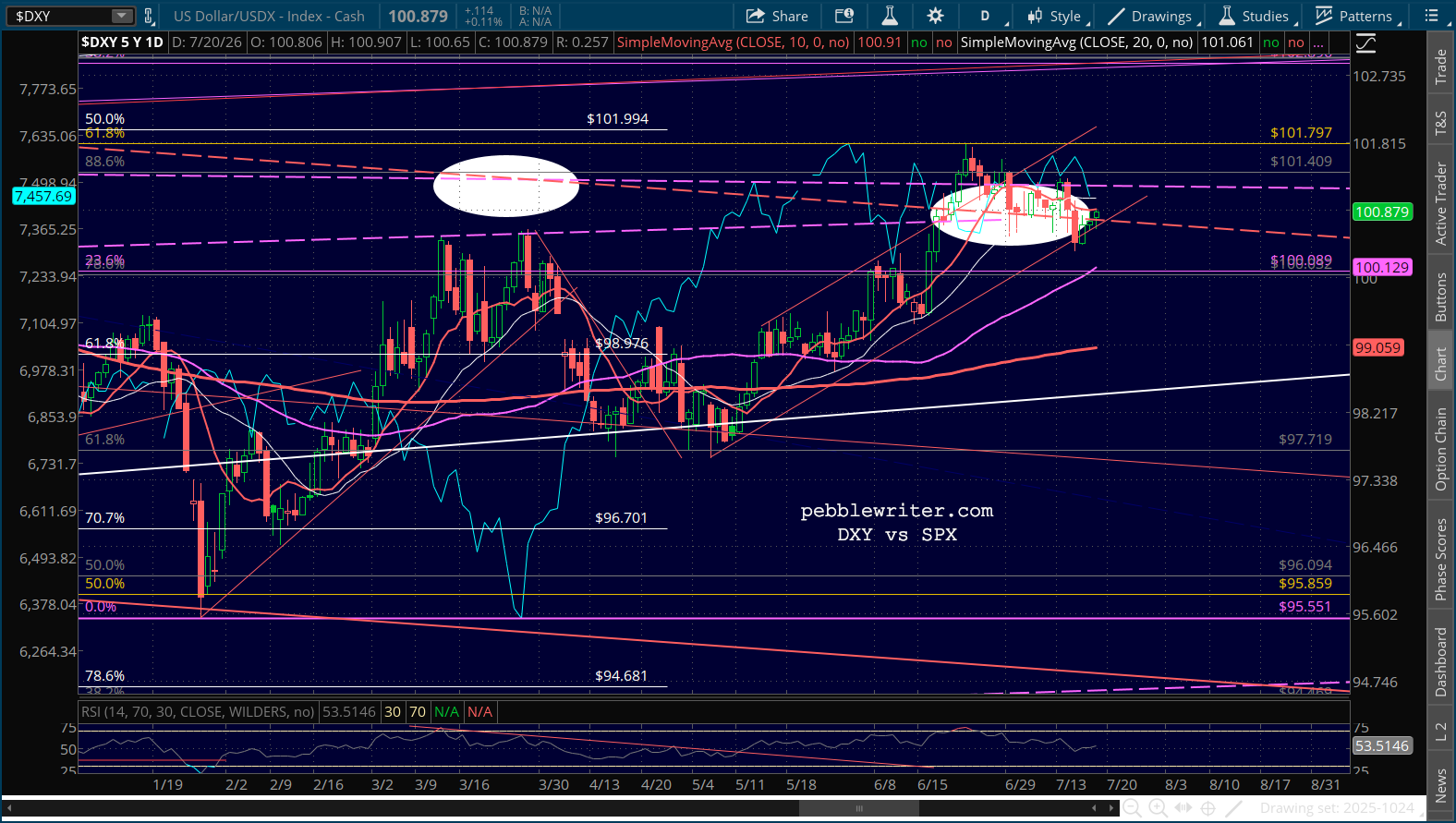
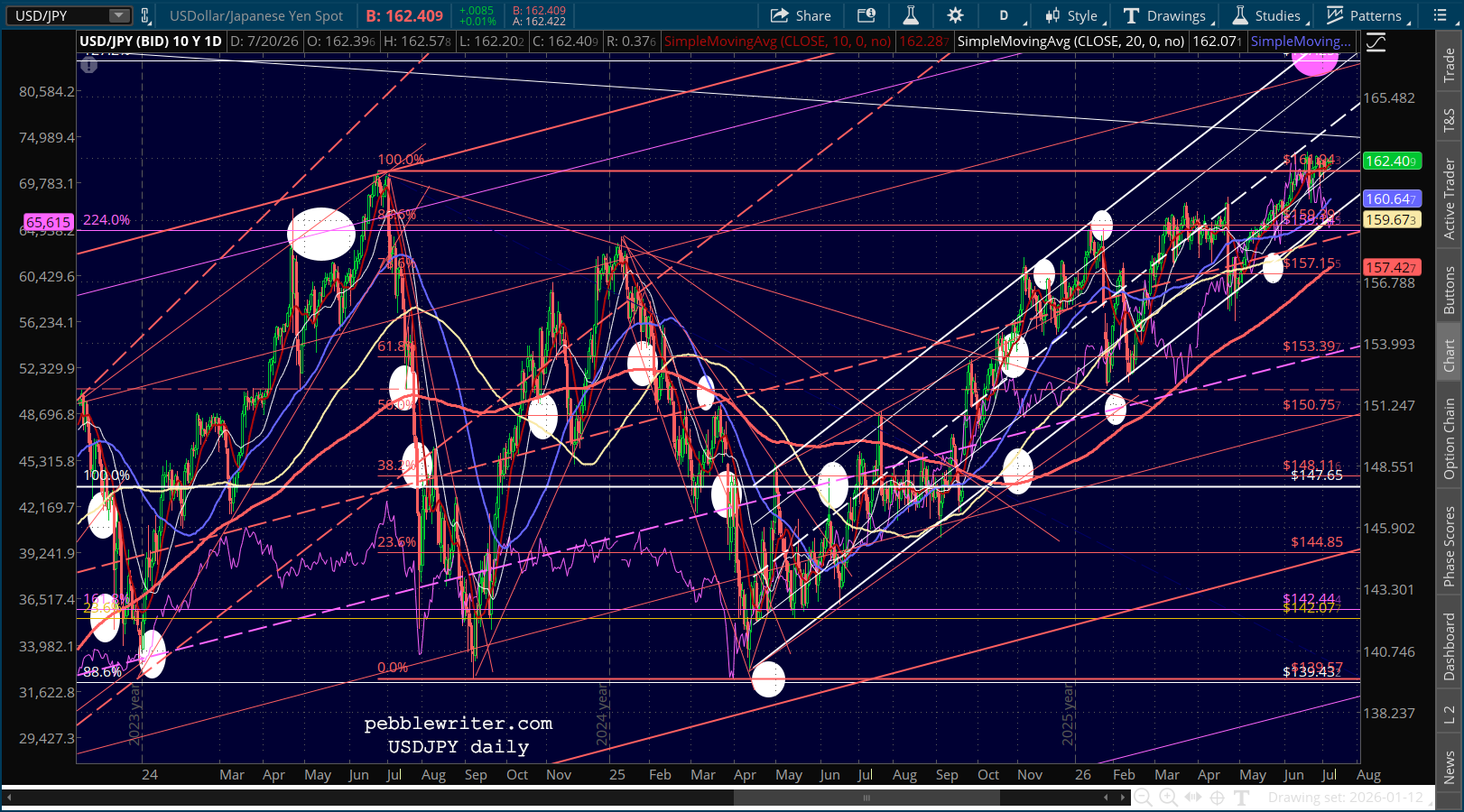
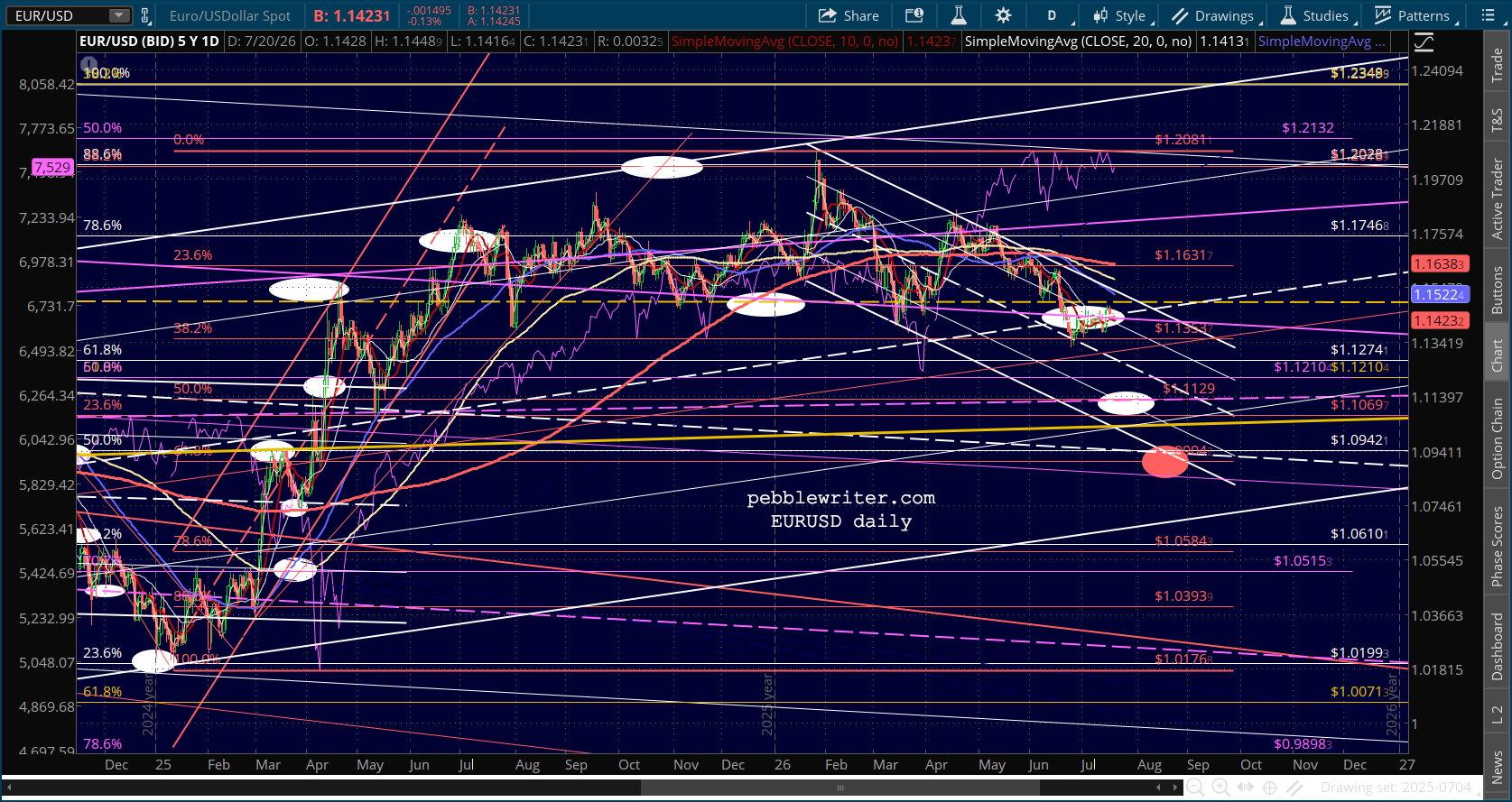
    The USD is still consolidating against both the euro and the yen…


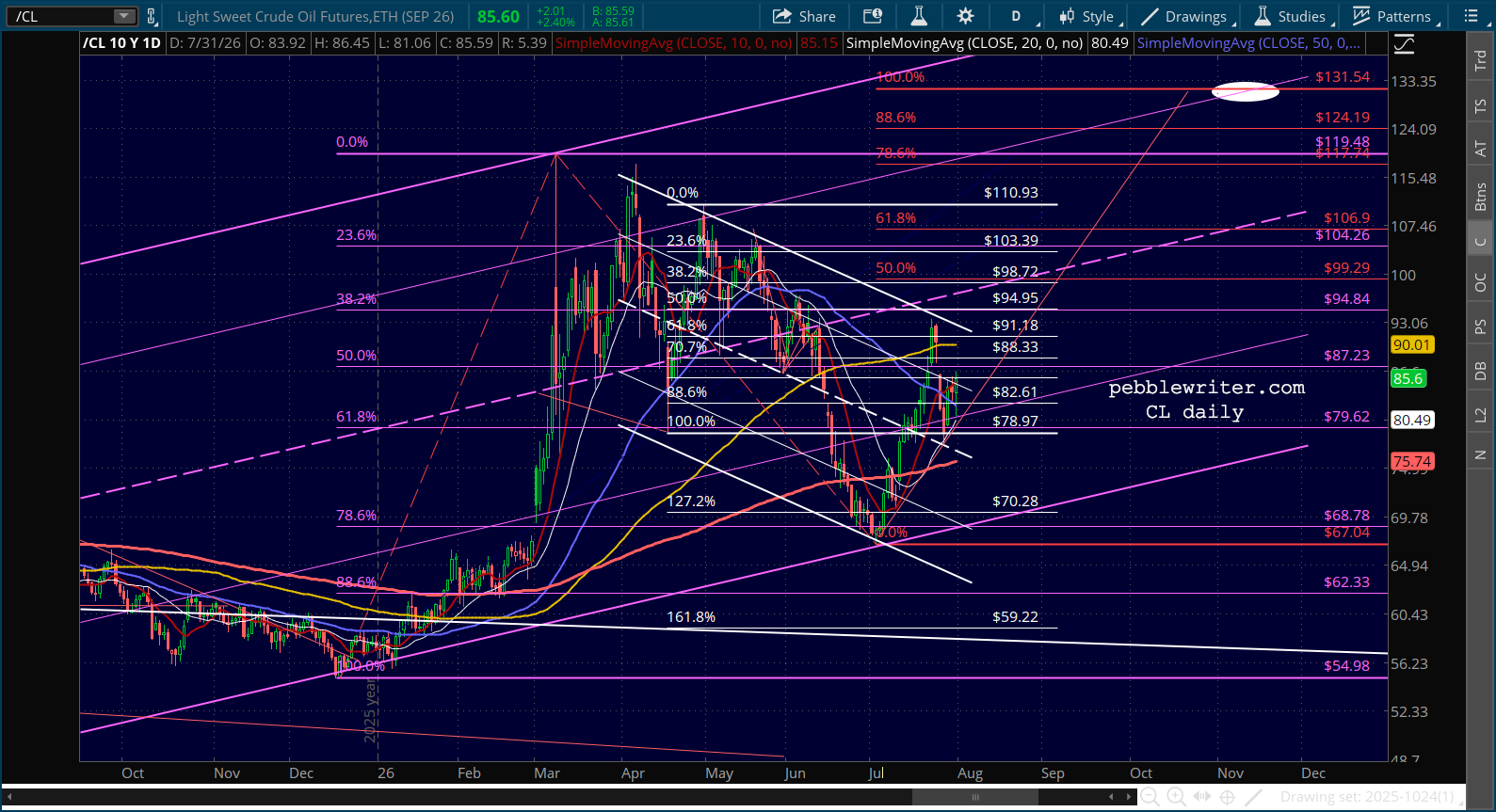
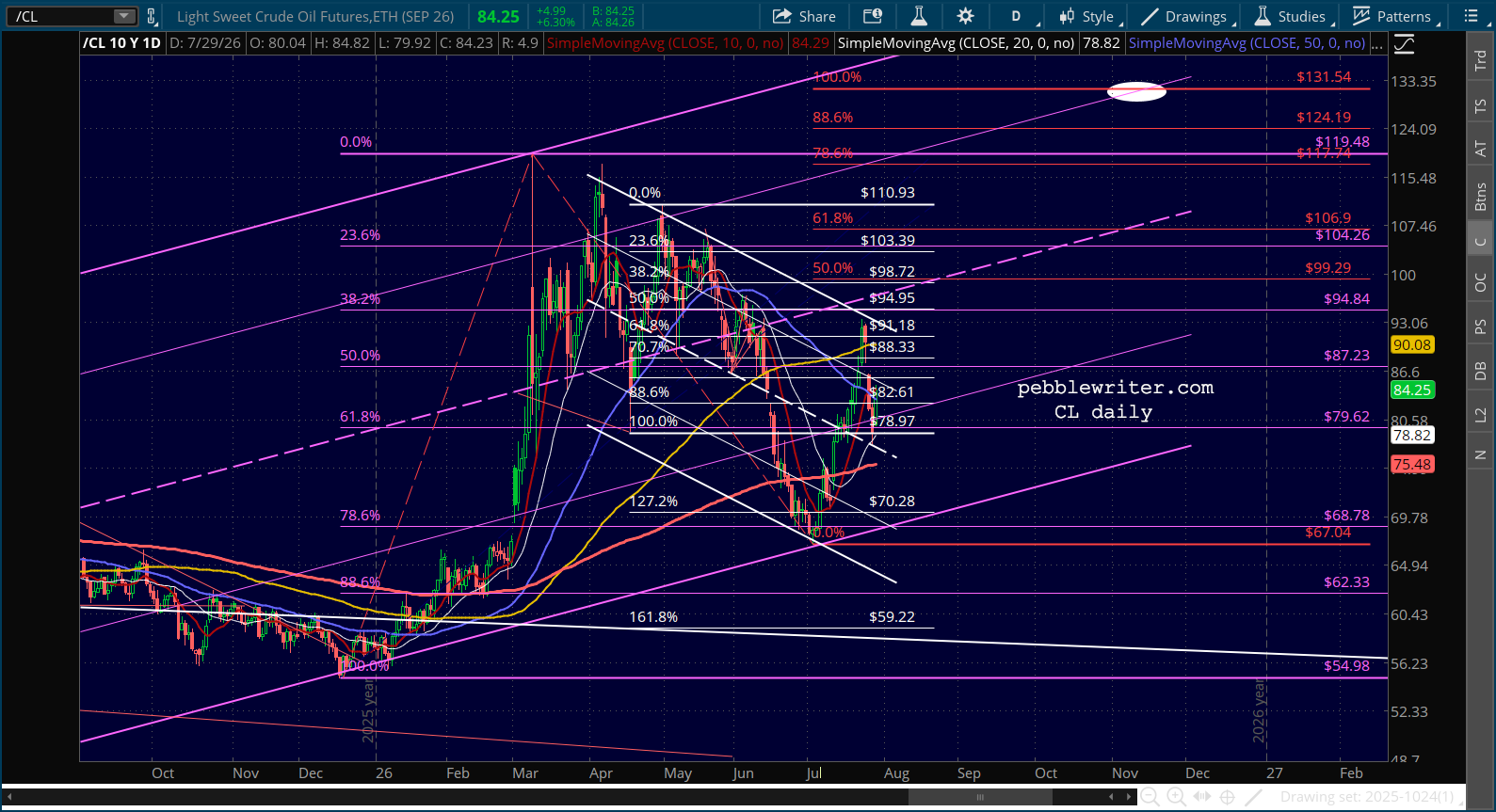
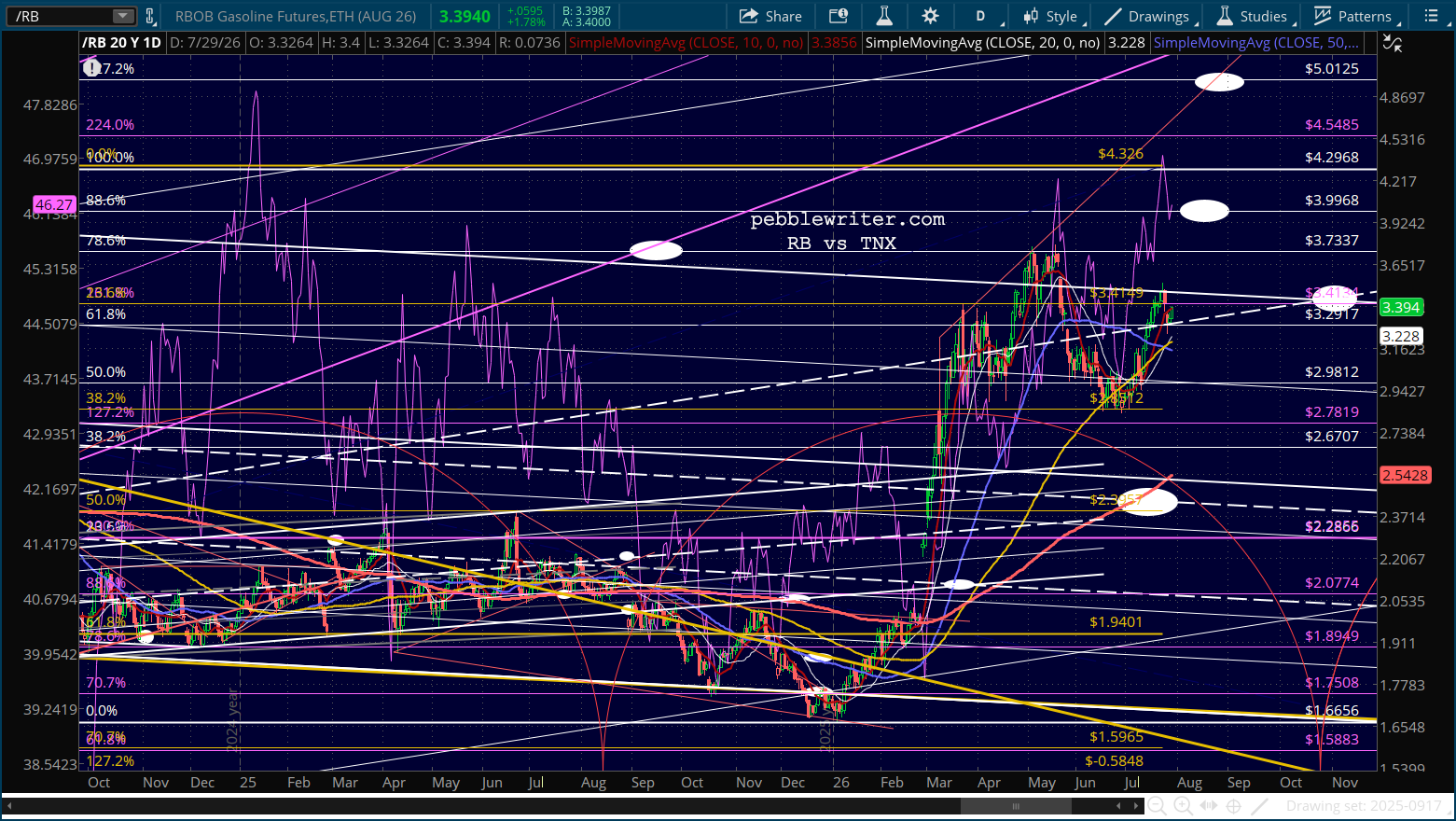
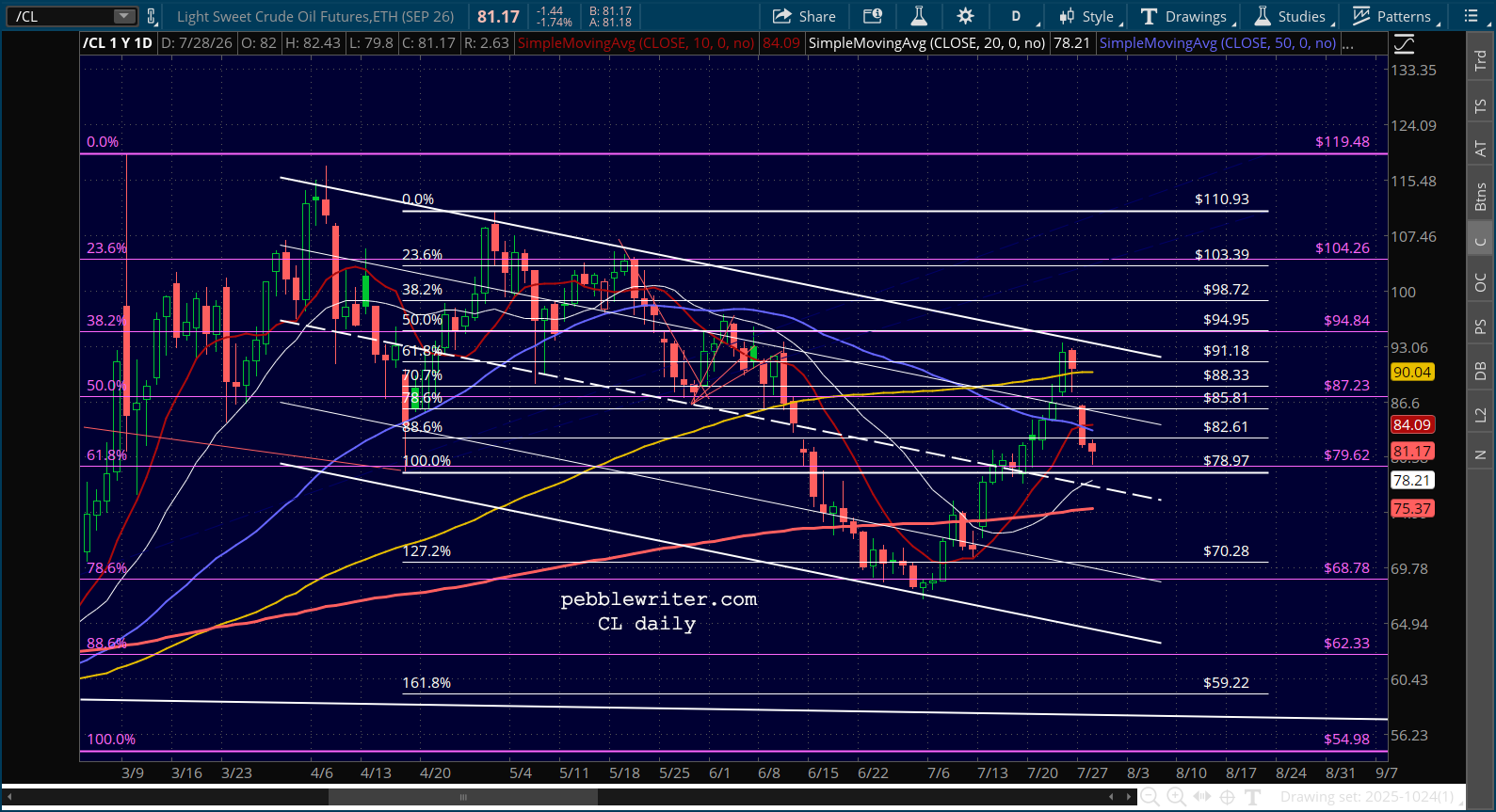
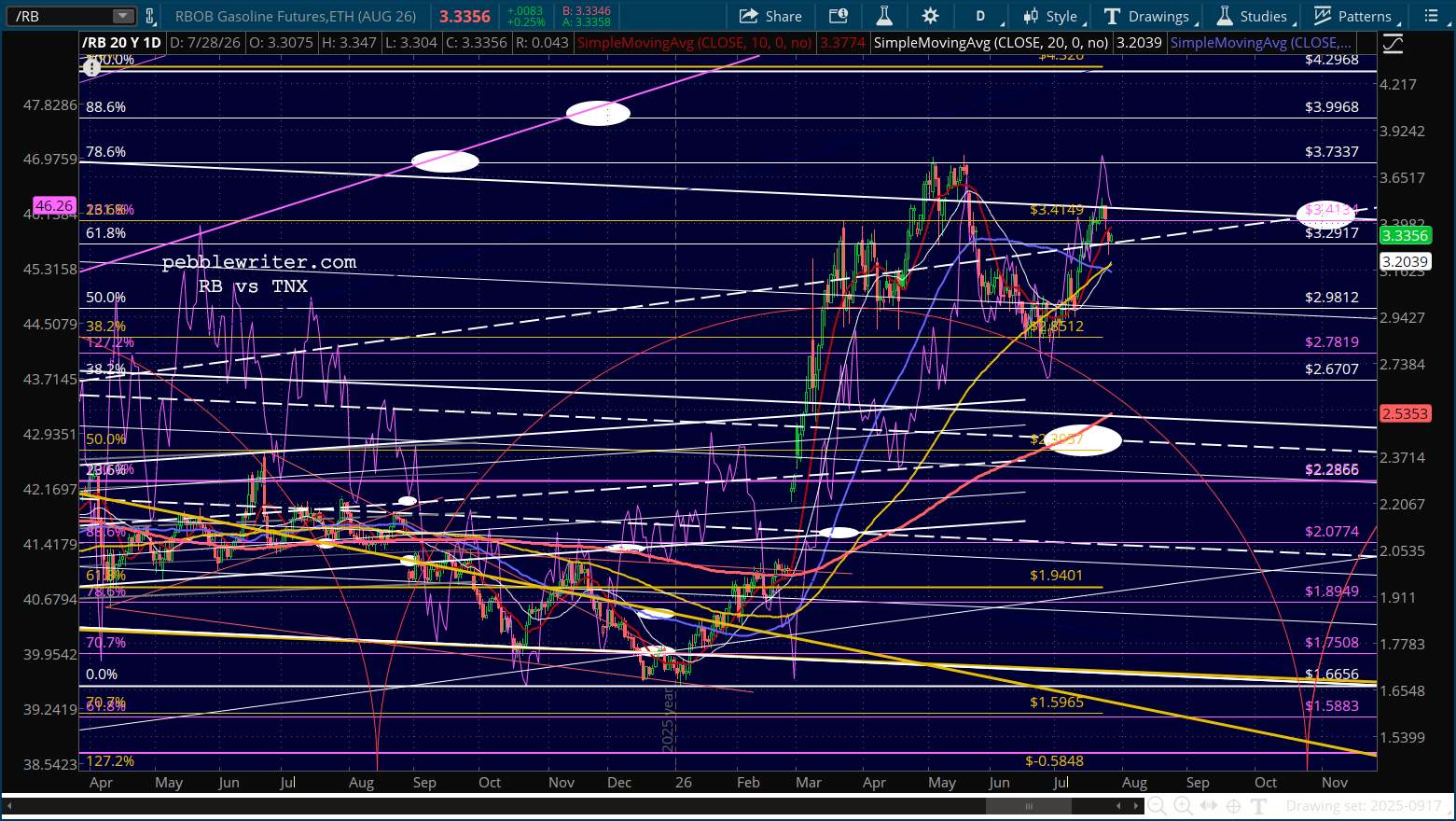
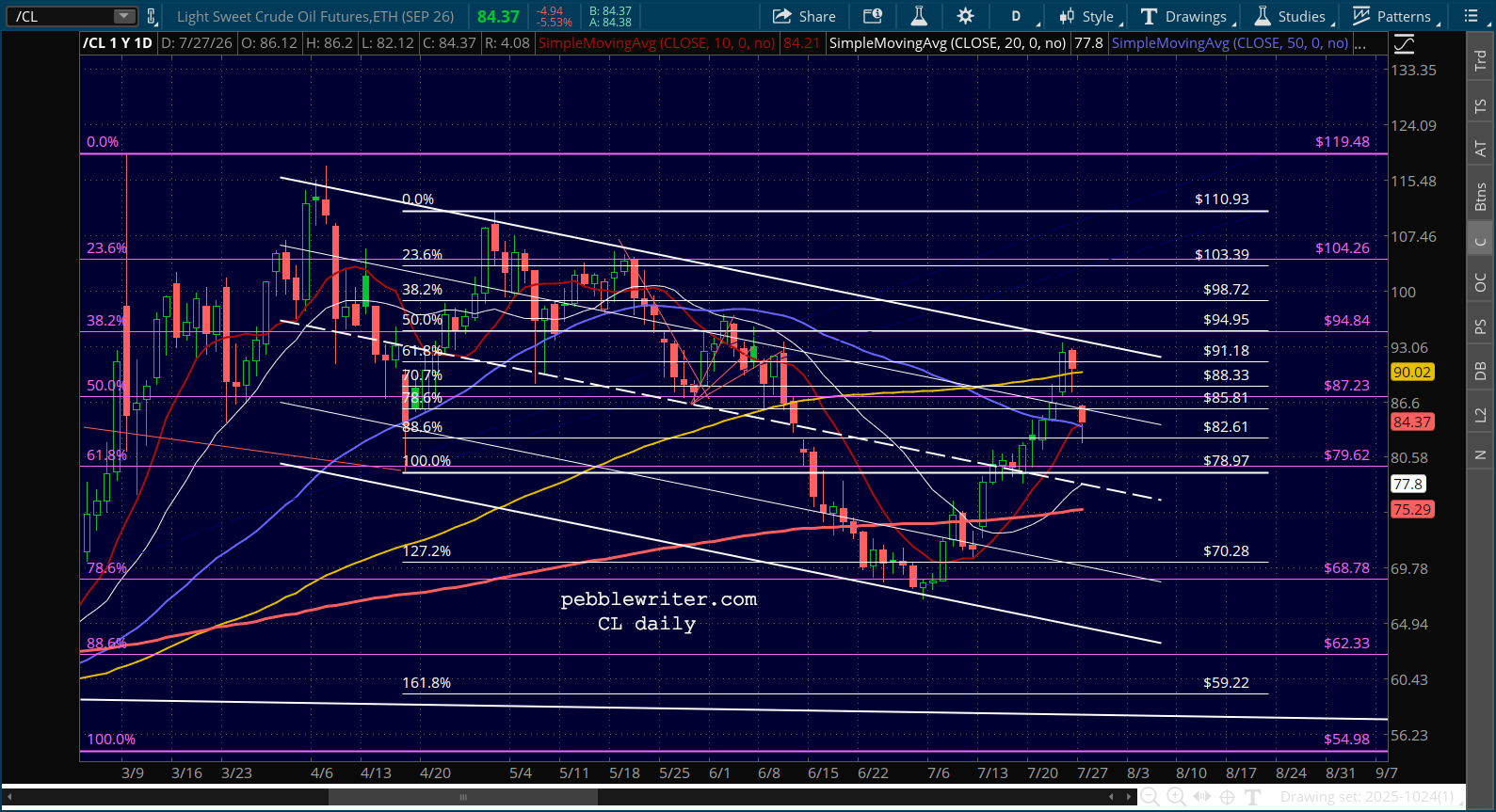
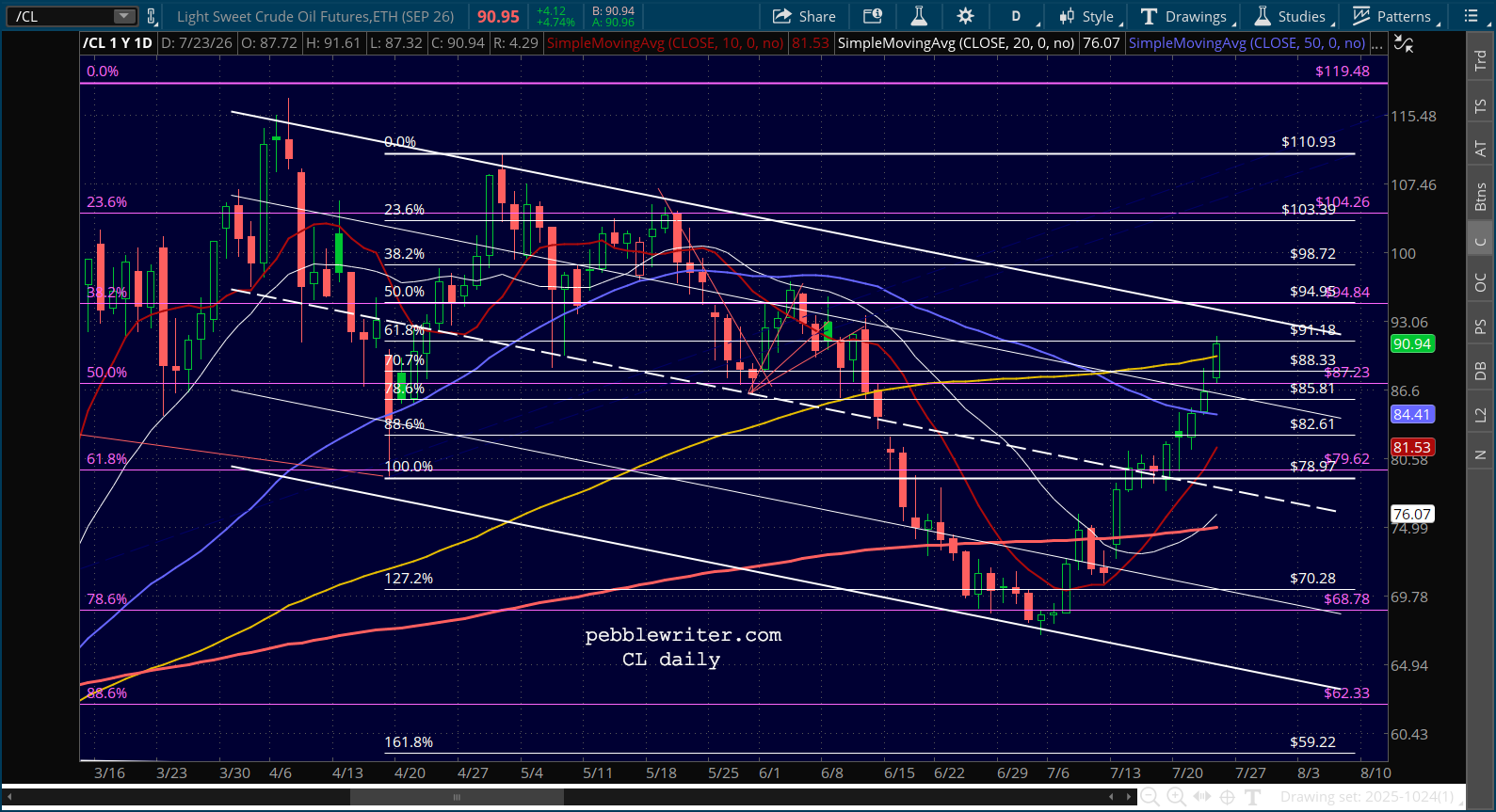
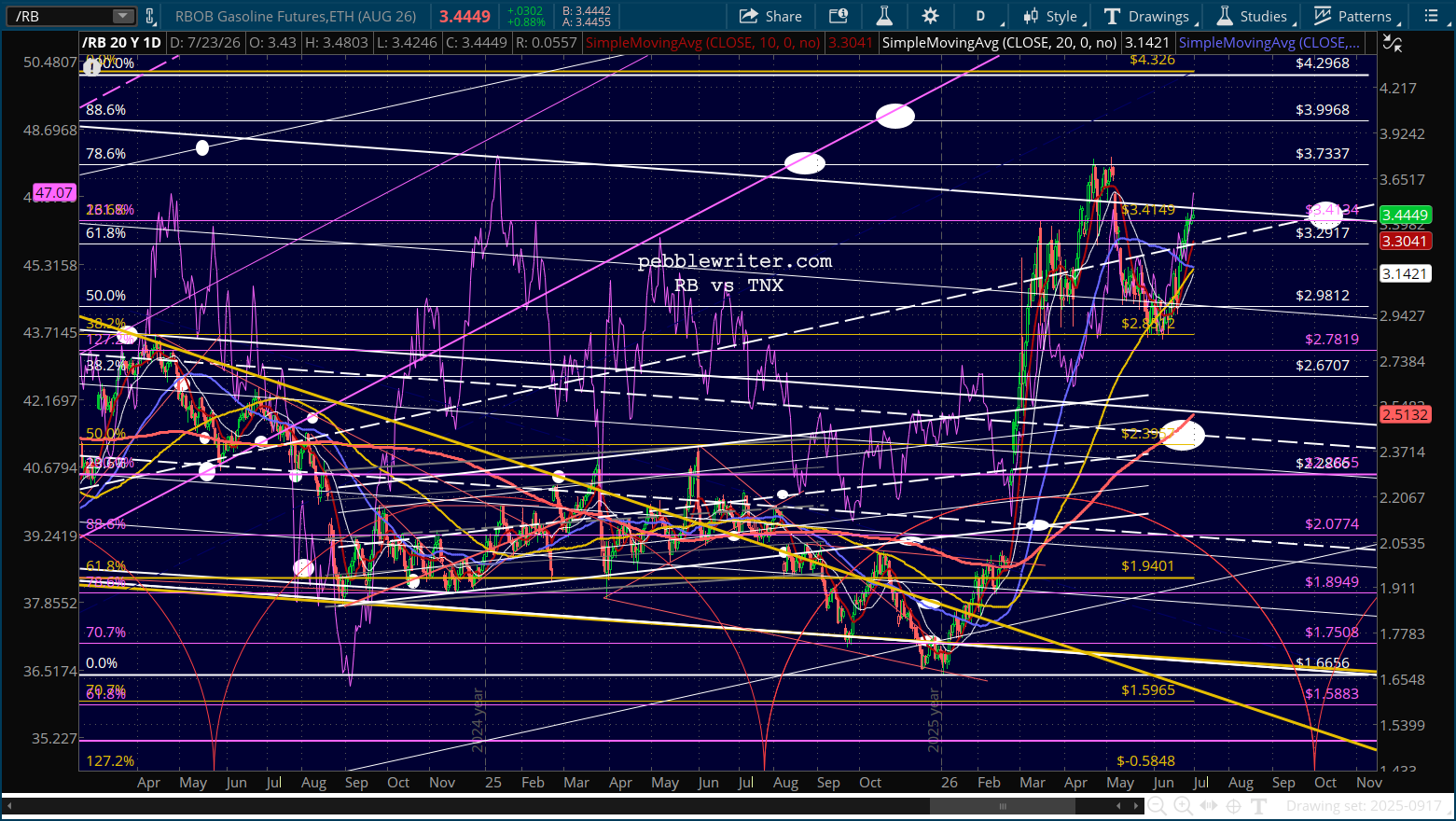
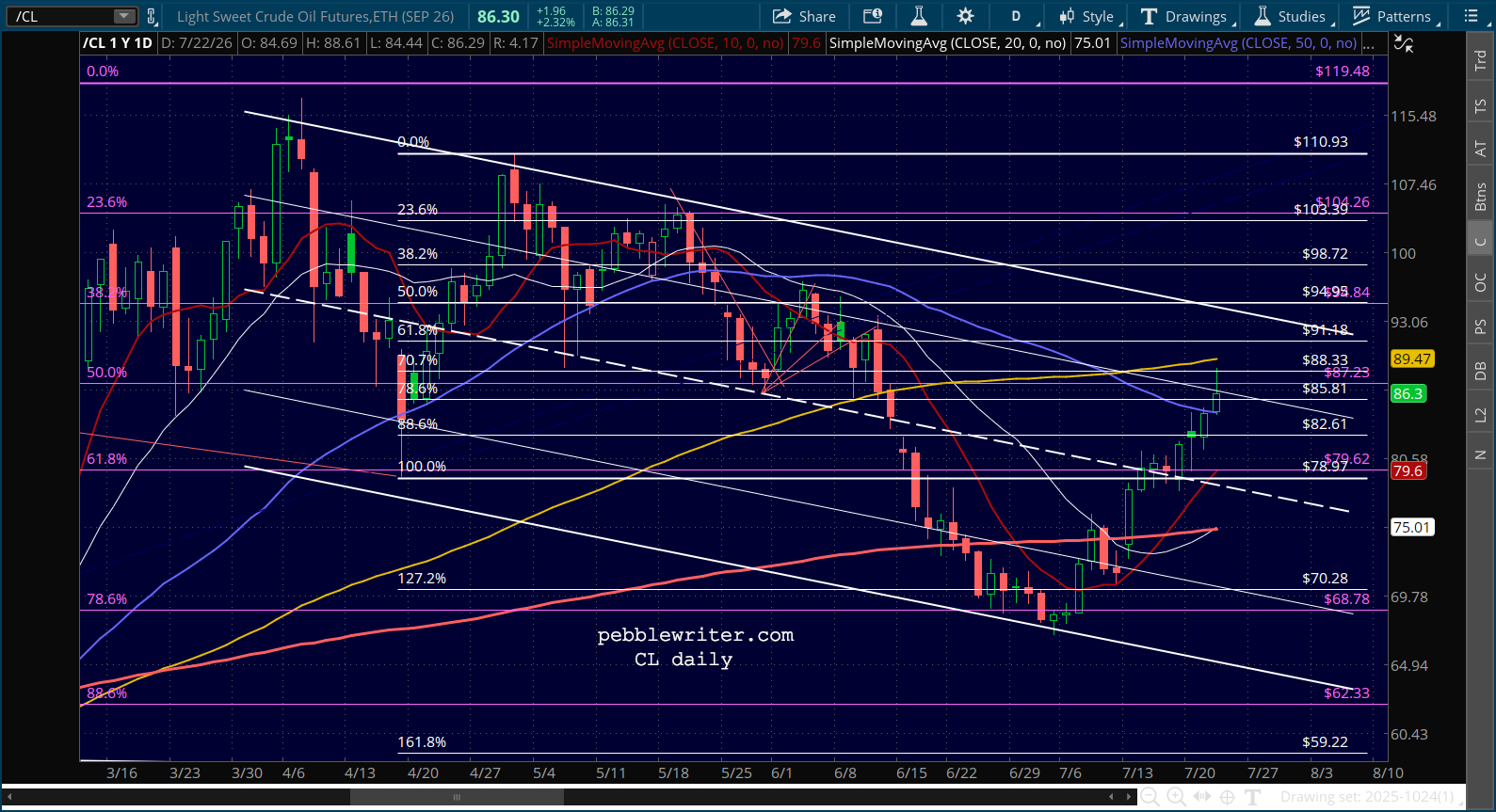
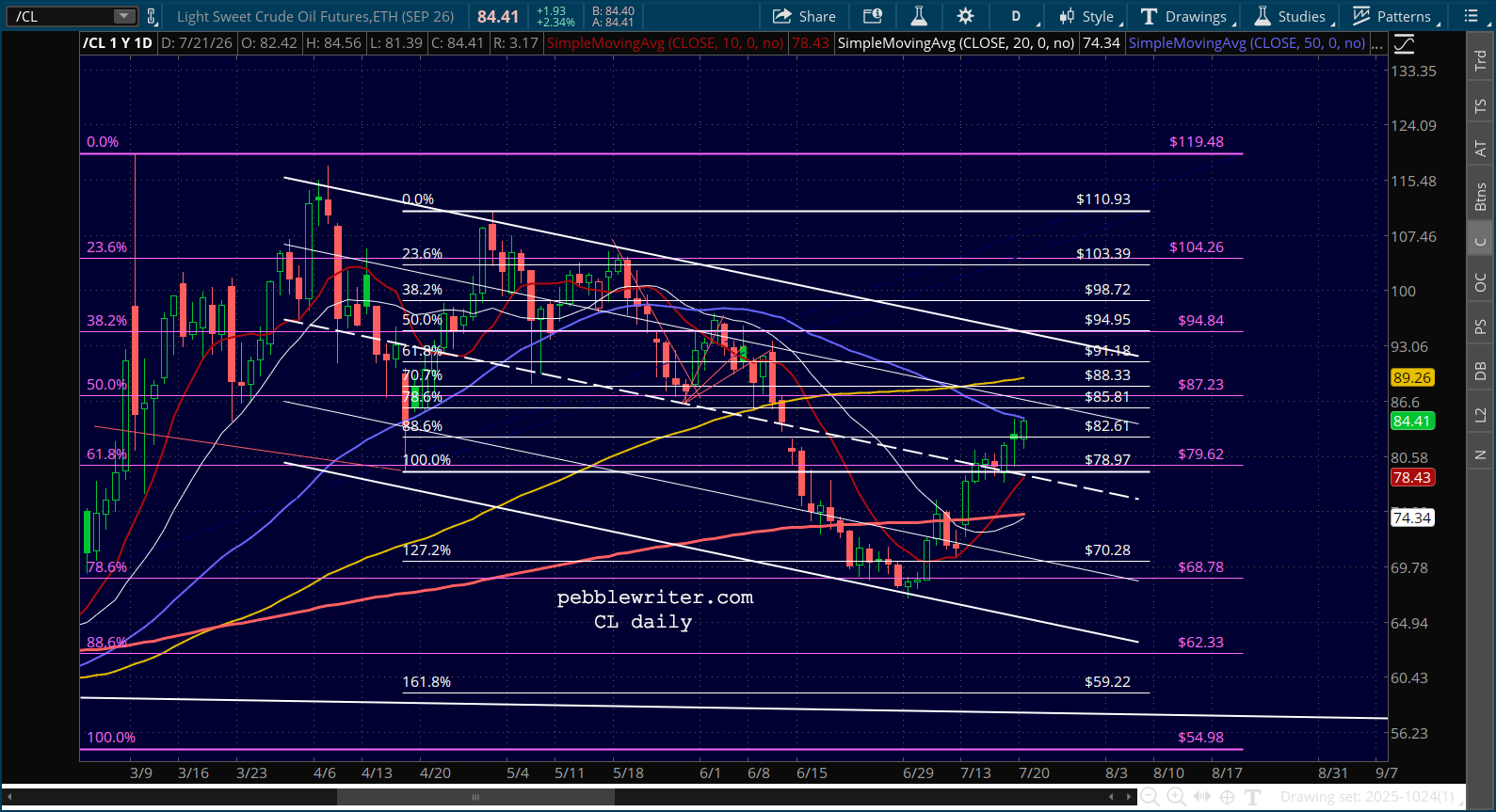
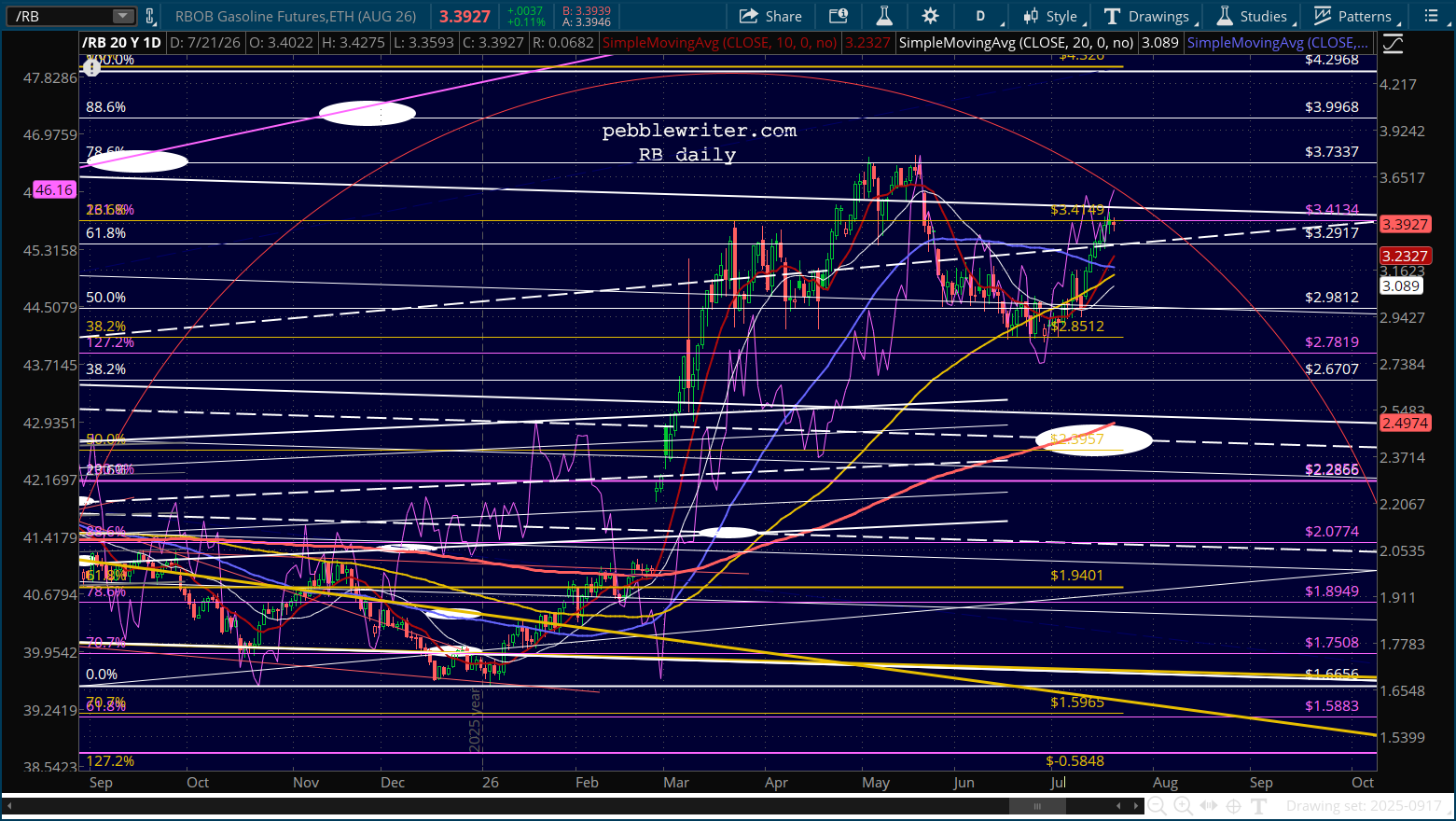
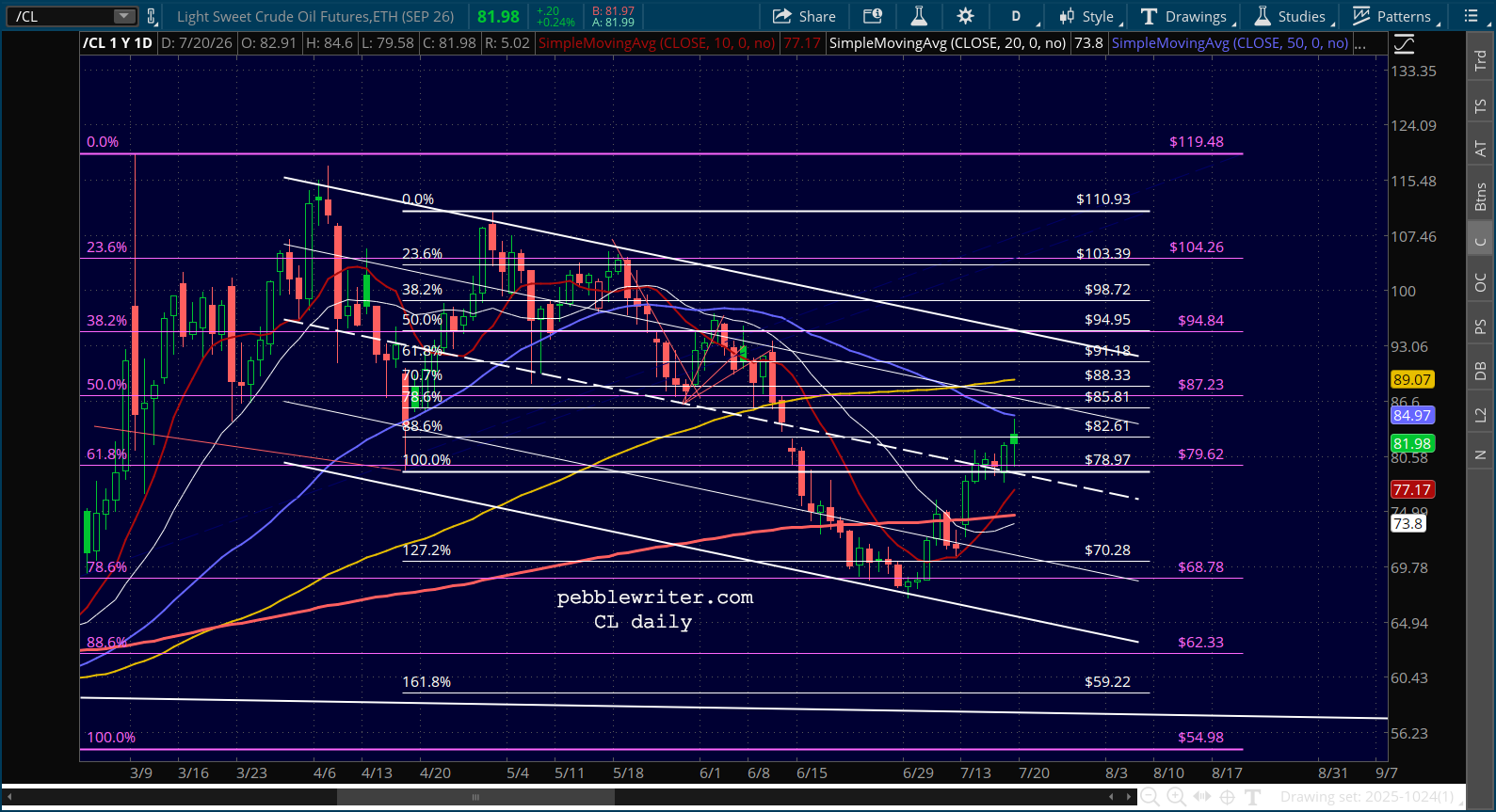
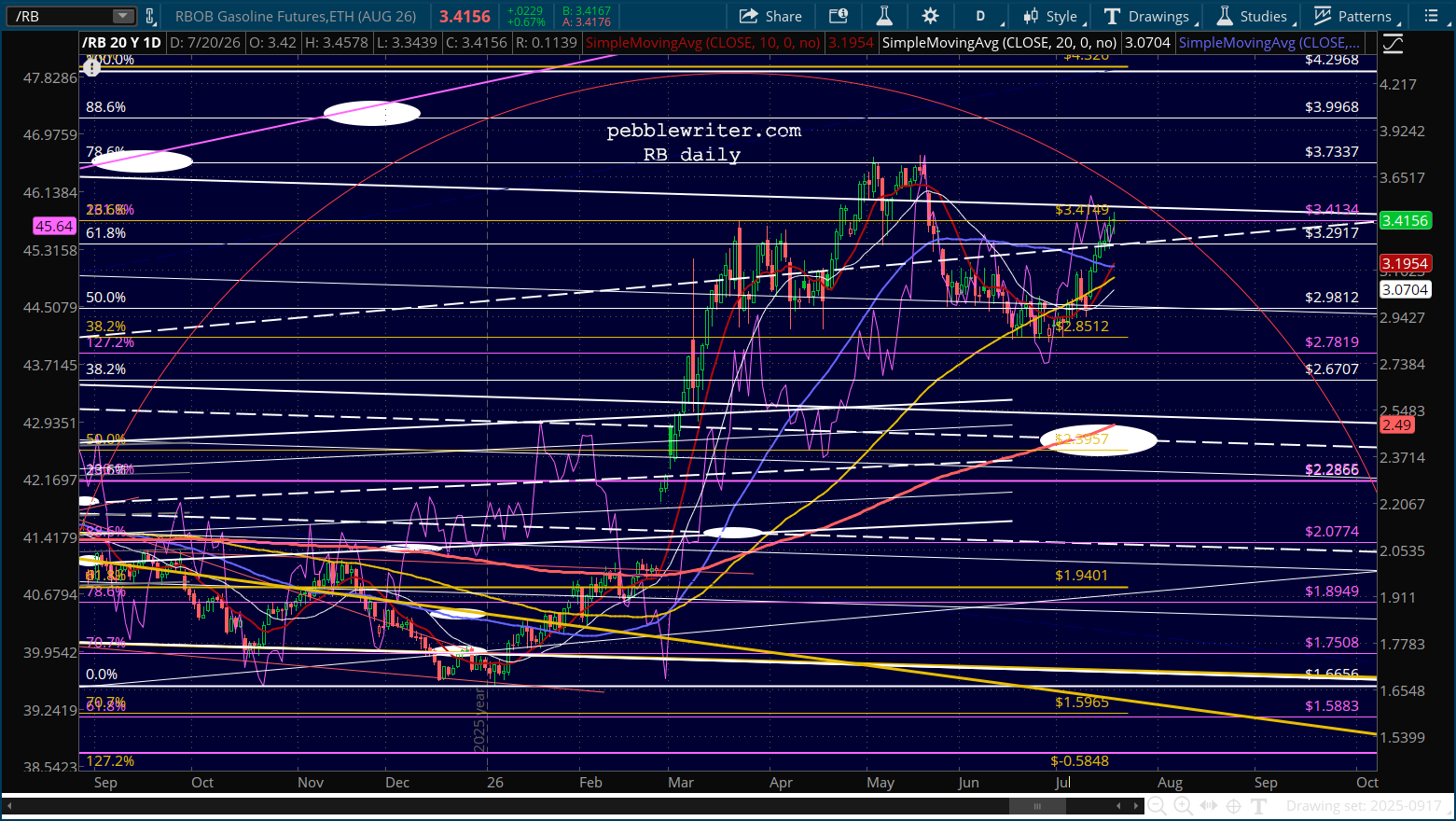
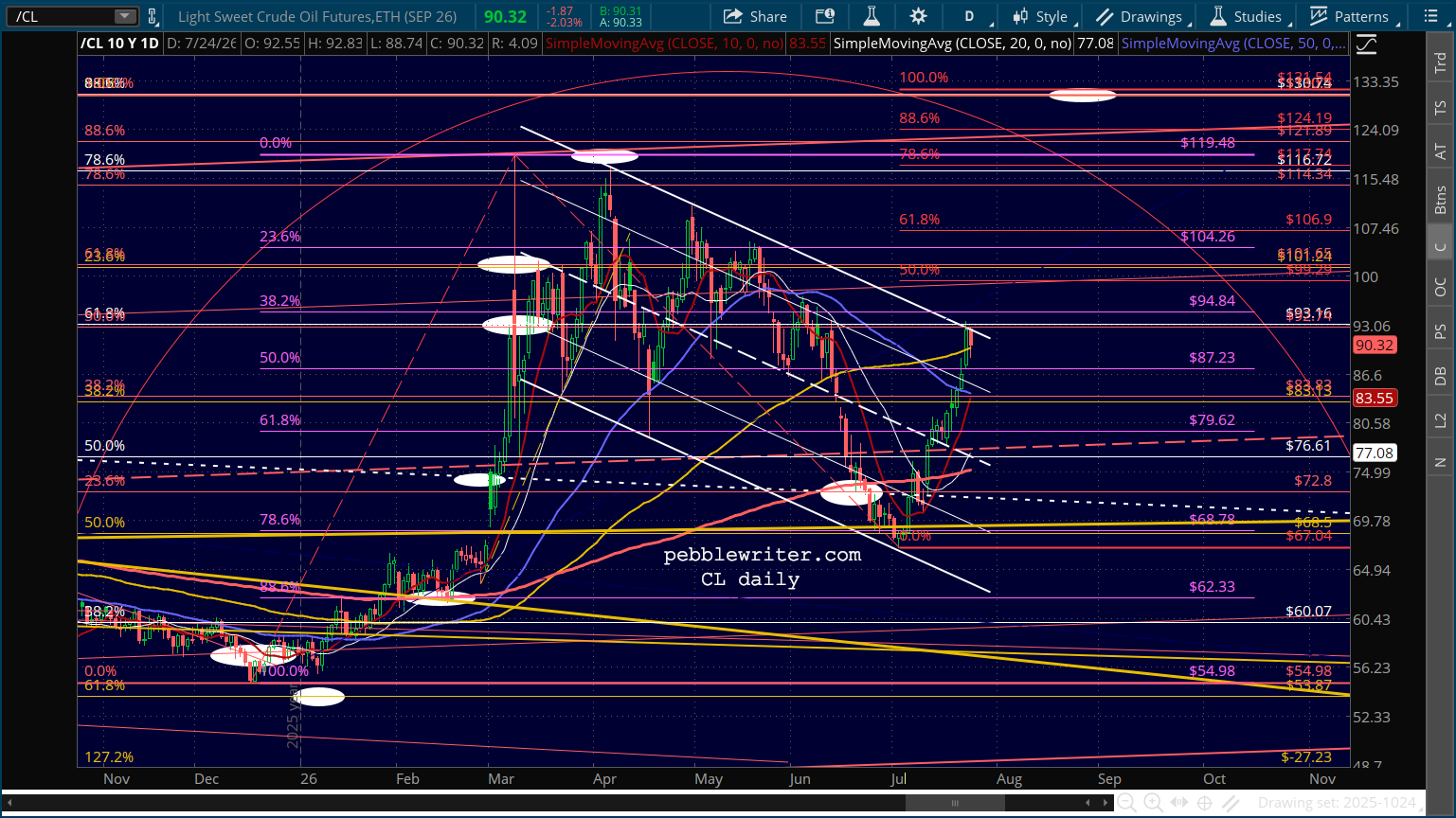
    …while oil and gas continue their stealth breakouts thanks to the credible threat of a shooting war with oil producer Iran.


    It remains to be seen whether a wag-the-dog exercise in the Middle East is even necessary any more, as the tariff turmoil has kicked the Epstein matter off the front page for the time being.

    Meanwhile, the strong recent PCE data drove Fed governor Waller to ponder whether a rate hike might be in order in March.

  • Stagflation: More Than a Whisper

    Annualized Q4 GDP came in much lower than expected: 1.4% versus 3.0%. At the same time, December PCE (ex food and energy) heated up from 2.8% to 3.0% YoY (0.4% MoM.)  These data don’t necessarily scream stagflation, but they more than whisper it.  We’ll see if the algos are listening.


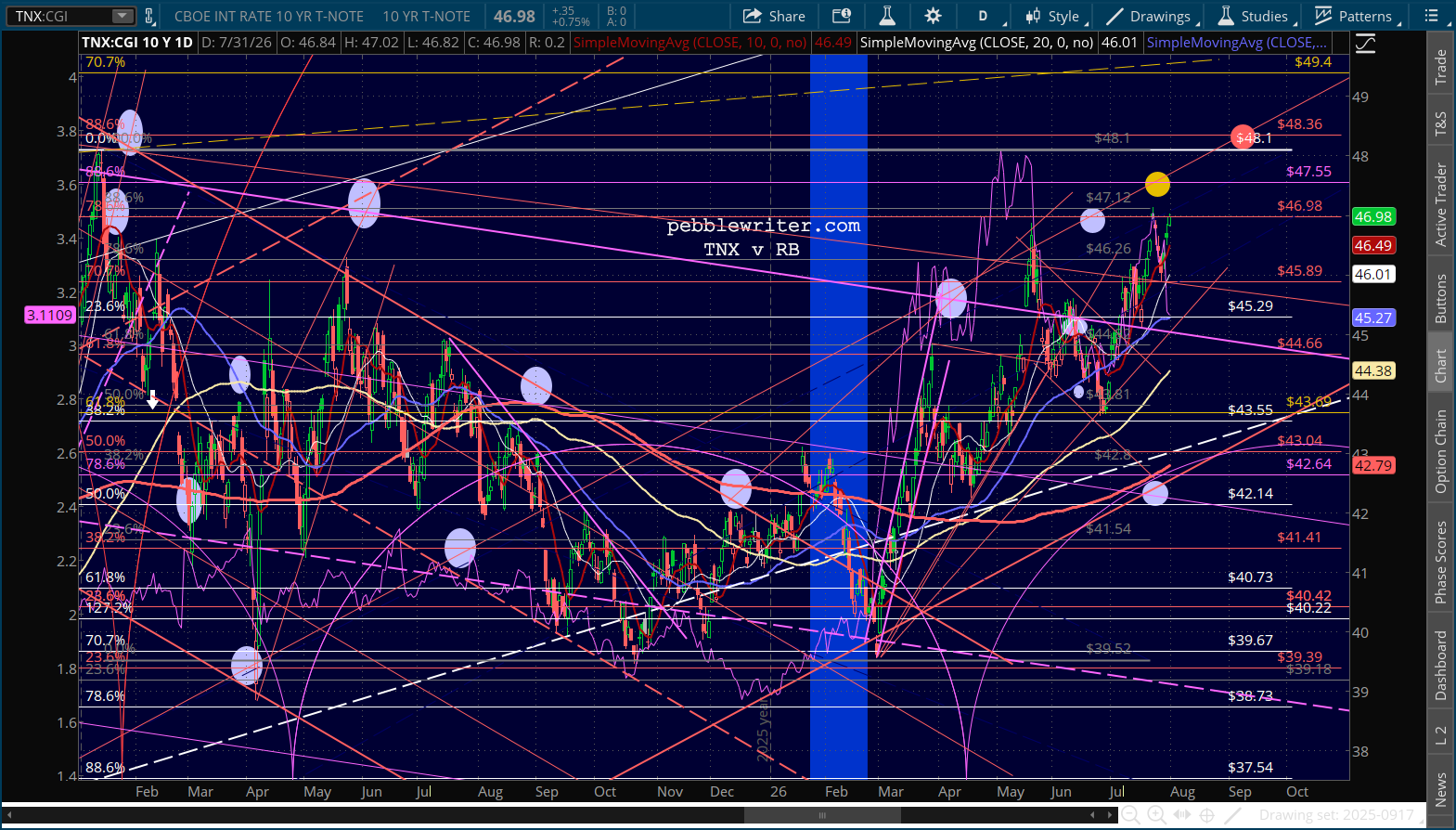
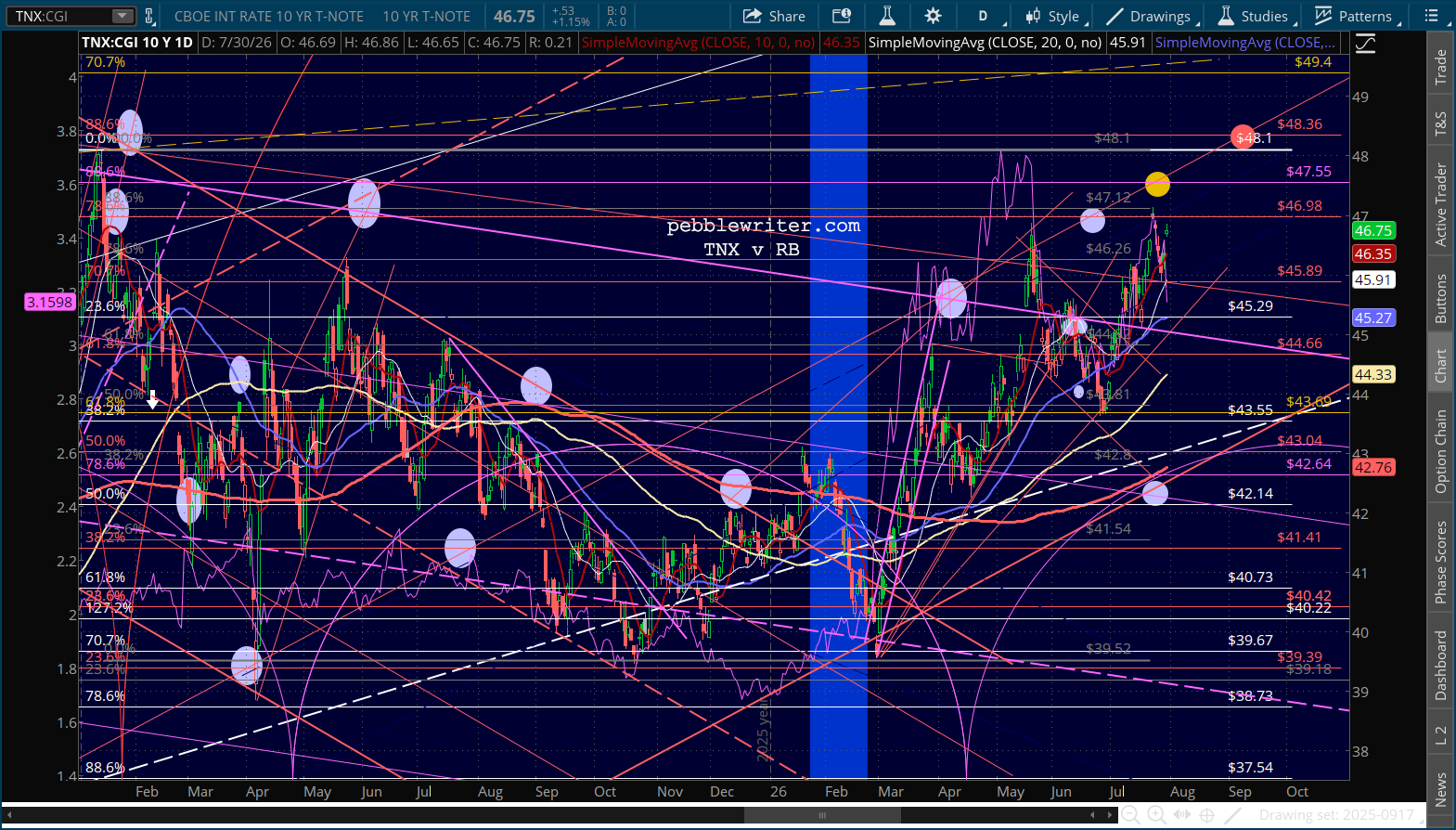
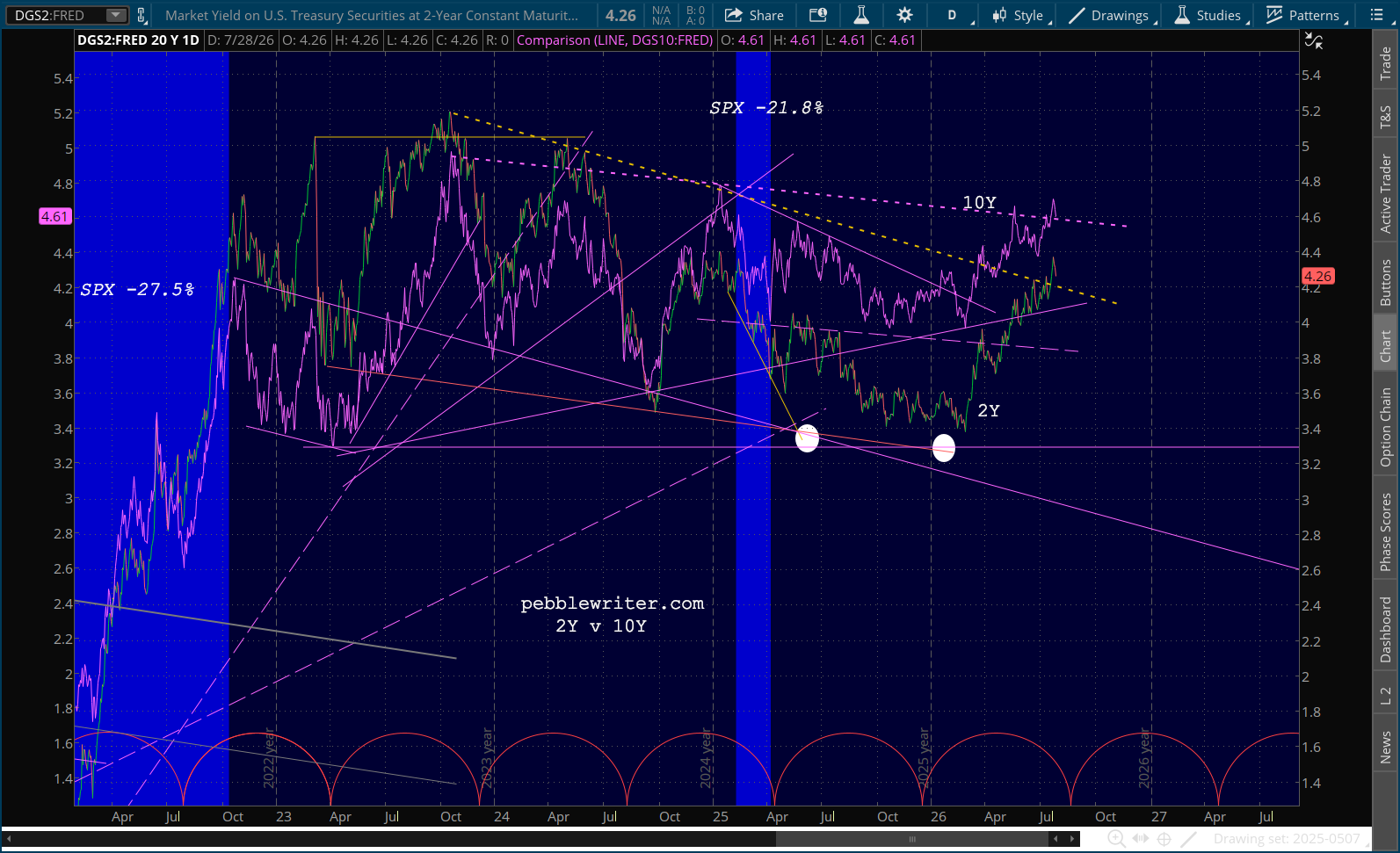
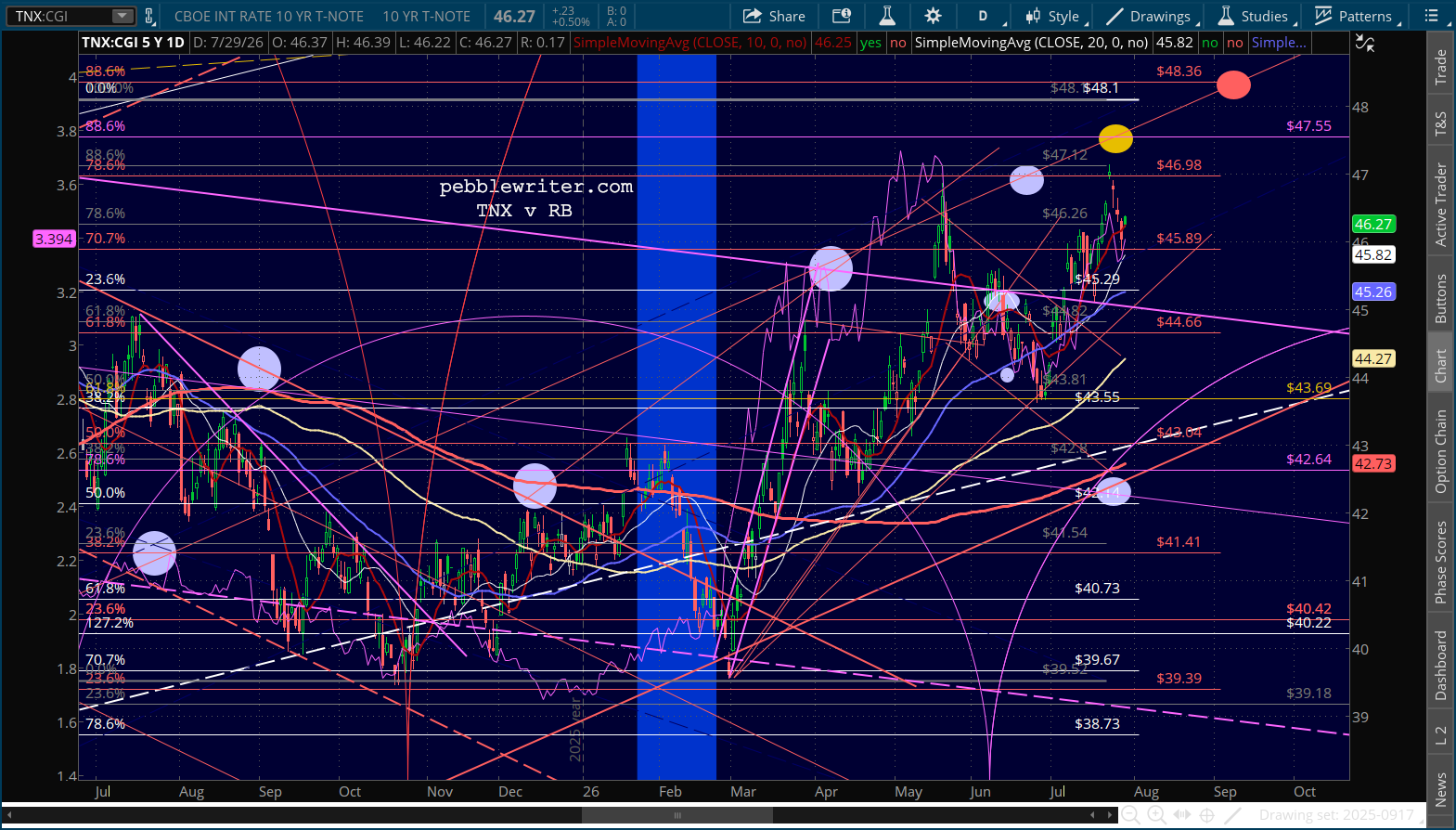
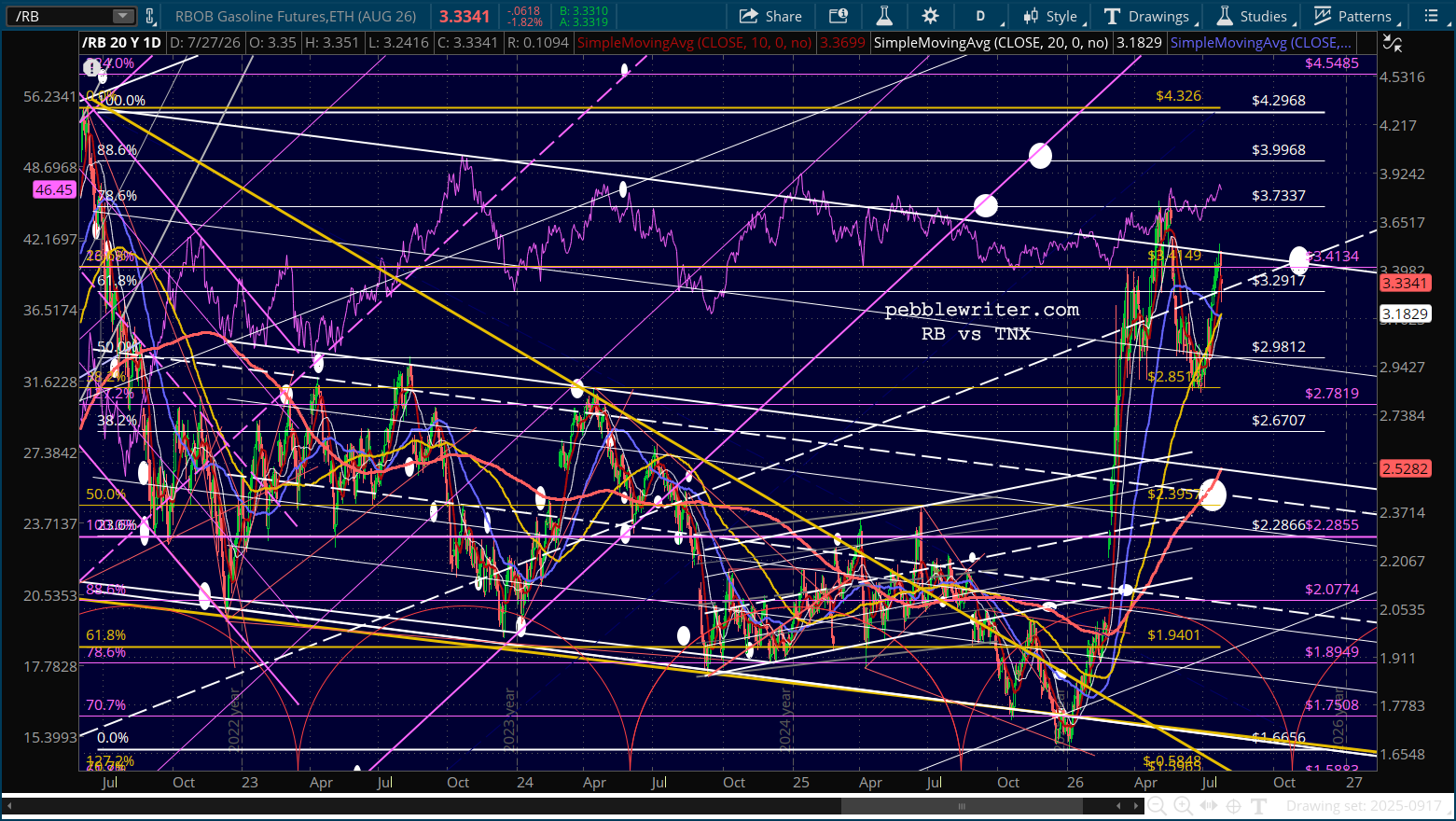
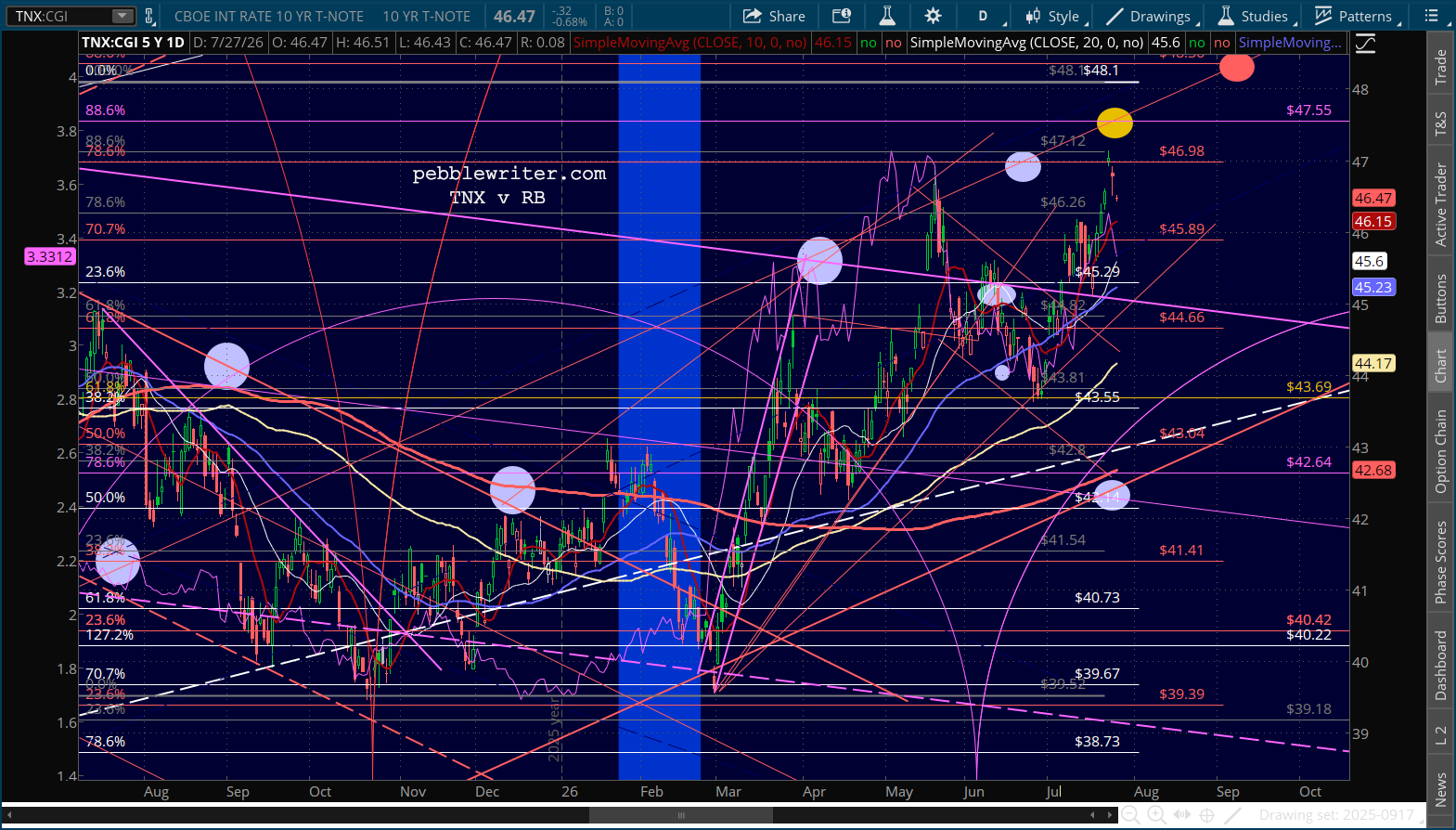
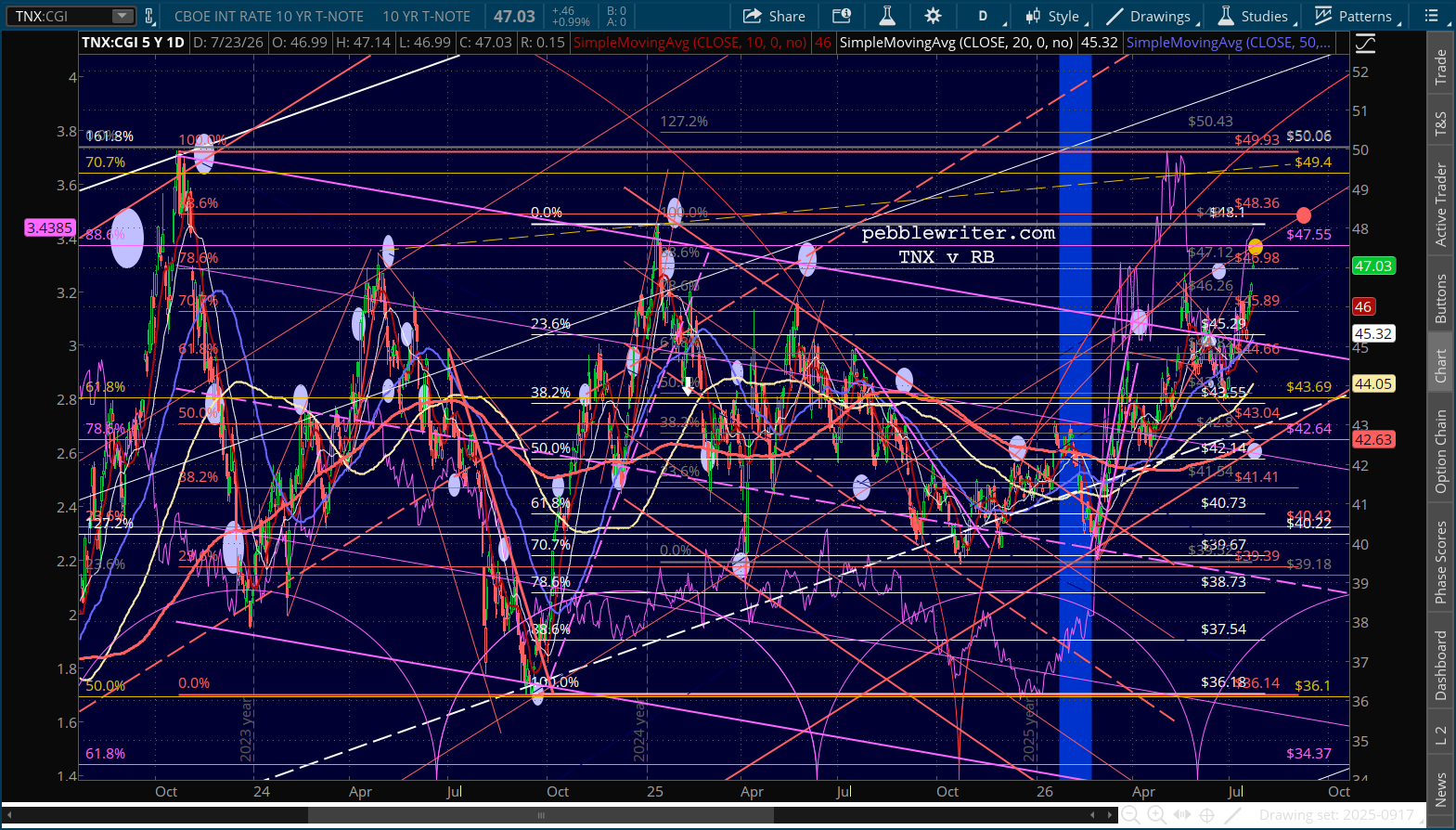
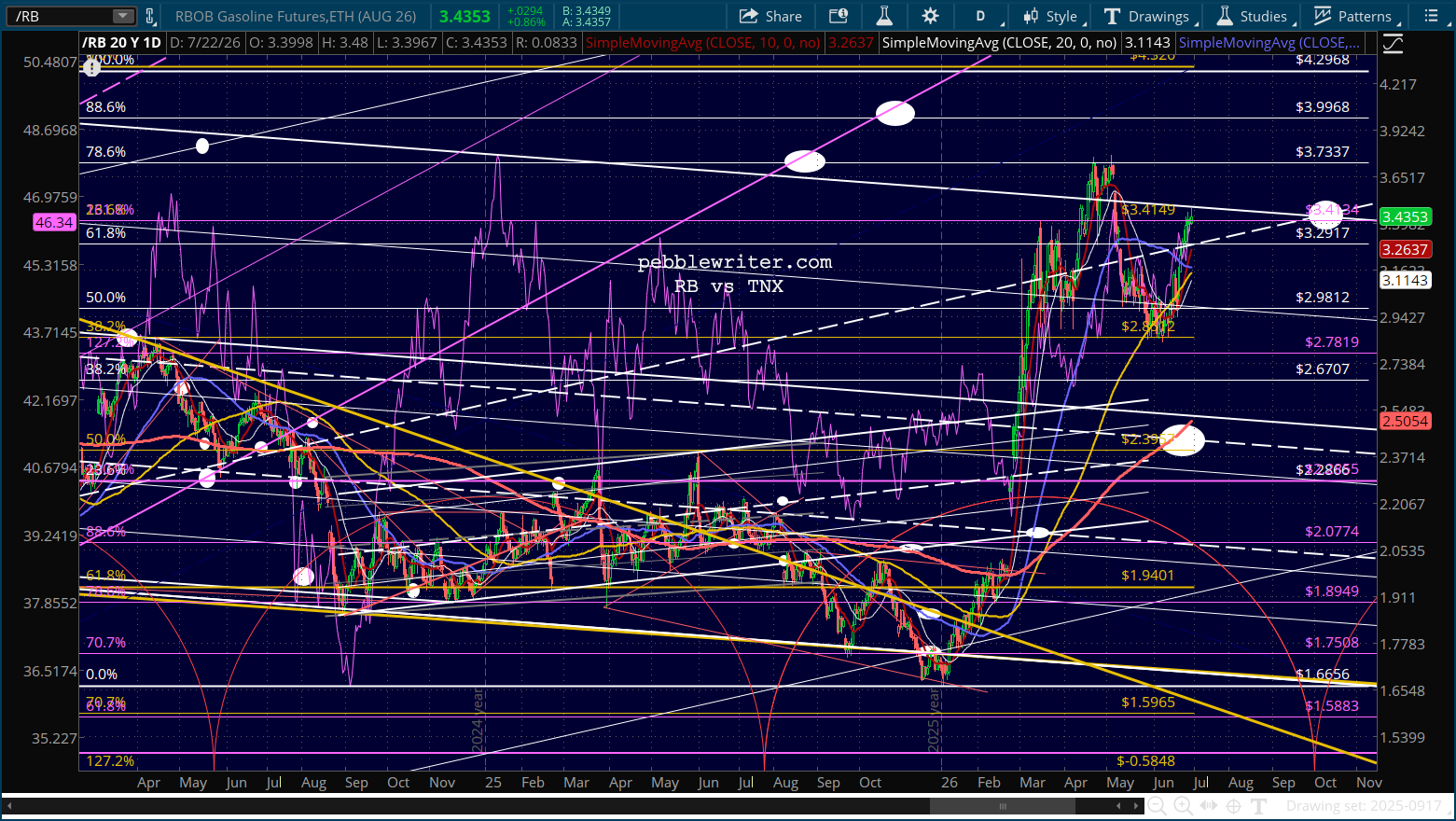
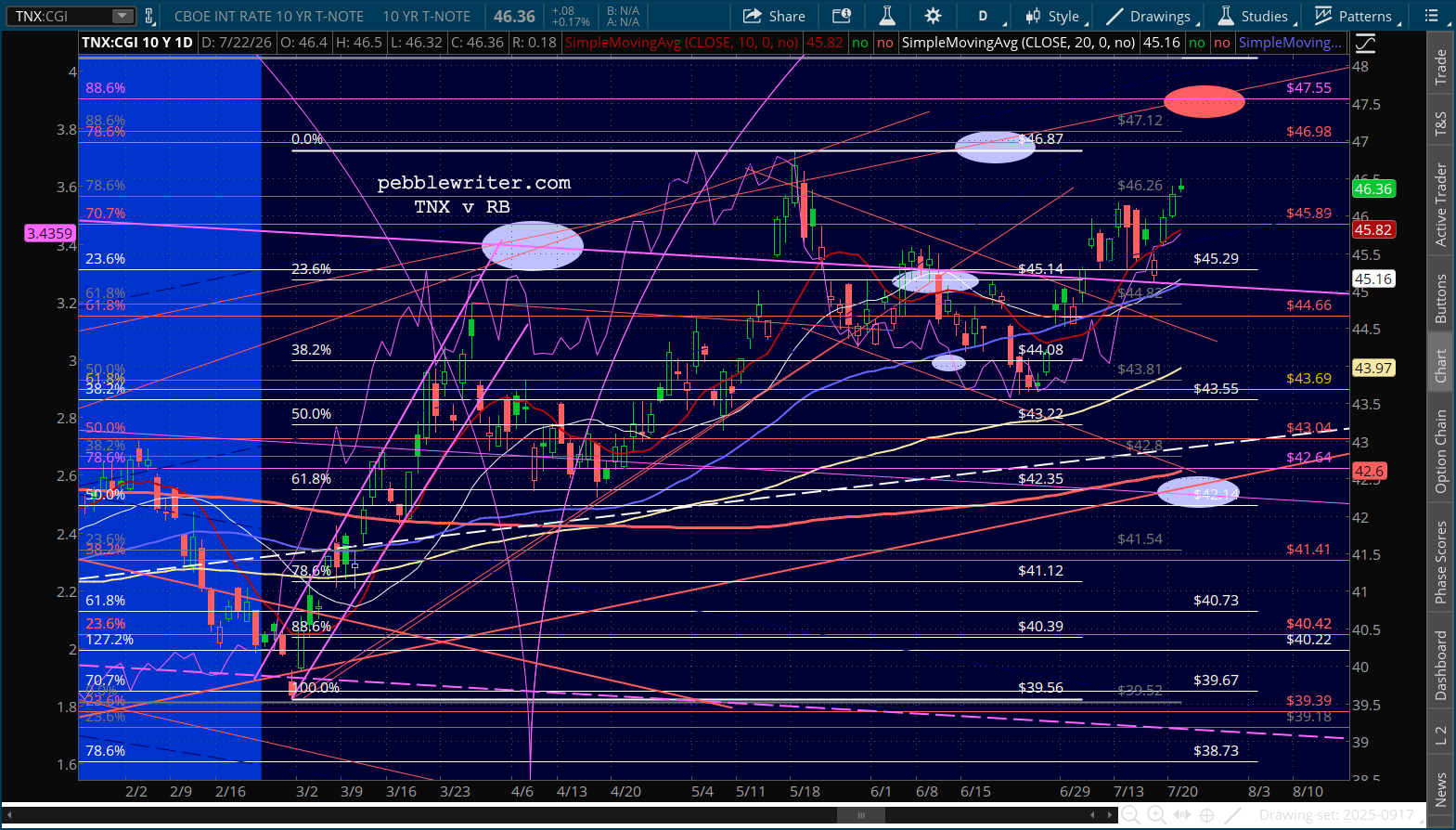
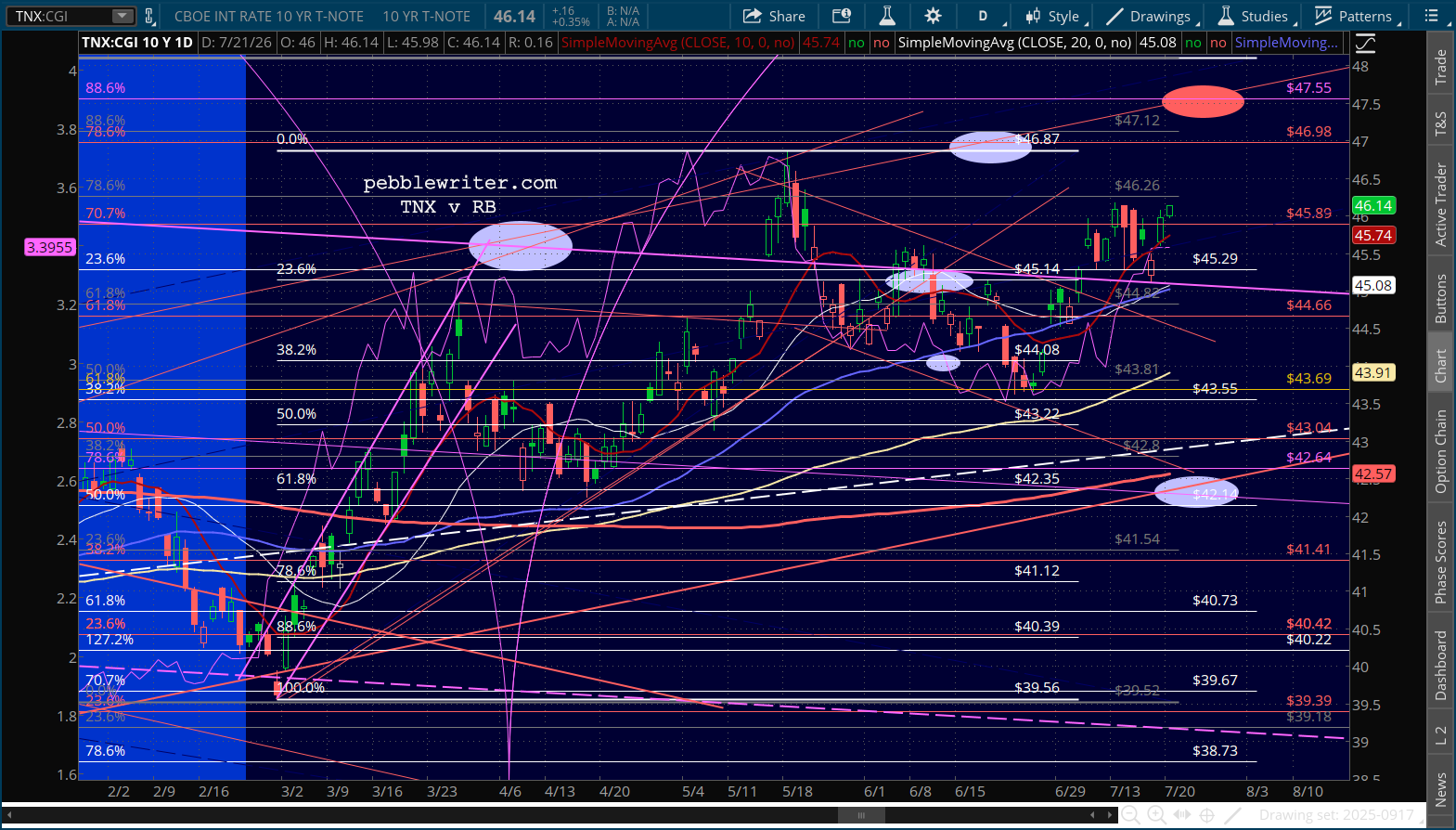
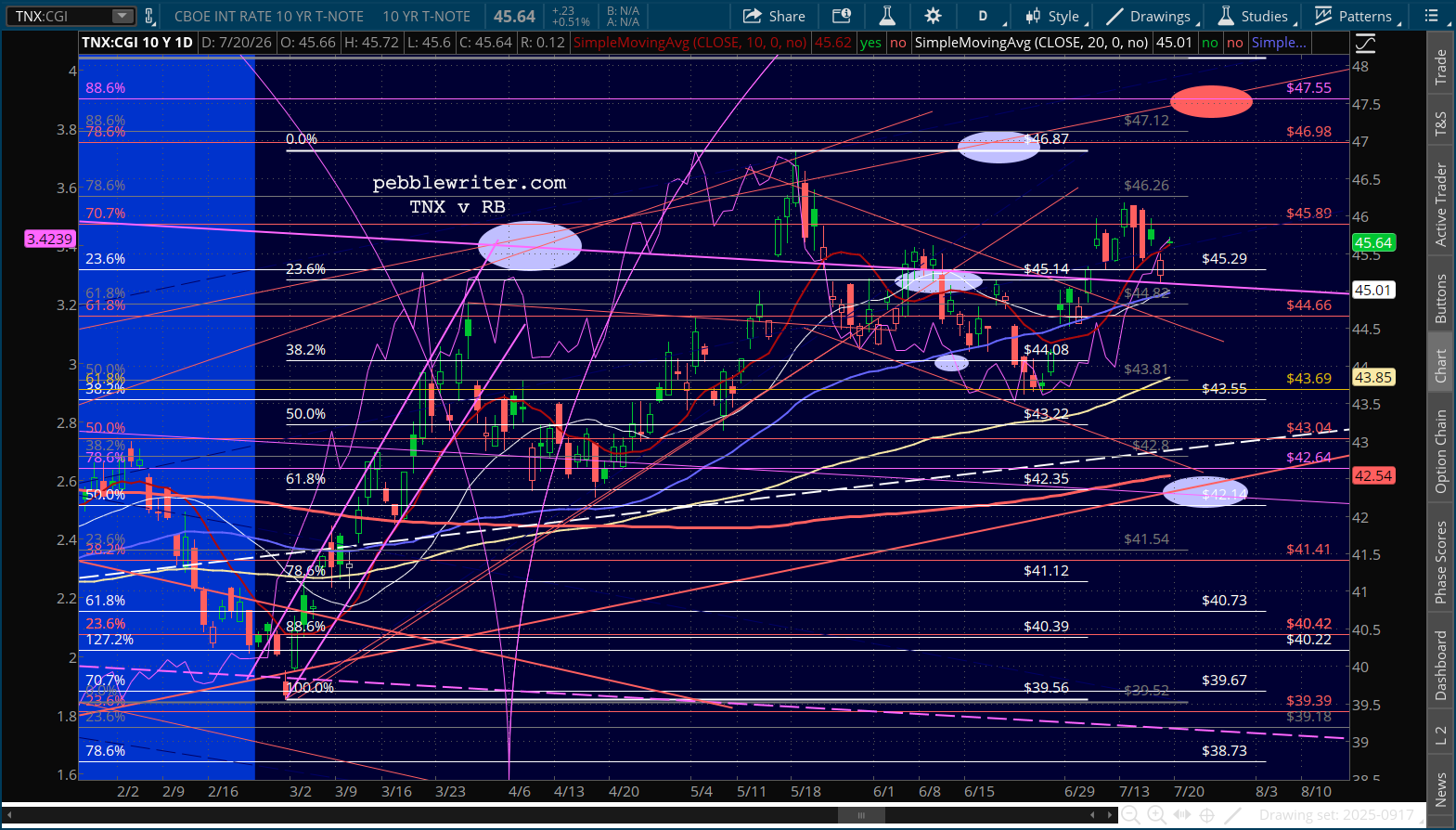
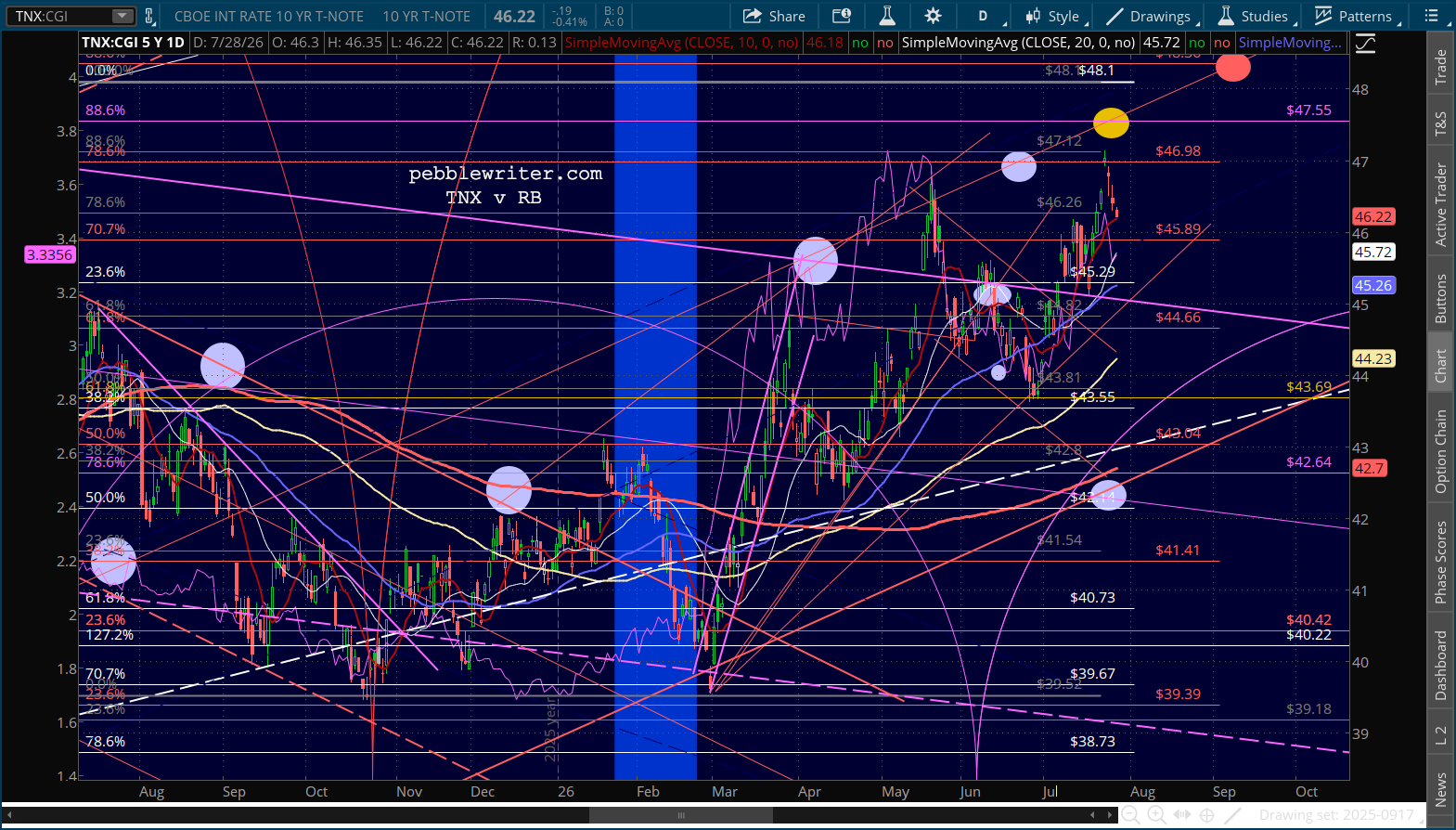
    Interesting goings on in the bond market, as the 10Y continues to counter oil/gas.

    They’re usually in lock step. As YoY gas prices drop, CPI generally keeps pace.

    But, RBOB futures are up 22% since Jan 5. The 10Y kept up until Jan 20, but has been plunging ever since.

    It might be because it’s diverged so much from CPI. Looking at the chart below, you have to wonder whether the risk implied in the 10Y is problematic.  There’s no question that CPI is understated.  But, does that explain the growing divergence between the 10Y and CPI?

    Historically, it’s an unusual phenomenon, code for “is this time different?” There are only a dozen instances over the past 80 years where the 10Y remained in as tight a band as it has since June 2023 (108 bps.) It’s worth noting that no prior episode with a band this tight has such elevated CPI to begin with. It’s also worth noting that the divergence between the two is building, which is unusual in the sense that most prior divergences peaked sooner.

    Of the four most comparable episodes over the years, three had positive equity returns: Jul 96 – Dec 97 (+27.8%), Sep 05 – Aug 07 (+10.2%), and Dec 74 – Sep 76 (+26.7%.) The market fell about 20% in 1977 following the 1974-76 period.  It was relatively flat following the 1996-97 period. And, it was a disaster following the 2005-07 period. It tumbled 12% in early August, rebounded until October, then crashed 58%. But, it’s the fourth episode which might be the most comparable.


    continuing…

  • The Boomcession Bites

    Everything is great. GDP growth is supposedly strong. Unemployment is supposedly low. Inflation is supposedly licked. Nothing to worry about. So, why is consumer confidence at an 11 1/2 year low?  At 84.5 for January, the Conference Board’s index reached the lowest levels since May 2014 — all while GDP growth has been relatively strong.

    “I’ve never seen anything like it. I’ve been doing this for 40 years…a long time to never see anything like this.”
    Diane Swonk, KPMG chief economist

    Confidence also dropped for well-to-do households which have been driving the strong spending data which have underpinned the economy. Current conditions have reached levels not seen since the pandemic, while expectations are actually worse than the pandemic lows.


    Consumer confidence current conditions v expectations


    The job market is a significant culprit, with confidence regarding the ability to find a job closely matching the reality. Note that these are not BLS data, which have been more suspect than ever since Trump fired former Bureau of Labor Statistics Commissioner Erika McEntarfer over data that didn’t flatter him.


    Consumer confidence jobs v JOLTS


    The decline in job openings over the past several years has been in stark contrast to the rise in stock prices. Layoffs rose over 200% from December to January, with large job cuts at major employers such as Nike, Amazon and UPS.  According to the latest University of Michigan sentiment report, worries about job stability and earning potential in the next five year were “particularly elevated” for higher-income and higher-educated consumers. 


    And it’s all happening at a time when inflation is still problematic for American households. Even if you buy Trump’s inflation numbers (I don’t) the recent decline in the rate of inflation certainly hasn’t brought prices down. The essentials are still about 30% higher than they were five years ago, sharply outpacing the 20% salary gains over that same period.


    It’s not just lower income Americans who are hit hard by stubbornly high prices, but they are disproportionately affected. Wealthier consumers generally have larger cushions in everything from their bank accounts to their real estate holdings and stock portfolios.


    “Traditionally, the economy is doing really well, but ordinary people are saying they’re not.”
    Matt Stoller, American Economic Liberties Project


    They call it the K-shaped economy because it affects the “have-nots” much more than the “haves.” But, as we discussed in our Look Ahead at 2026, it has always forced a Fed policy response that ends up affecting everyone — even wealthy investors.

    https://pebblewriter.com/wp-content/uploads/2026/01/Divergence-Market-and-Policy-Response-1-scaled.png

    Stay tuned.
    * * *

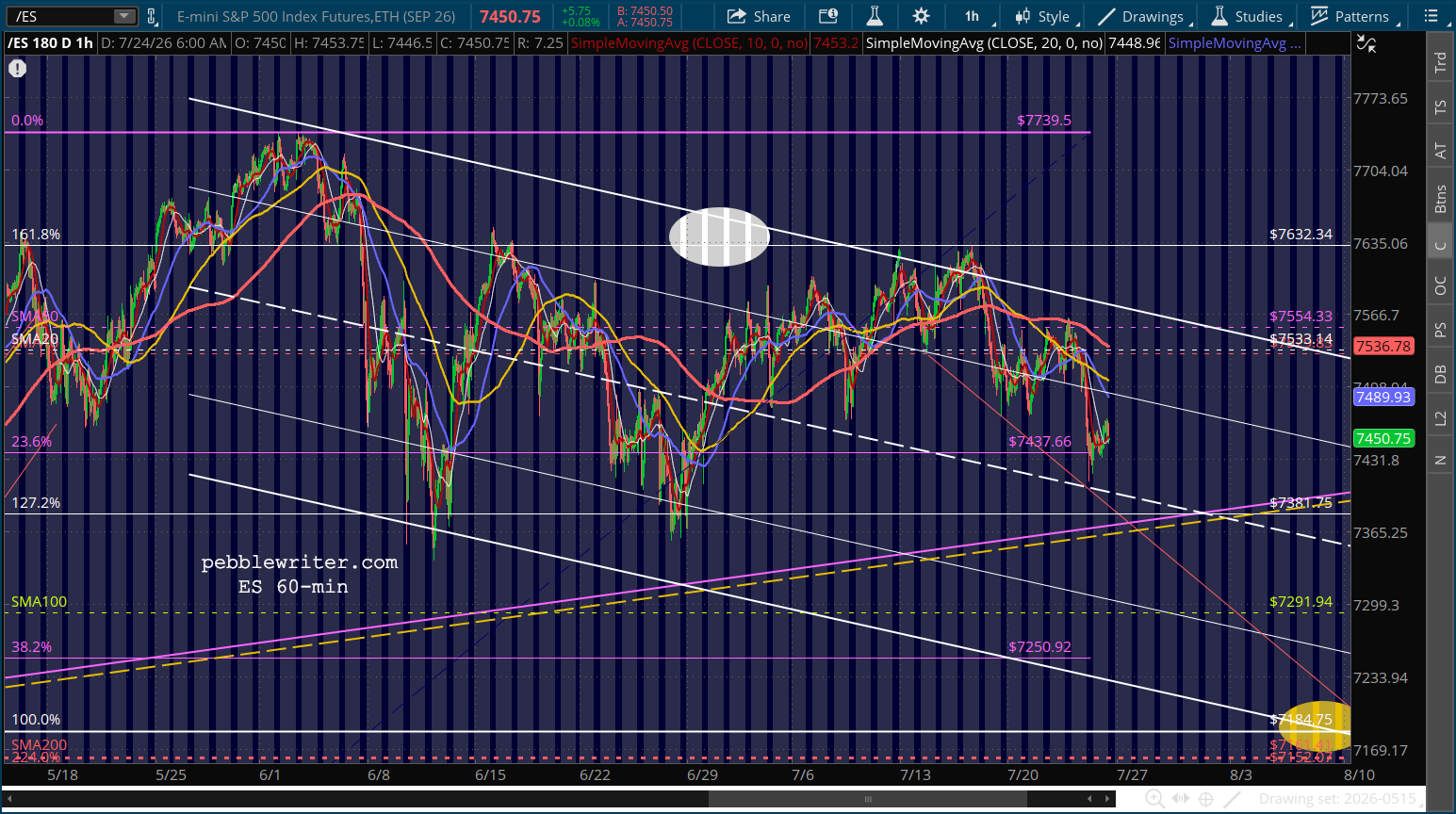
    The futures are bouncing slightly just prior to the open.

    * * *
    I will be out of the office tomorrow for my annual colonoscopy. This is a reminder to anyone who hasn’t had one in the last 5-10 years to schedule one NOW. It’s not a ton of fun, to be sure. But, having part of your colon or rectum surgically removed, radiation, chemotherapy and a drastically shortened lifespan ain’t that much fun either.
    For our younger members, you should know that colorectal cancer is growing the fastest among people under the age of 50. If your doctor won’t prescribe one, you should get a new doctor – especially if you have any symptoms. And, if your insurance company won’t pay for it, pay for it yourself. You can usually get a self-pay colonoscopy for about $1,200 – $1,500 in most parts of the country – pretty cheap insurance for a procedure that could save your life.
  • Vol is Still Broken Out

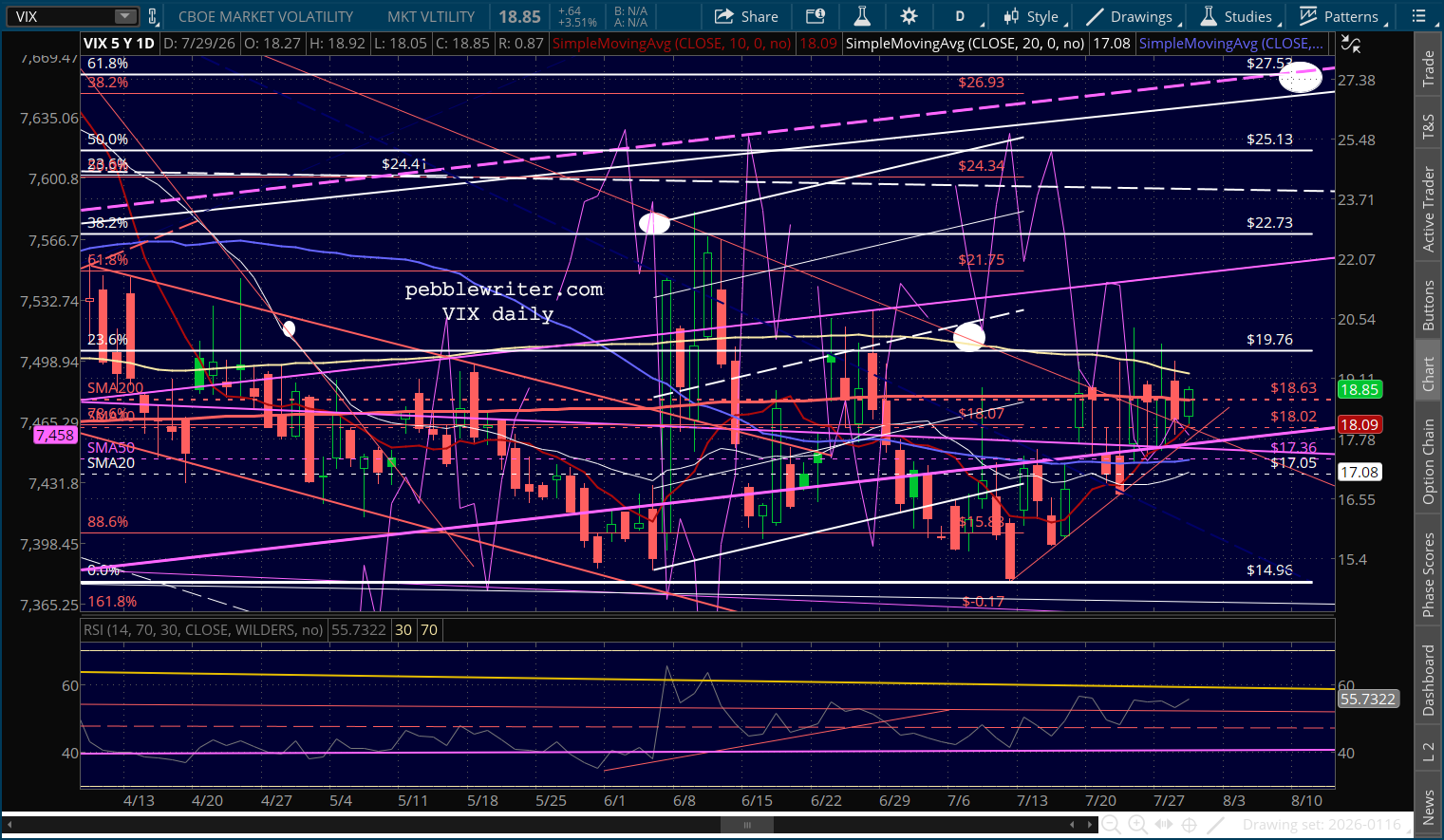
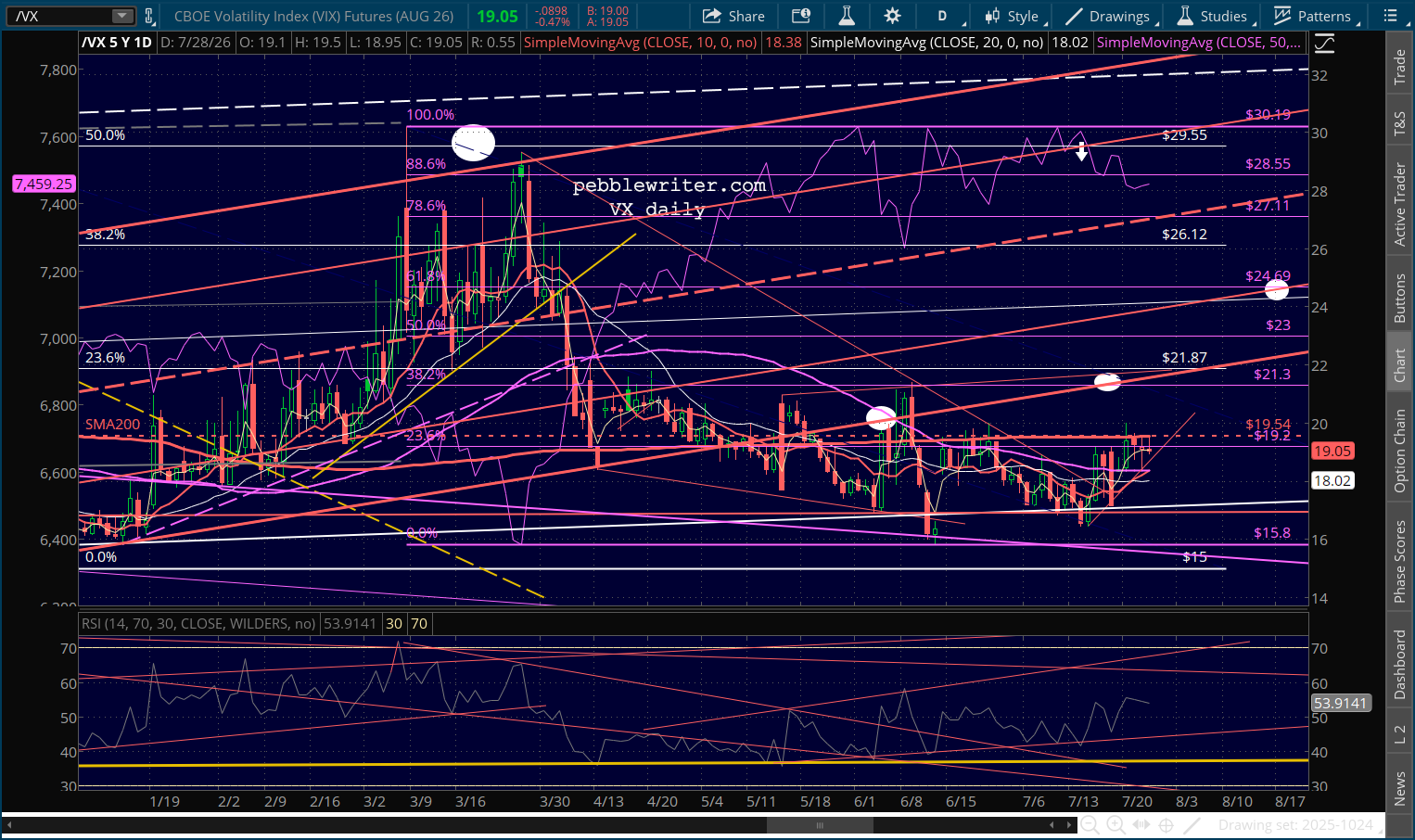
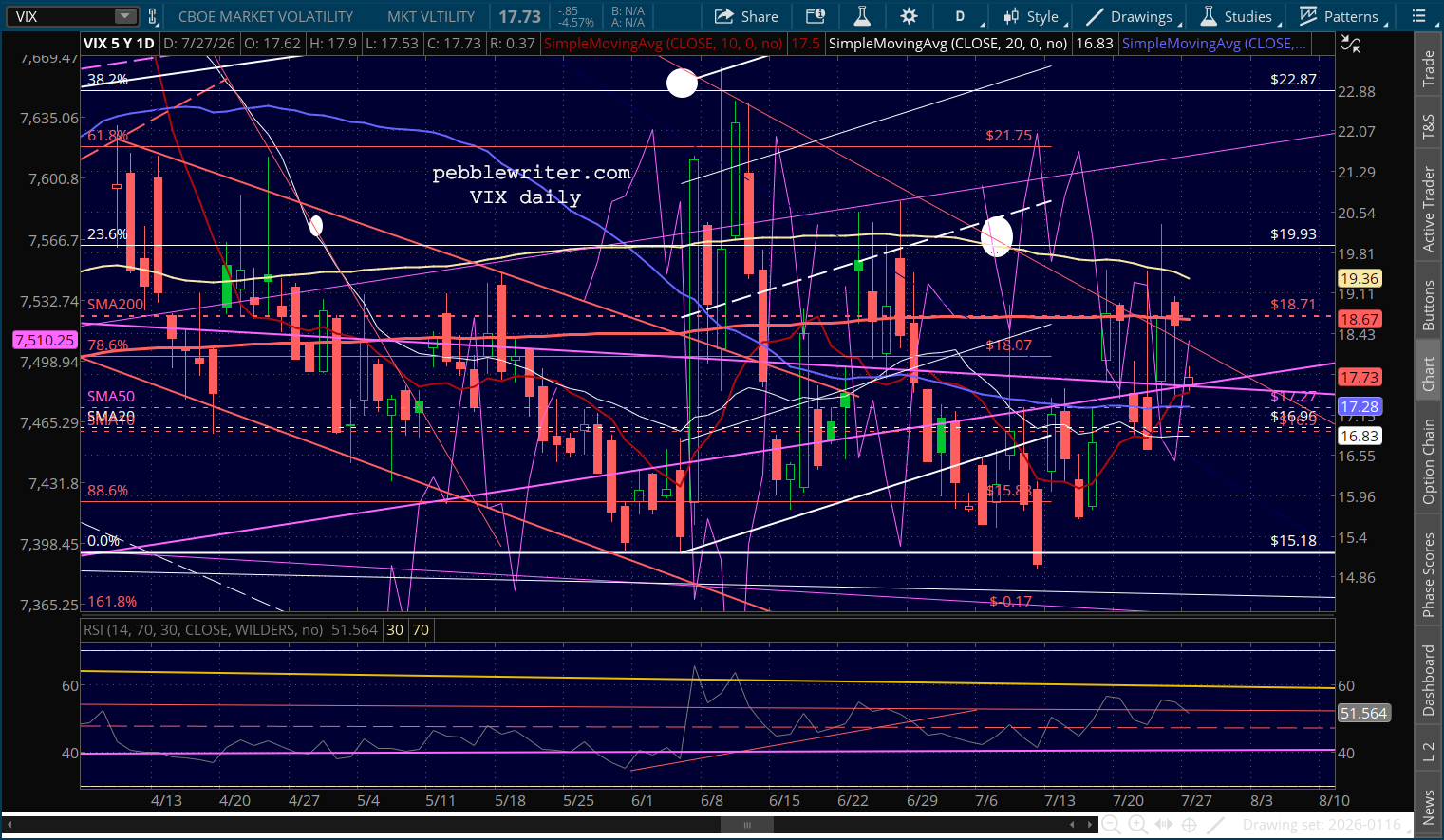
    VX is still well above the TL from last April and its 200-day moving average. But it failed to make a new high last week, which means the downside risk for equities remains elevated but without confirmation.

  • The Market is Still in Trouble

    CPI came out this morning. To no one’s surprise, both the MoM and the YoY prints were lower than last month. Also to no one’s surprise, the news is being ignored by the futures. First, Trump has had his finger on the button ever since firing the head of the BLS for reporting accurate but inconvenient truths. Second, an actual drop in inflation hurts the case he so strenuously makes that the Fed should lower rates.

    Most of the Mag 7 prices are down sharply since our Jan 14 Look Ahead at 2026. The forecast we detailed back then remains the same.

    They’re also down significantly just in the past week. The valuation analysis we shared on Monday remains the same.

    A reminder of what we said on Monday. The thesis remains the same.


    Stay tuned…

  • Were We Invading Mexico?

    Late last night, the FAA announced that El Paso International Airport would be closed to all incoming and outgoing flights for the next 10 days. The only reason I can think of for such an action is that the US would be flying into Mexico to apprehend some drug kingpin, Venezuela style. Moments ago, they announced that the closure had been revoked – presumably because whatever security emergency had existed no longer exists. Just another day…

    Meanwhile, less than a week after the largest number of job cuts in any January since 2009, a very positive job growth print was released (+130K versus 55K expected, 4.3% versus 4.4% expected.) Note that the job cuts data came from private outplacement firm Challenger, Gray & Christmas and the job growth print comes to us from the data-made-to-order folks at the BLS.

    The futures think this is just fine and have soared by nearly 40 points…

    …ignoring the shooting star candle that the DJIA left in its wake yesterday.

    The only problem with this jobs data, of course, is that it shoots the odds of a Fed rate cut in the foot. It also suggests that the inflation print coming out Friday will be lower than expected.
    While numerous indicators still suggest a significant/imminent downturn, VX is doing its level best to prevent a meltdown.

    Stay tuned…

  • Retail Sales Tumble

    U.S. retail sales were unexpectedly flat in December, confirming that the overall economy is on a slower growth path than most economists had believed. November’s print was a strong 0.6% increase. Futures are flat as the jobs and inflation data also due out this week are viewed as more important.
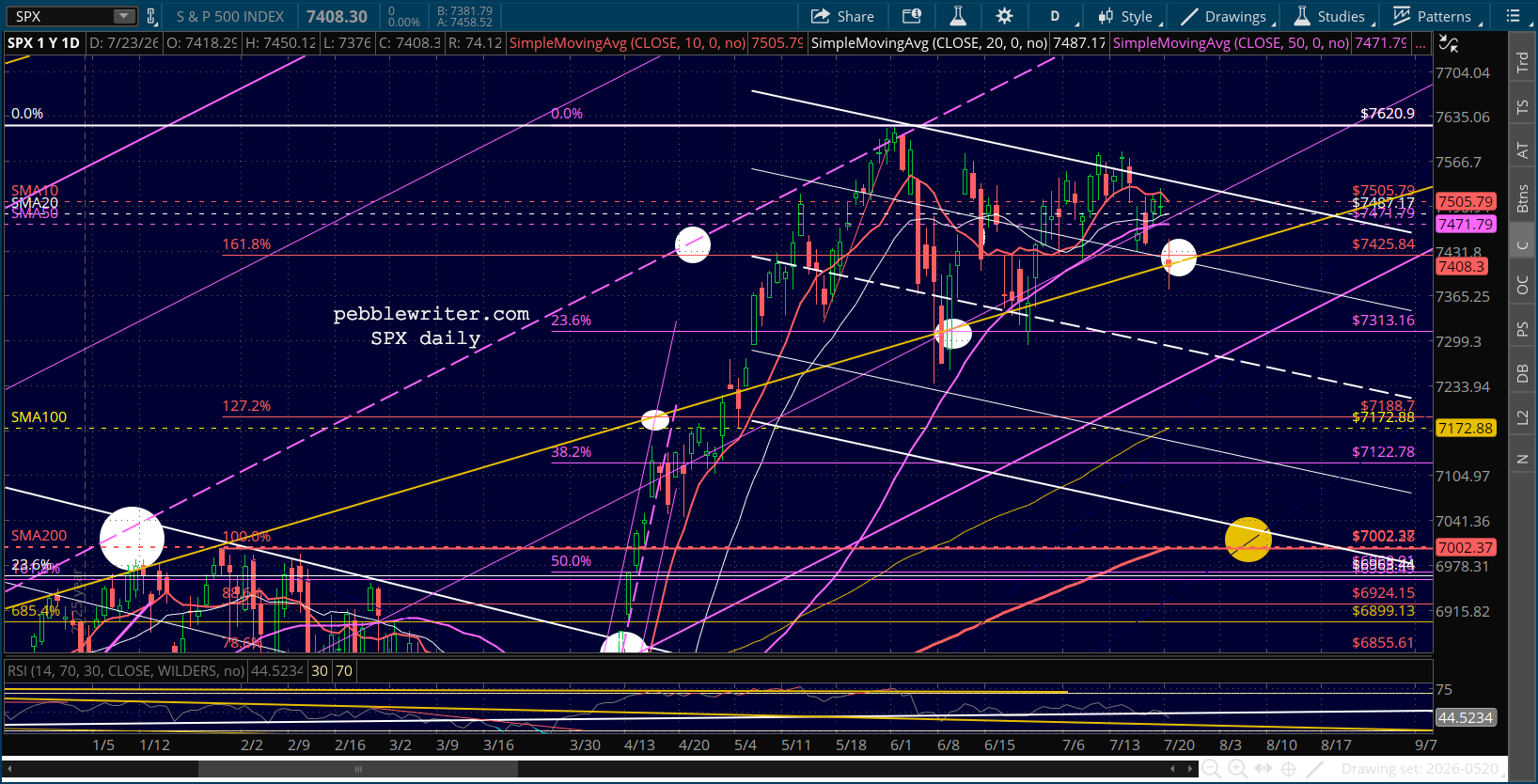
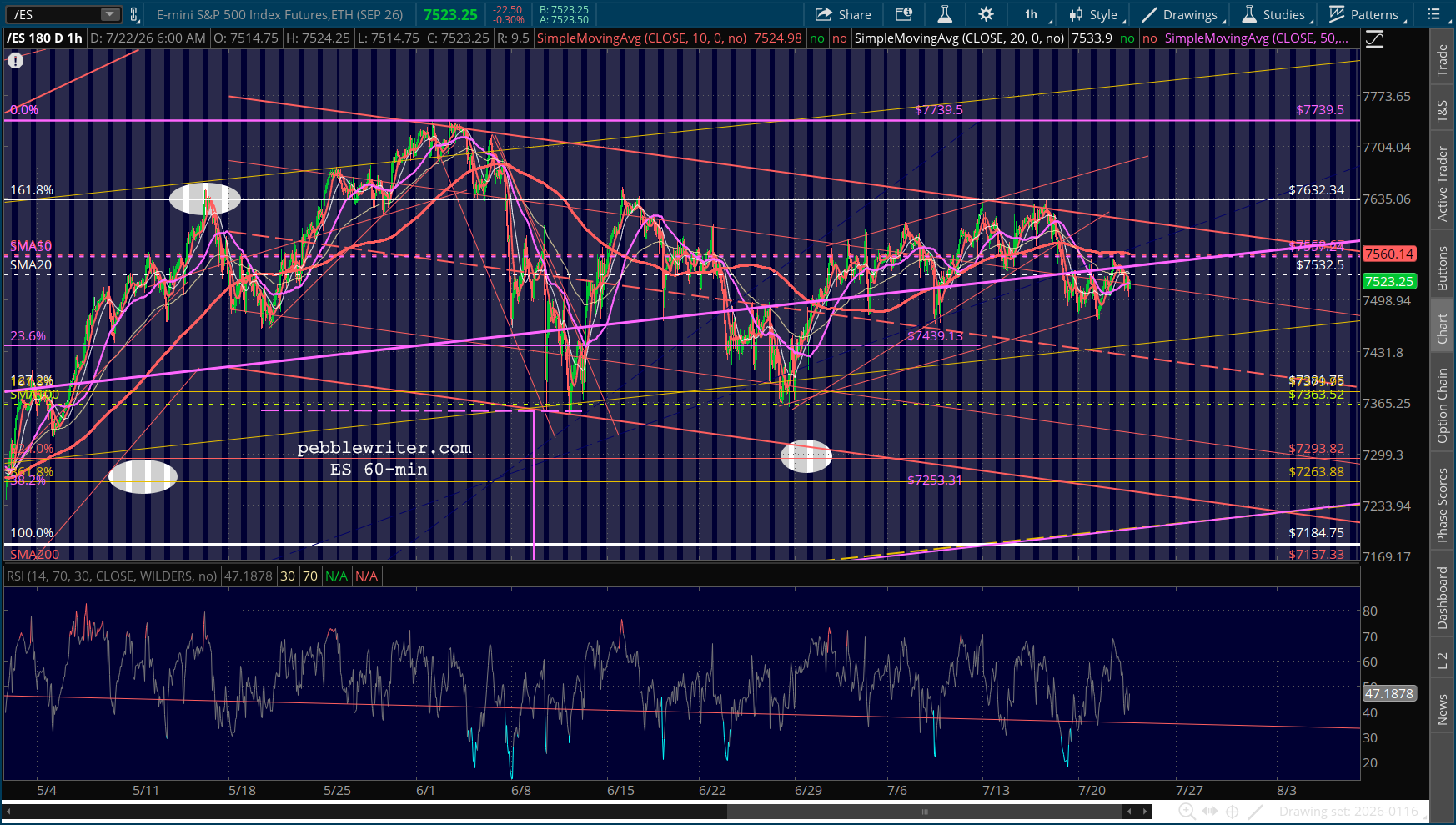
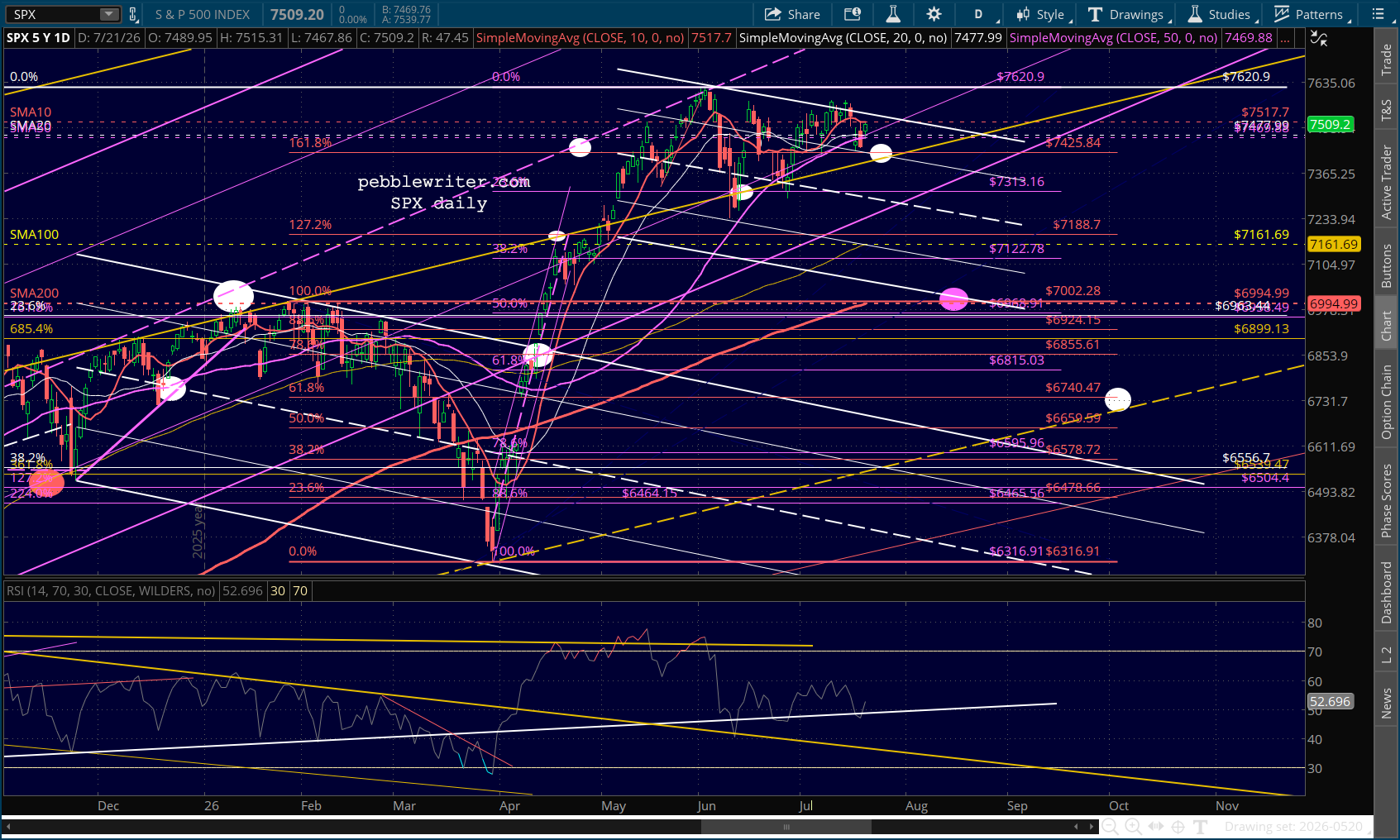
    Note that RSI for both SPX and ES has been making lower highs, diverging from the higher highs in the indices themselves.
    DJIA has officially tagged its 1.1618 Fibonacci extension.
    VX remains below the TL and SMA200, propping up stocks for now.
    Our model continues to suggest a significant drop is imminent.
  • Charts I’m Watching: Feb 9, 2026

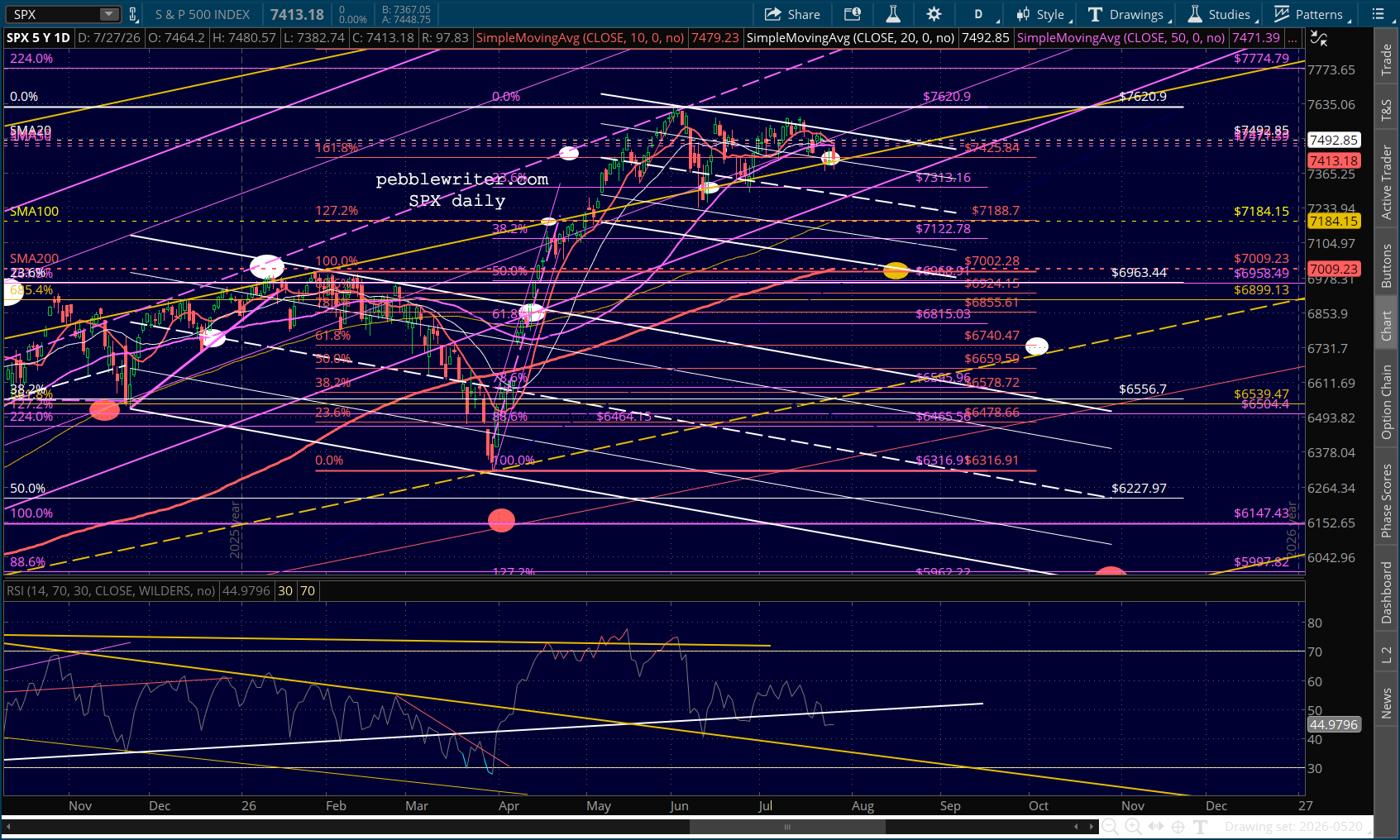
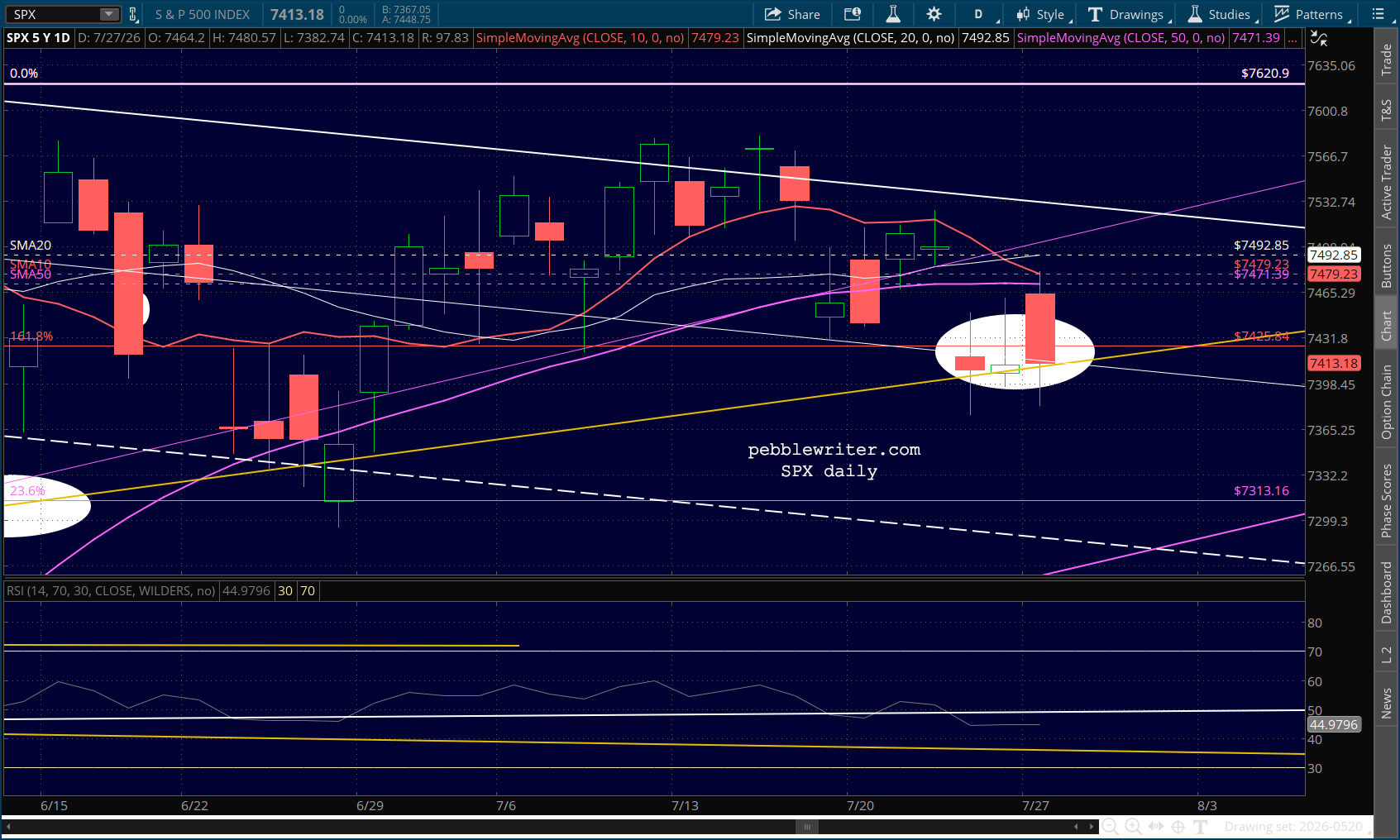
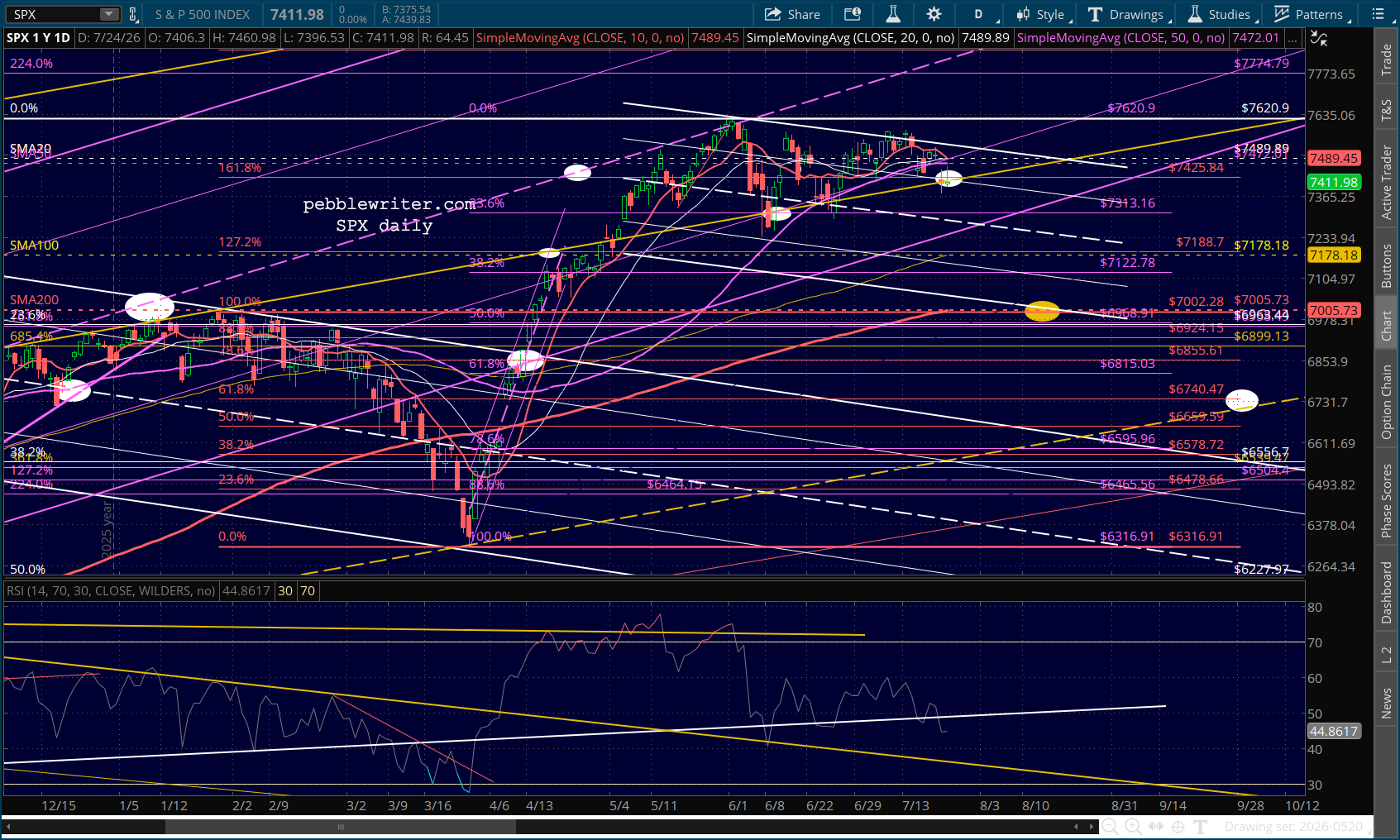
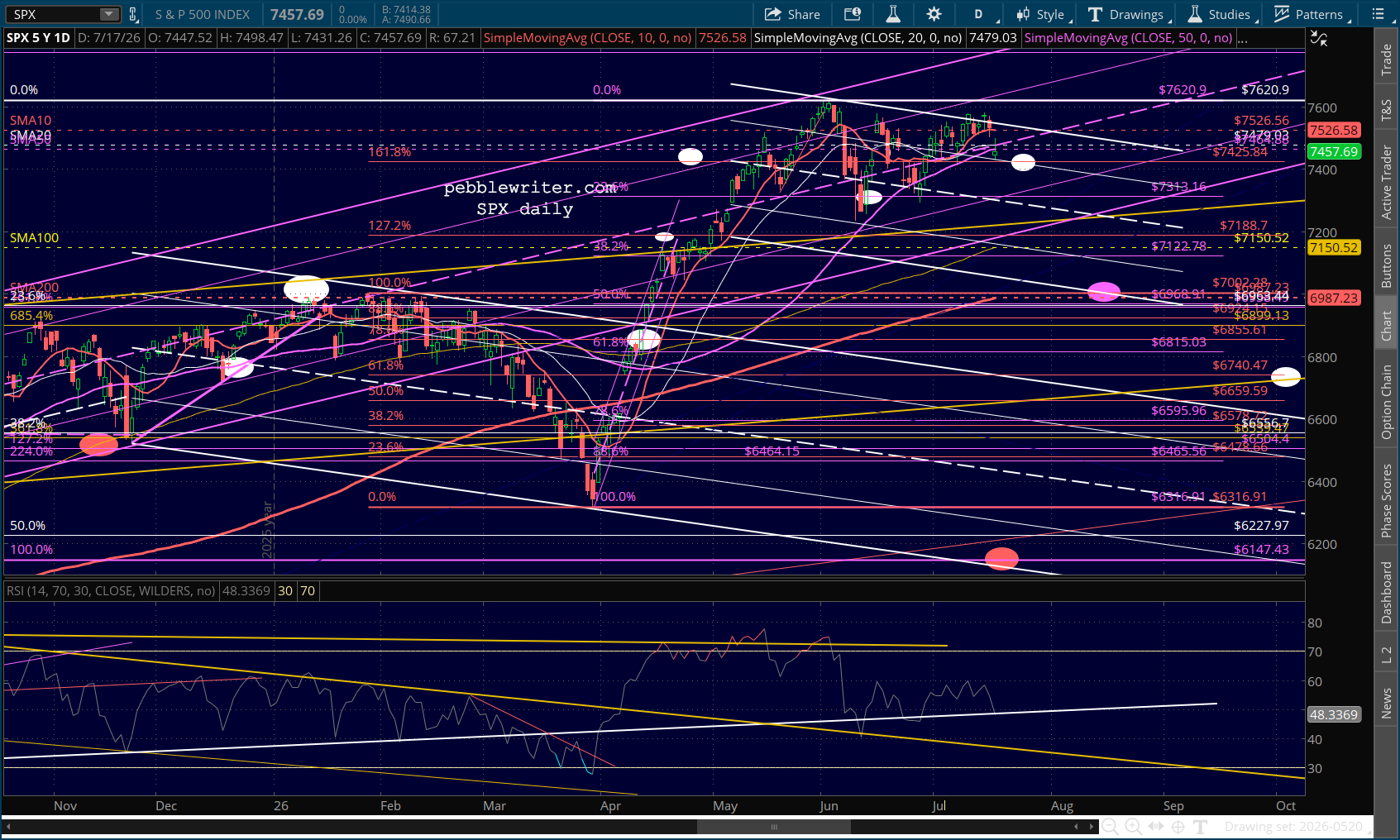
    Futures are off moderately ahead of delayed economic data due out later this week. Friday’s knee-jerk rally took SPX to 7,000, so a pullback back below the SMA50 would be significant.

    Note that a pullback to the SMA200 will soon be able to occur without producing a lower low.

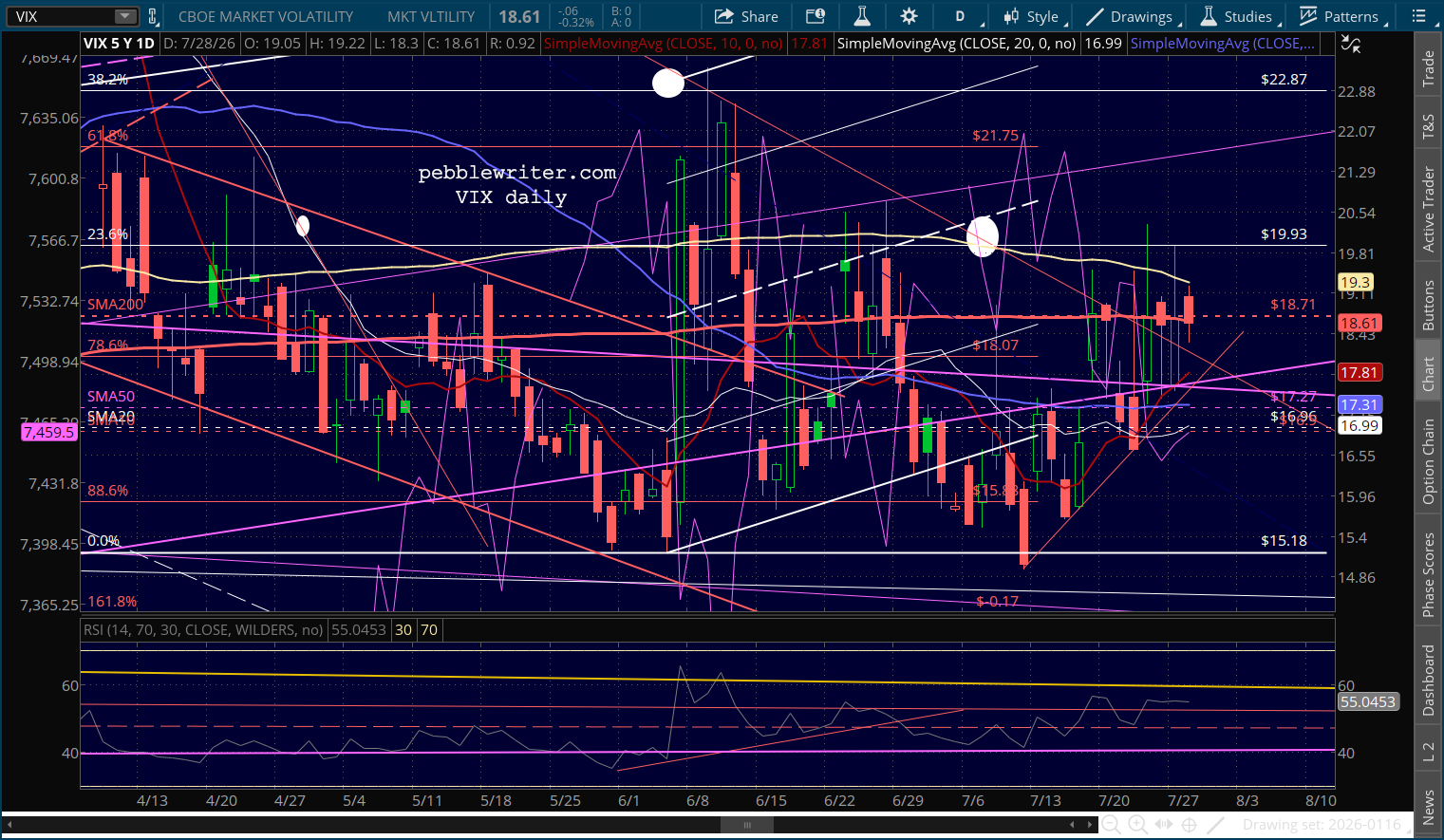
    As we noted last week, the bulls need VX back below that TL and its SMA200. It remains on the bubble this morning.

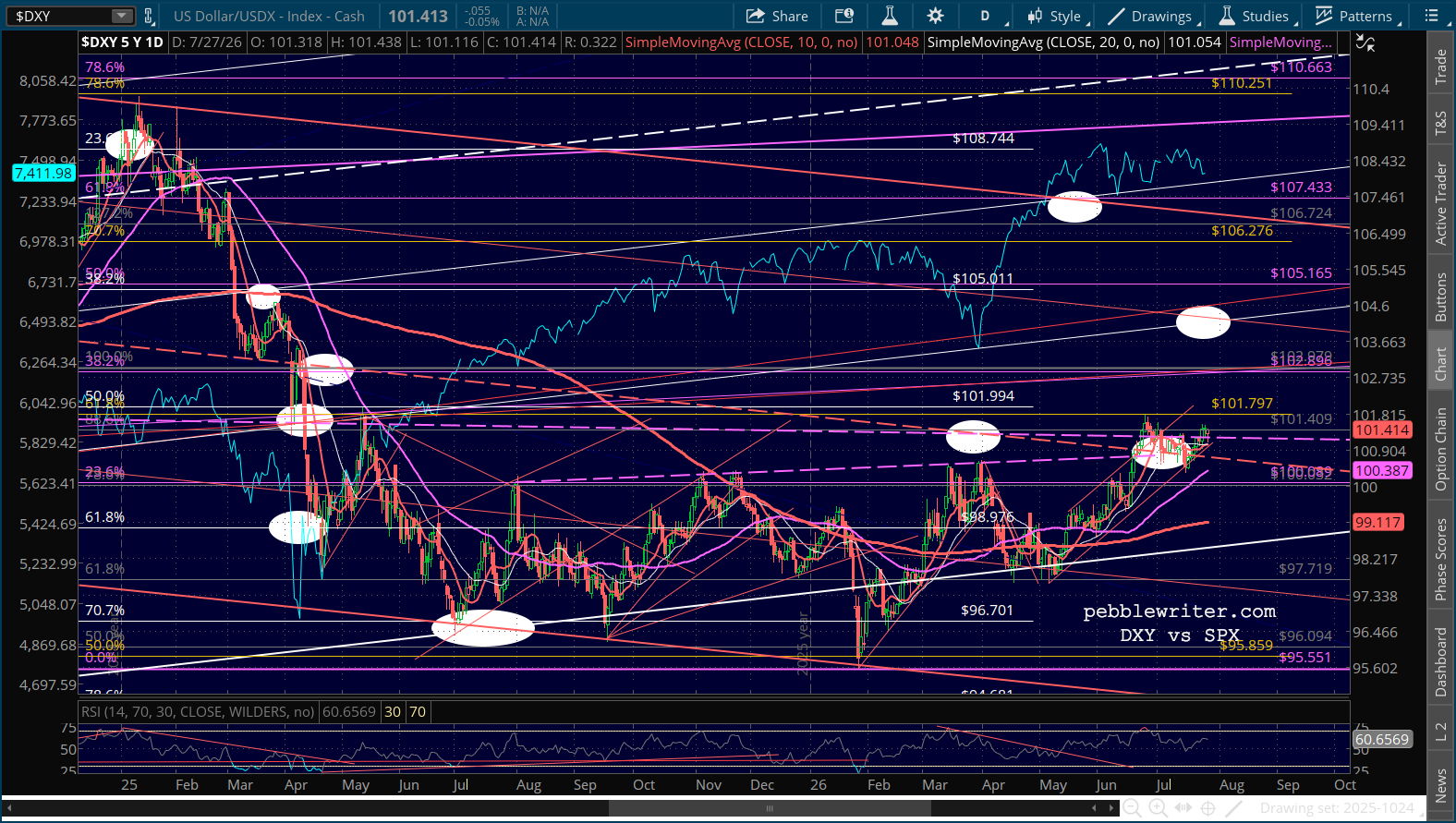
    Another measure on the bubble: DXY.

    With EURUSD reaching out 1.20 target and interest rates still rising, it has an important decision to make.

    In Japan, the Liberal Democratic Party won by huge margins – a mandate for Takaichi and her expansionary fiscal policy agenda and large investments in “national champions.” The resulting rise in interest rates has halted the USDJPY’s recent rally, at least for now.

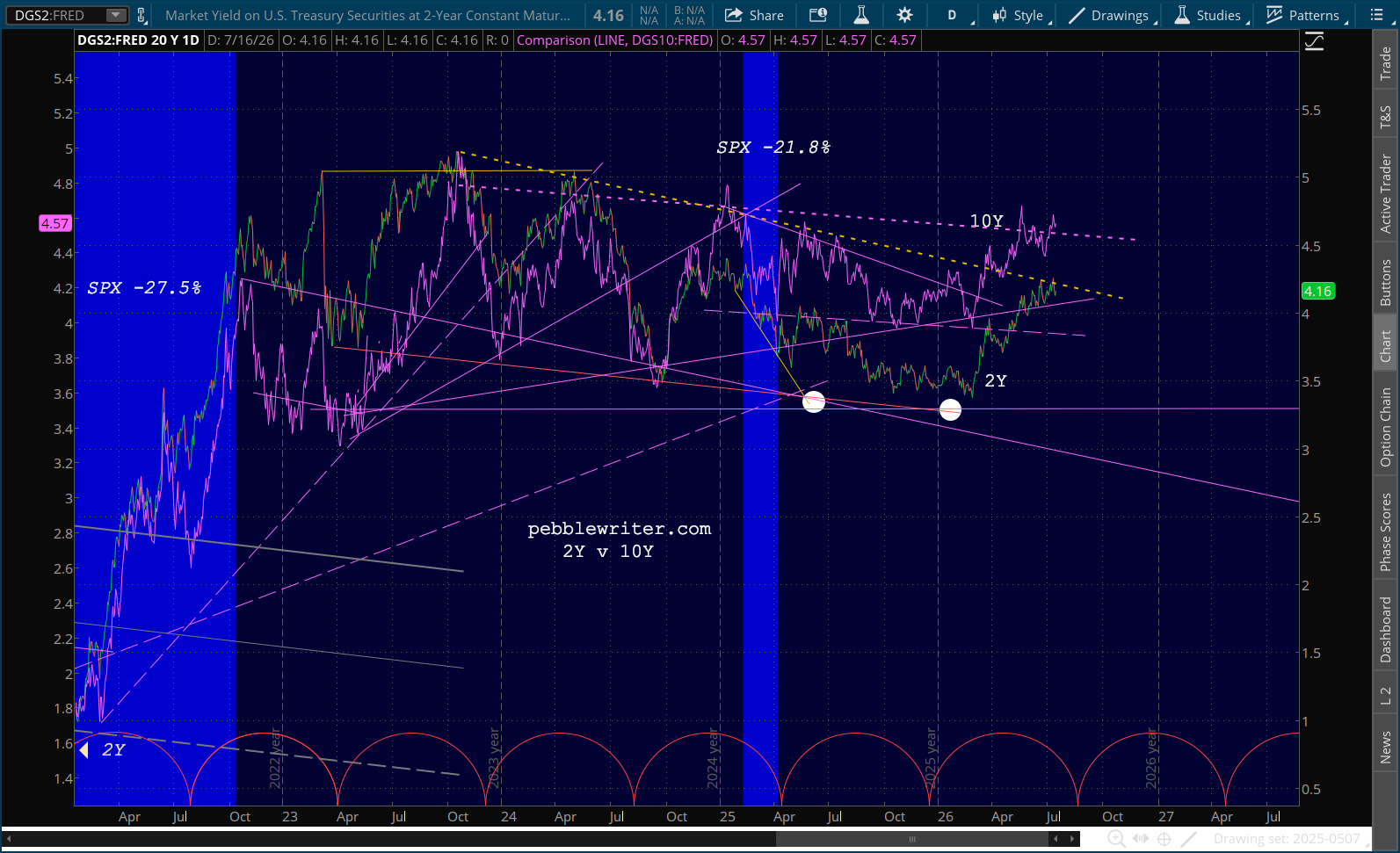
    In the US, the divergence between the DXY and the 10Y continues.

    Tech, software and the effects of AI on the Mag 7 continue to present significant risks to the market.


    Stay tuned…

  • Battle Ahead

    There’s a battle shaping up at ES 6580, where the 200-day moving average is about to catch up to horizontal support at the previous lows. If it doesn’t hold, the next major support is another 210 points lower.

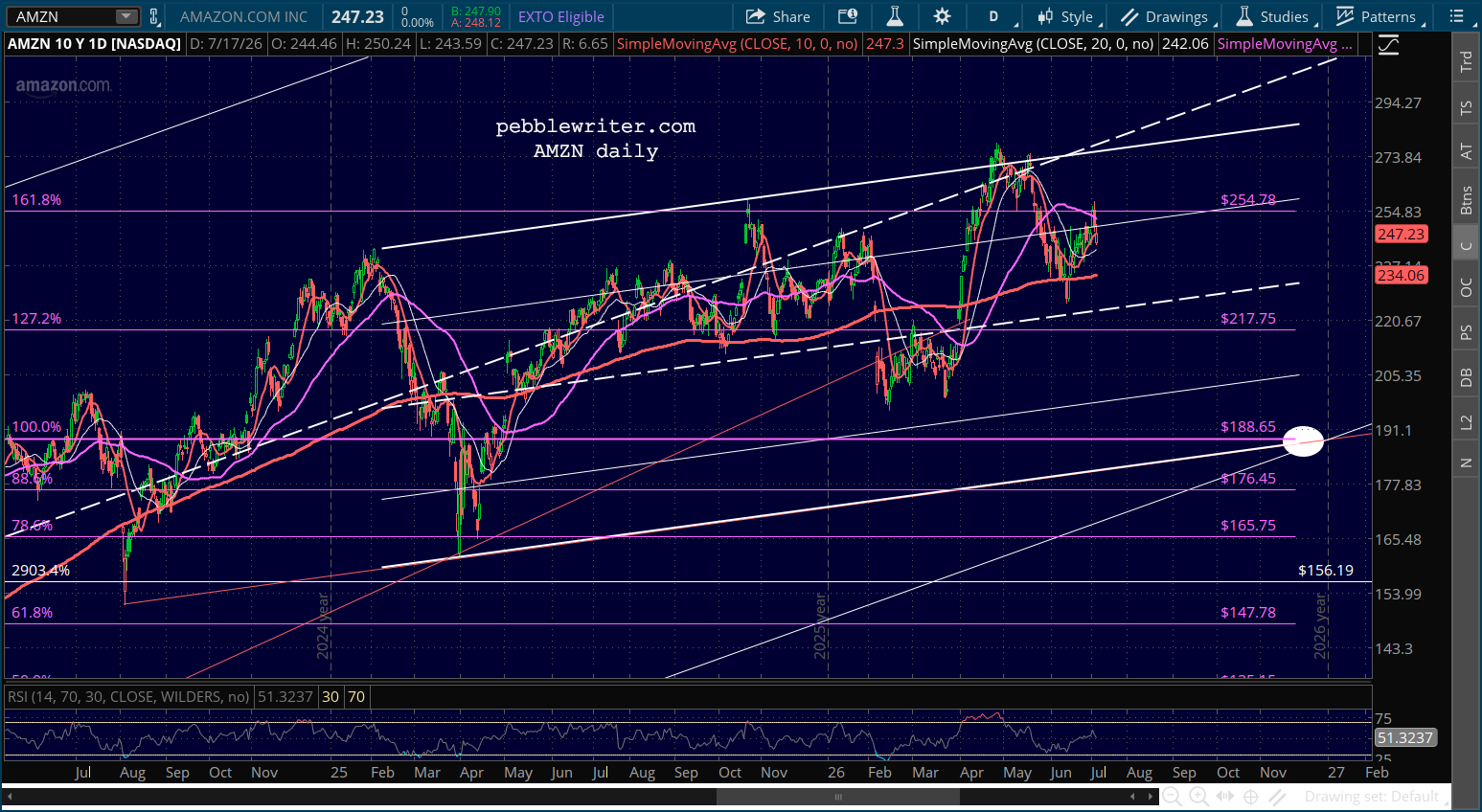
    Much will depend on whether or not AMZN can hold 200. If not, the next highest levels of support are way down at 175 and 147.

    As always, VX deserves close scrutiny. Its recent breakout above the trendline from last April and its SMA200 is highly significant. Bulls need it to fail.

    Note that in a V-shaped recovery, the DJIA has to contend with our target at the 1.618 Fib extension at 50,303.