
As we discussed yesterday, USDJPY has reached a critical line in the sand. As one of the primary drivers of equity algos [see: Yen Carry Trade] this creates a potential headwind for stocks.
Over the years, oil and the USDJPY have mostly offset each other – with one bolstering stocks while the other resets (or, moving in tandem if the situation is dire enough.) The most significant such event was in July 2014, when WTI’s crash began on the very same day that the USDJPY broke out to new highs.
 This enabled Japan, which had recently seen inflation near 4% as a result of soaring oil prices, to withstand even further yen depreciation. It also enabled SPX to remain above the critical resistance (1823) through which it had recently pushed.
 As oil crashed, Japan’s inflation rate settled back down to the level at which the BoJ could justify continuing an insane amount of QQE (which continues to this day.)
  And, SPX went merrily on its way to its next technical resistance at 2138, backtesting 1823 another 4-5 times (in case there were any unconvinced bears left standing.)
 Why the history lesson? The huge white channel that has carried USDJPY higher since 2010 broke down on January 24, two sessions before SPX topped out and began a 340 point (11.8%) correction.
When SPX finally bottomed out at its 200-day moving average on Feb 9, it was because USDJPY was making noises about rejoining the broken white channel and because oil took the opportunity to bottom out and begin a 29% rally (yep, the same day.)
While CL did the heavy lifting, USDJPY reset for the next six weeks. It bottomed on Mar 23, the very same day that SPX tagged its SMA200 for the second time. USJDPY has since supported SPX’s slow, tortuous climb back above a key Fib at 2703 ever since.
But, yesterday, it reached a critical line of resistance — a backtest of the huge white channel from which it originally broke down and instigated the Jan-Feb correction. Normally, backtests mark reversals. So, when we talk about reaching “critical resistance” we’re not just talking about the currency pair. If USDJPY doesn’t push through resistance, stocks will not be amused.
We’ll take a look at the various scenarios and the likely outcome of each.
continued for members…
There are three potential courses of action for USDJPY.
1. USDJPY breaks back into the rising white channel
2. USDJPY reverses
3. USDJPY goes sideways
We’ll examine each.
- USDJPY Breaks Back into the Rising White Channel
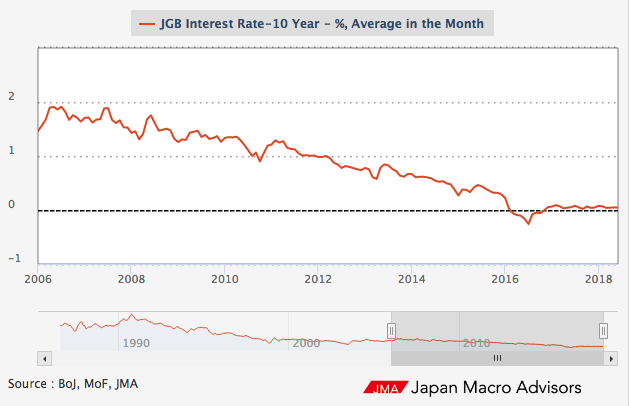
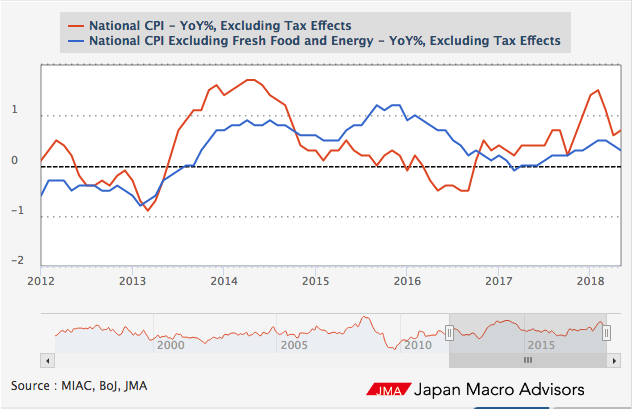
In this event, Japan would be opening itself up to more inflation. But, inflation is not currently a problem. Even though oil priced in yen has increased 18% since March, inflation is being reported at 0.7% and interest rates are still negligible. The 10Y is at a laughable .047%.
I suspect that the BoJ, like the Fed, is actively seeking to increase interest rates in order to create more headroom for the next emergency which requires lowering rates. Also like the Fed, the BoJ cares much less about achieving 2% inflation than they do about propping up stock prices.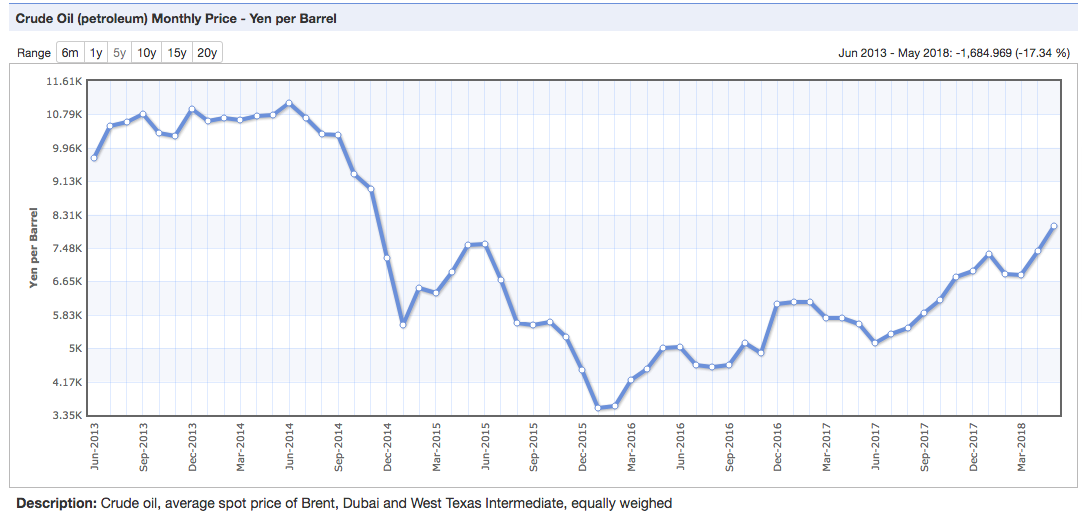
 If the USDJPY breaks out, this is net bullish for the US dollar and for stocks. It would also help put the brakes on rising US inflation.
The pair has plenty of upside targets. Note that the SMA50 just rose above the SMA200, a golden cross. It last fell below it (a bearish death cross) in early Feb, when USDJPY’s rising white channel broke down.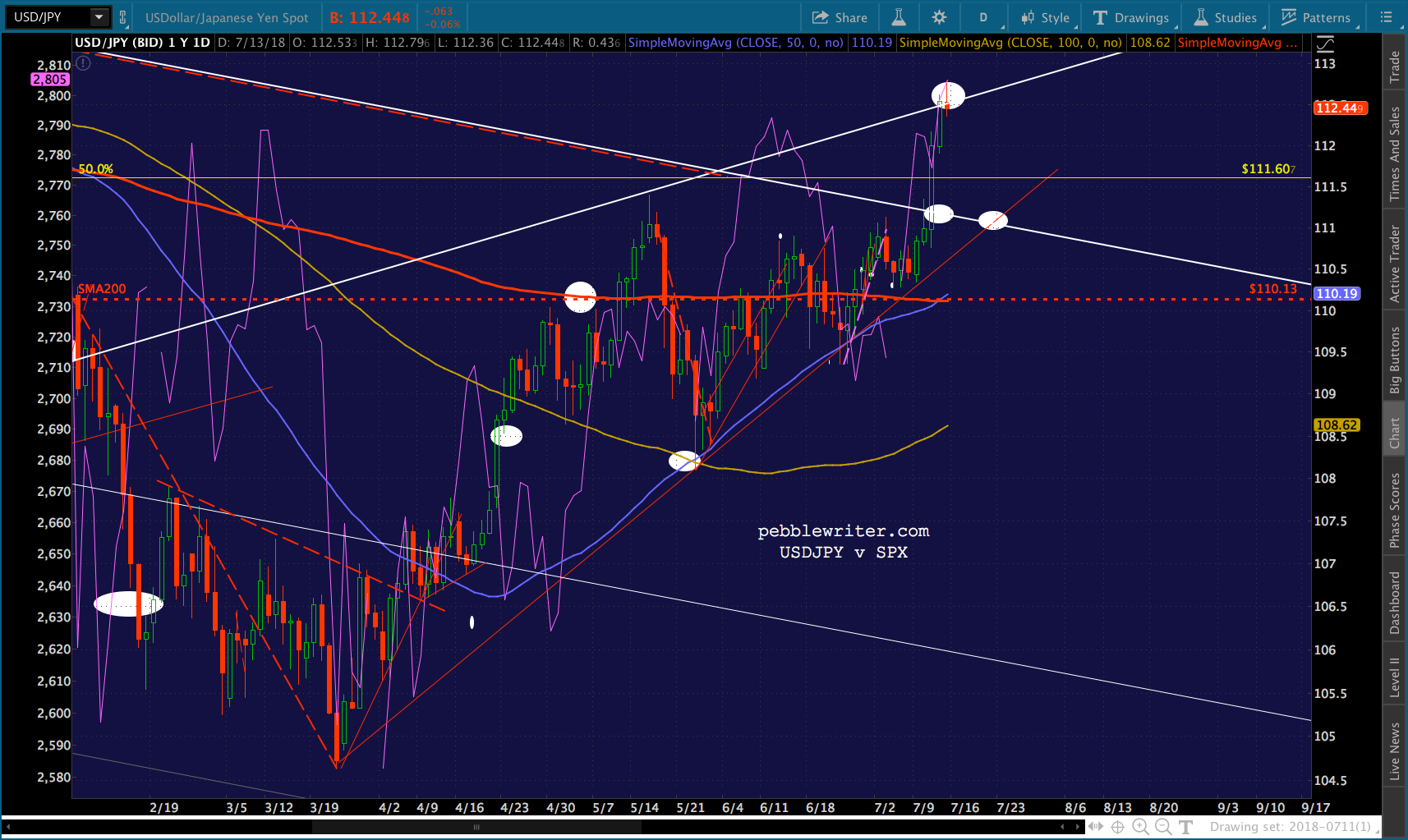 Bottom line, the best upside target for USDJPY is the one which helps stocks protect support or punch through resistance. At this point, that means holding SPX 2703 — whatever it takes.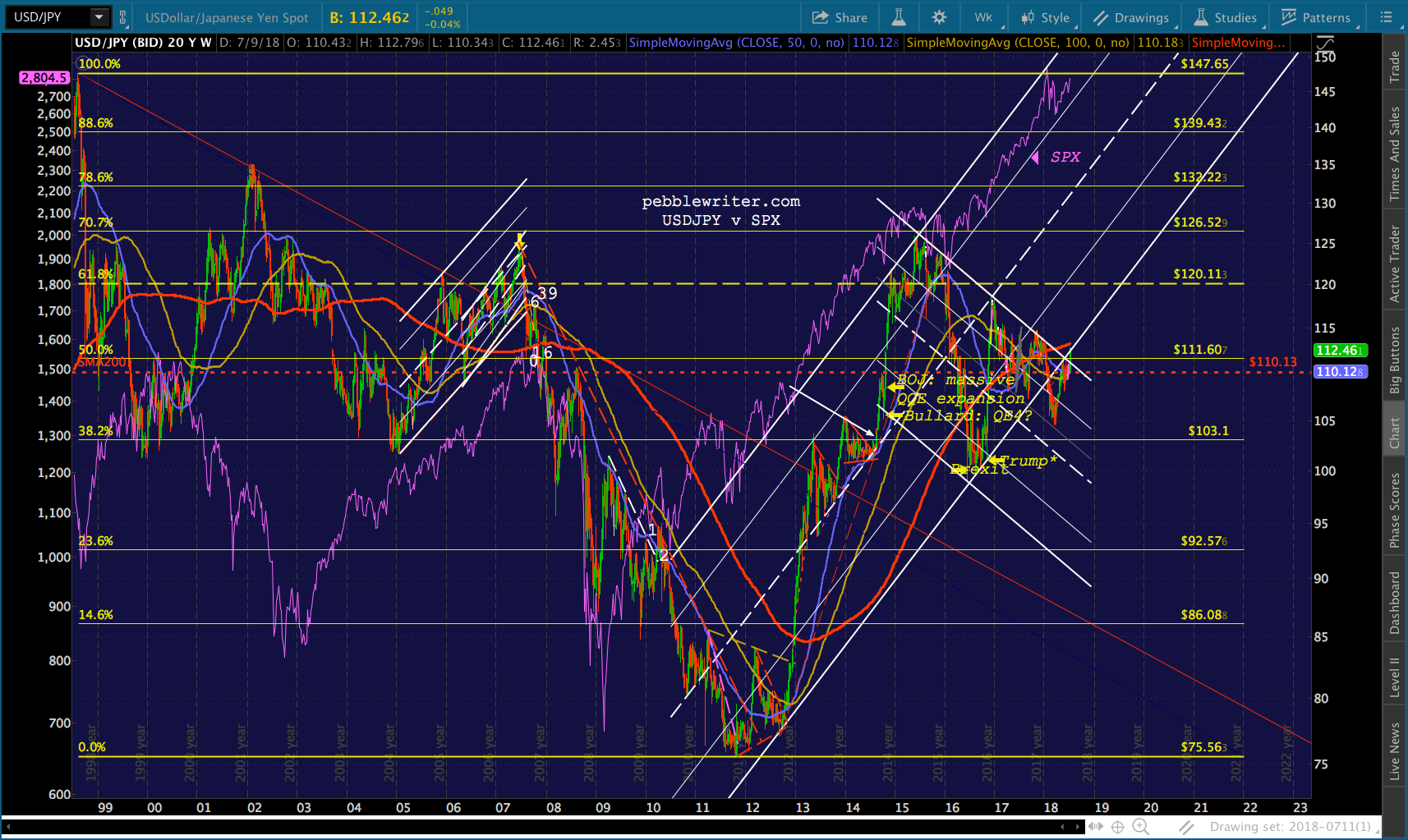
2. USDJPY Reverses
If USDJPY reverses, then the yen is strengthening. Japan’s CPI and interest rates would theoretically decline as its key imports are food and oil. It would be a headwind for stocks which, depending on where they are at the time, could jeopardize the 2703 support they’ve worked to hard to hold.
The only reason I can see for the BoJ to allow the yen to strengthen is if oil prices rise sharply. Again, oil in yen increased 18% between March and May. I suspect June will be relatively flat, as the yen and oil both fell MoM. Inflation remains subdued.
With the yen, however, the issue isn’t usually that the BoJ allowed it to appreciate. It’s usually the case that some financial calamity sends Japanese investors scurrying for cover, repatriating financial investments from neighboring and developing markets (e.g. the Asian Contagion.)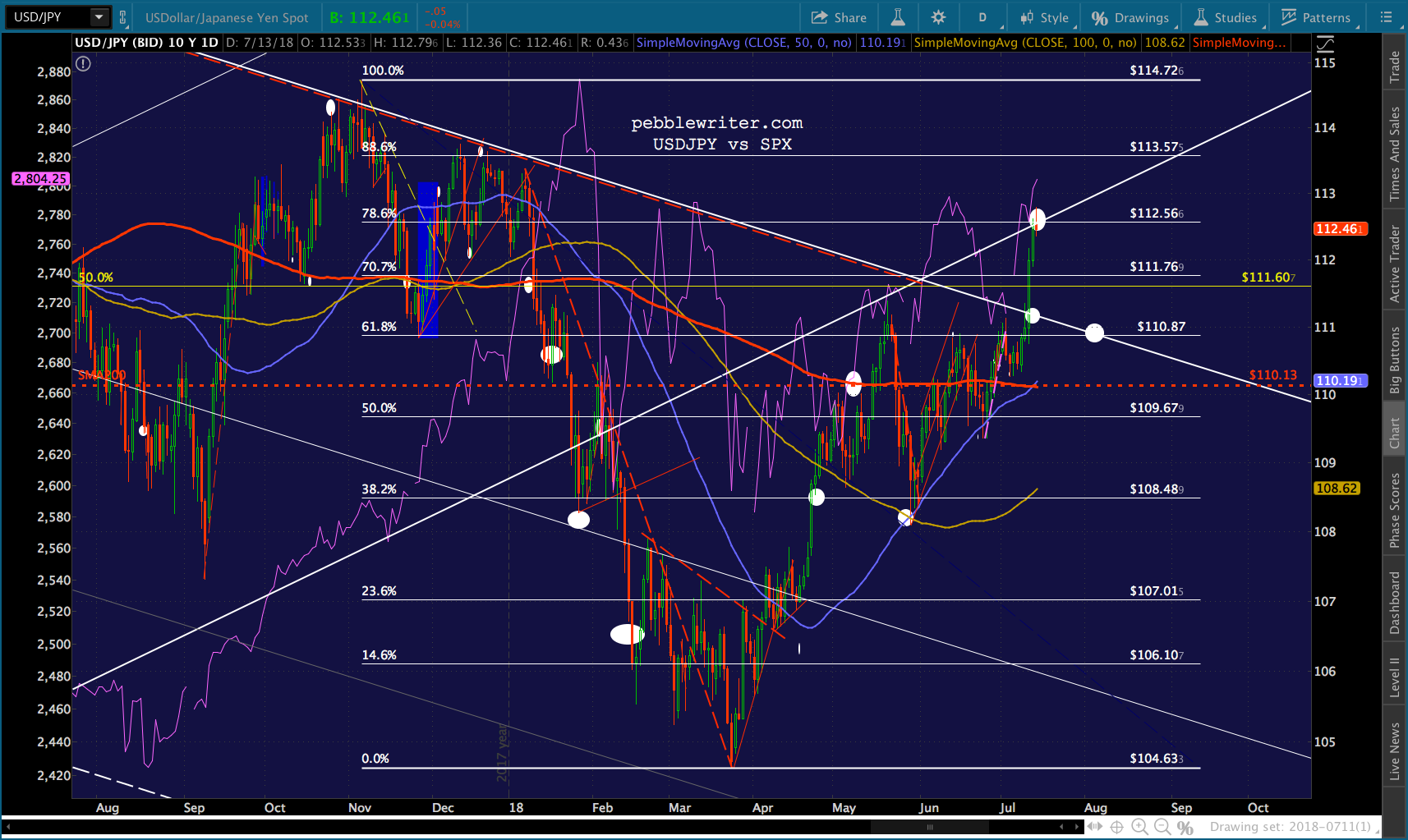 I certainly wouldn’t rule out such an occurrence. But, TPTB have done a very good job, so far, of keeping enough fingers in the dike to prevent any major hiccups. It’s more the unforeseen calamities, the black swans, which might cause a major reversal for USDJPY and, therefore, for stocks.
The only reason I show a reversal on the chart is because I think it would make sense to backtest falling white channel which USDJPY broke out of. Of course, a drop back below the falling white channel top and, especially, the SMA200 could create real problems for stocks.
3. USDJPY Goes Sideways
We’ve seen plenty of this, right? Consider the number of times USDJPY has crossed its SMA200 since Nov 2016, in the days following the US election.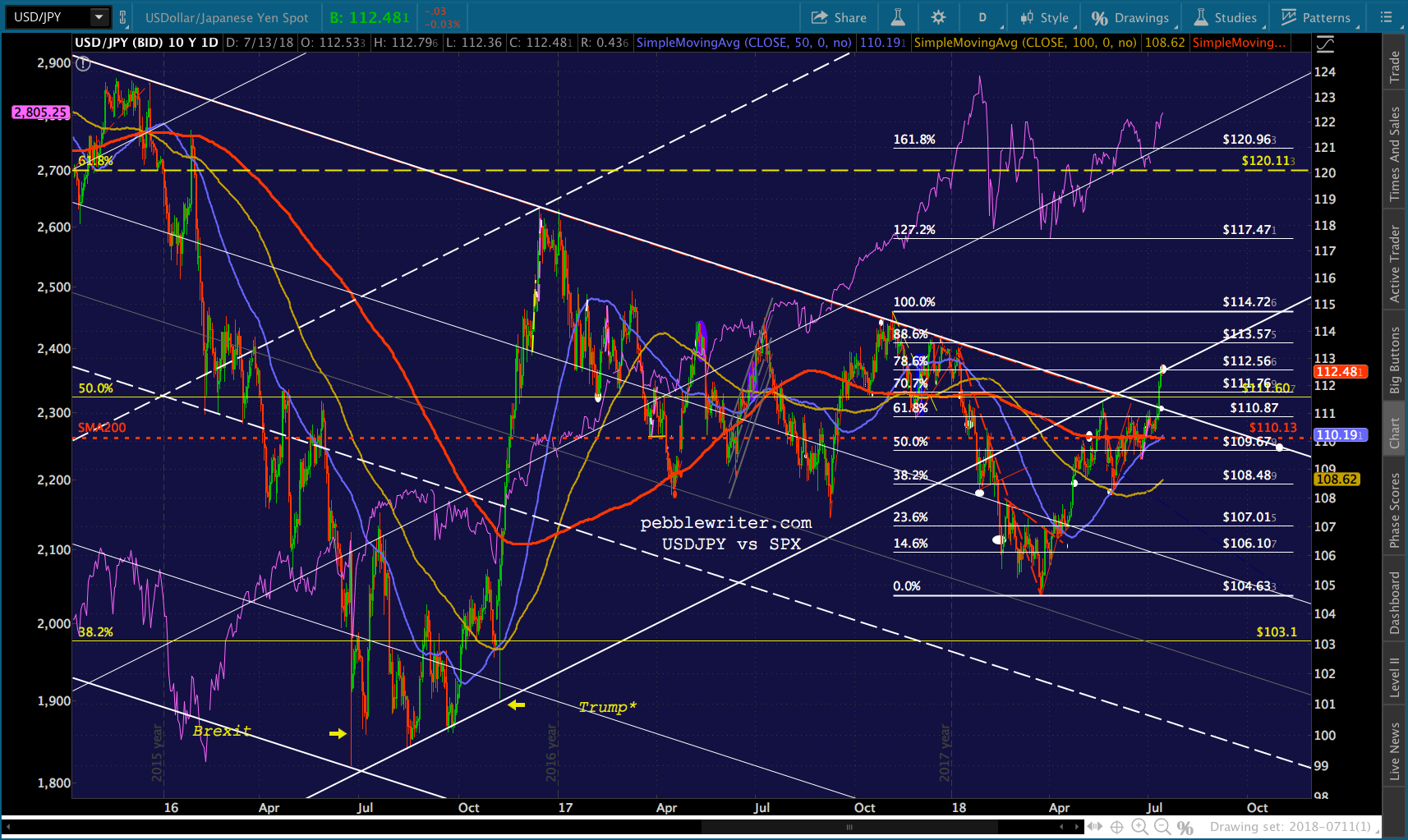 As long as SPX remains above 2703 and its SMA200, USDJPY might be very comfortable remaining in a range which kept plenty of powder dry for the next emergency. In such a scenario, it would bide its time until the SMA200 emerged from the falling white channel. I’ve sketched it in as late October or early November, but that’s a wild guess.
This scenario has the added benefit of allowing TPTB to fine tune market responses as opposed to undertaking big, expensive operations. Like the scenario above, this one would suggest that oil and gas prices would remain in the same general range — offsetting USDJPY’s moves when necessary. 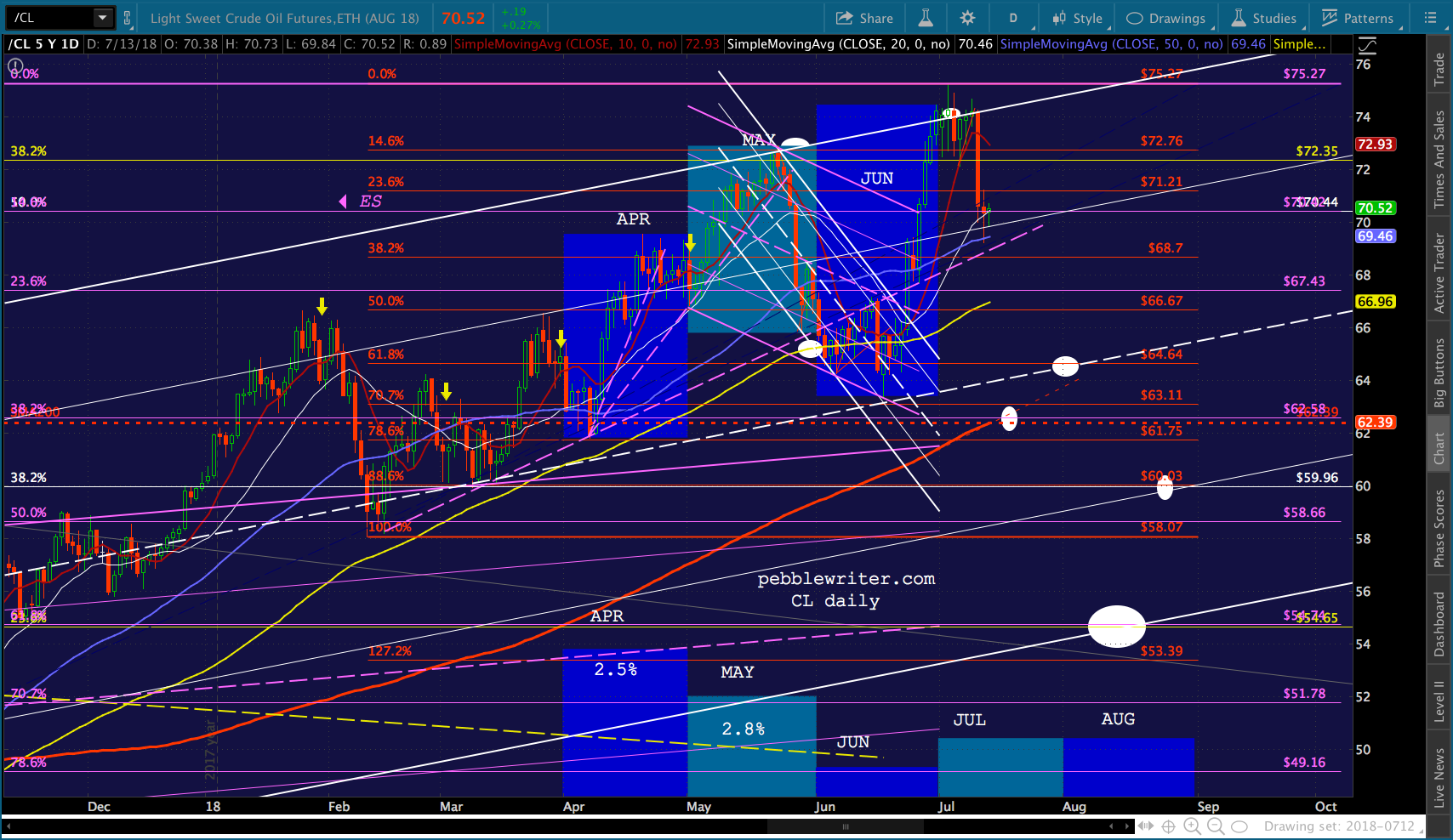
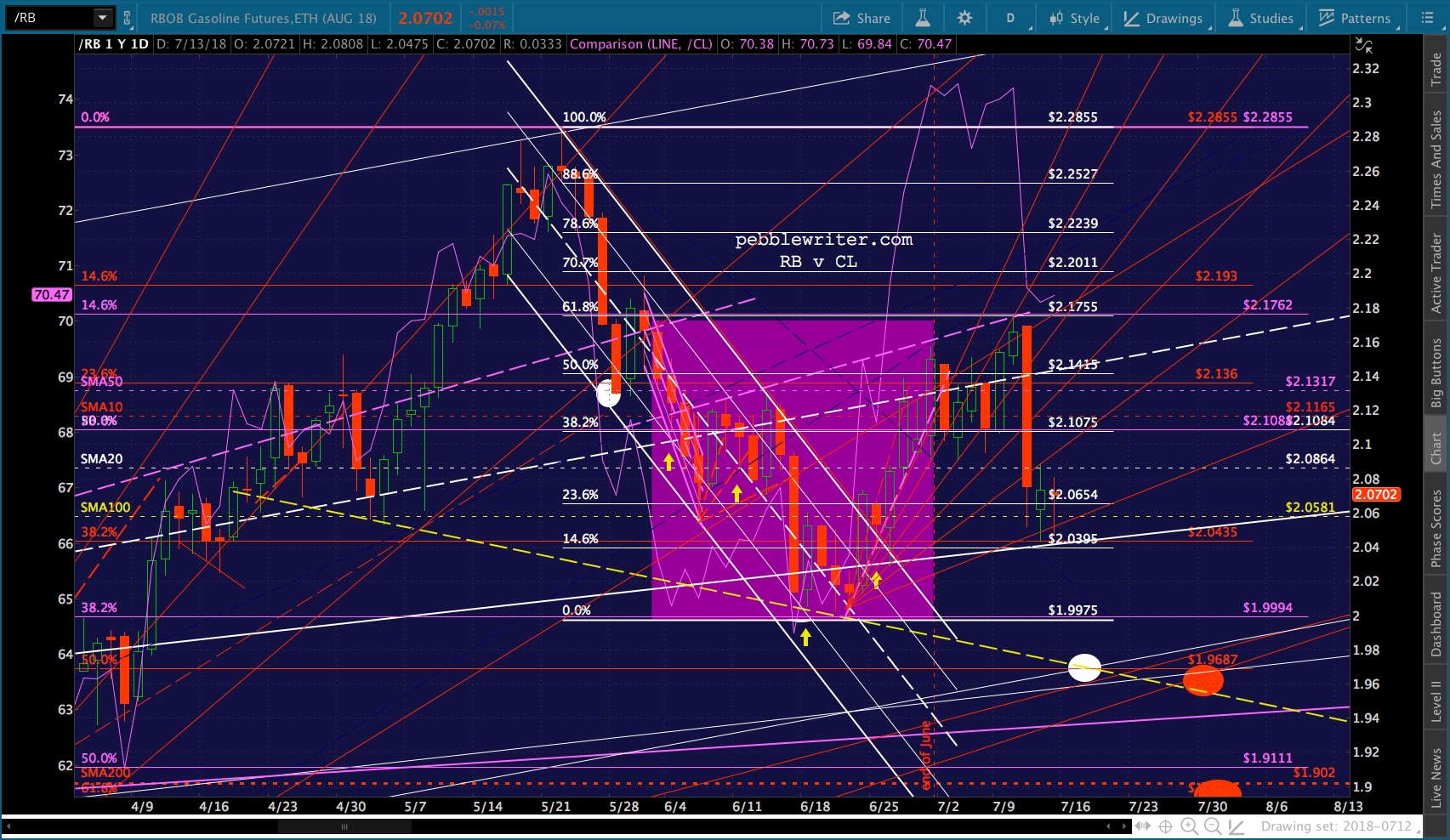 As we’ve noted, lately, an meaningful increase in oil & gas YoY deltas could push inflation to such a level that interest rates rise to unacceptable levels.
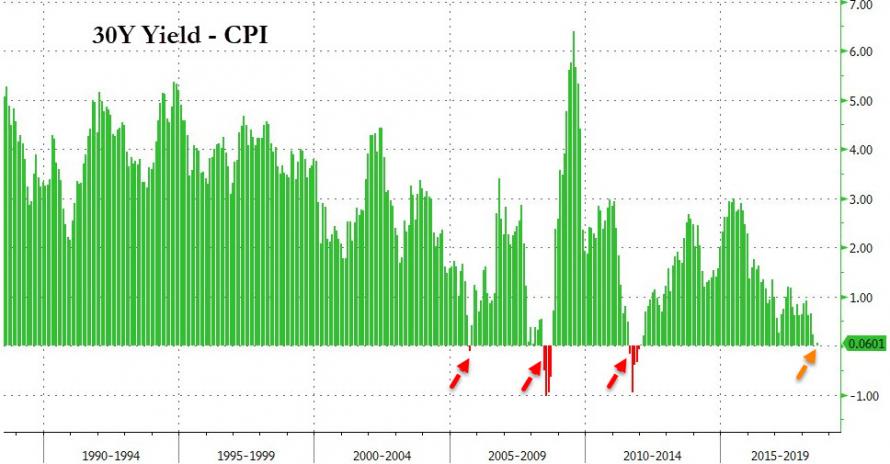
But, unless TNX begins to push 3% again, this is not necessarily a problem. What is a problem is that CPI is drawing awfully close to yields on 10Y and 30Y treasuries. This is a rarity, and typically means a recession and/or correction.
Conclusion: All things considered, there’s no reason for USDJPY to continue higher at this moment. After 3 successful bounces off its 2.24, SPX just popped above its neckline resistance. As far as the downside case, it’s hard to imagine it would drop through the SMA200. The last time it did so, it helped touch off the Jan-Feb correction.
Thus, the most likely course of action is a backtest of the white channel top and SMA200, ideally when they intersect a few months from now — but, sooner if SPX falters. The SMA100 and SMA200 will intersect in about a month, which is another legitimate target as that’s when SPX’s rising white channel encounters the Jan highs.
I’d be short here for the white channel top, currently around 110.83, and be prepared for a further drop to the SMA200.
GLTA.
Comments
2 responses to “USDJPY Reaches Critical Resistance”
Hi Michael since the Yen seems so critical to stocks maybe you could do a post on its relationship to gold; a few weeks ago you had alluded to some upcoming gold charts and it sure has tumbled of late. I’d be interested to see any forecast. Thank you very much.
Good idea. Will do!