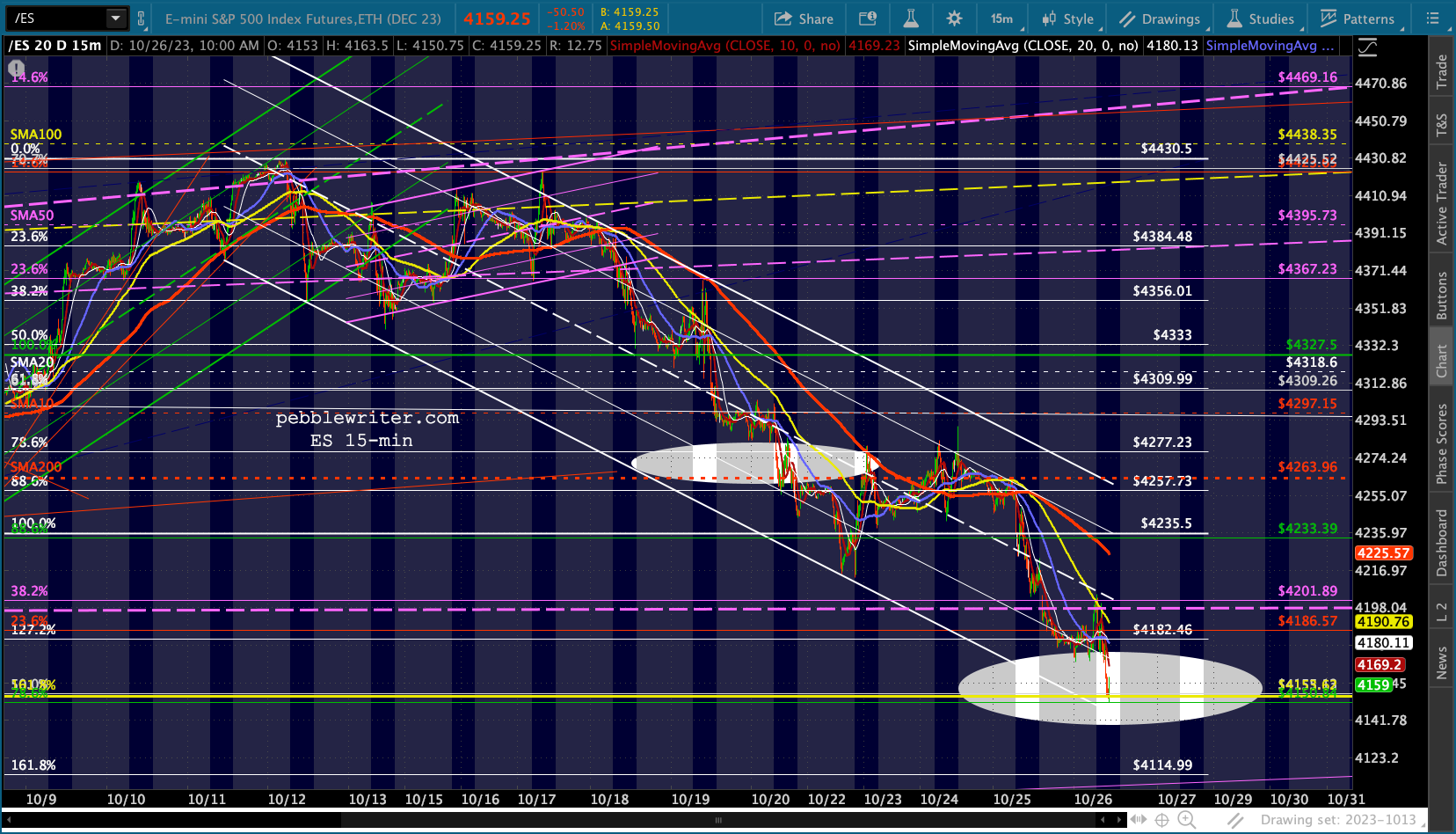

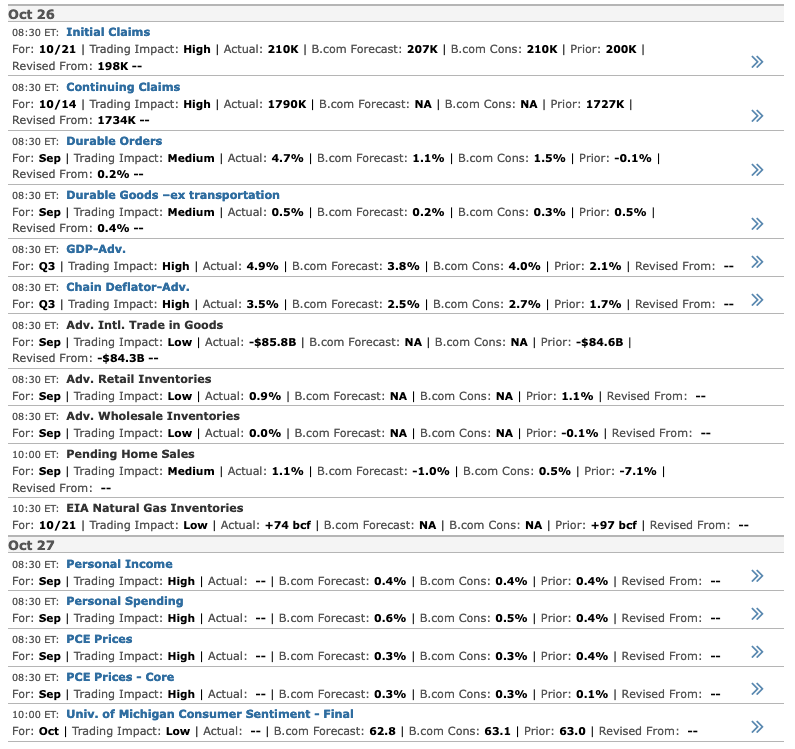
GDP grew at a rapid 4.9% annualized clip last quarter, far outpacing most estimates and prompting a bounce in futures from overnight lows (after ES reached the top of the range for our next lower target.)
 However, it merely complicates the Fed’s inflation fighting efforts.
continued for members…

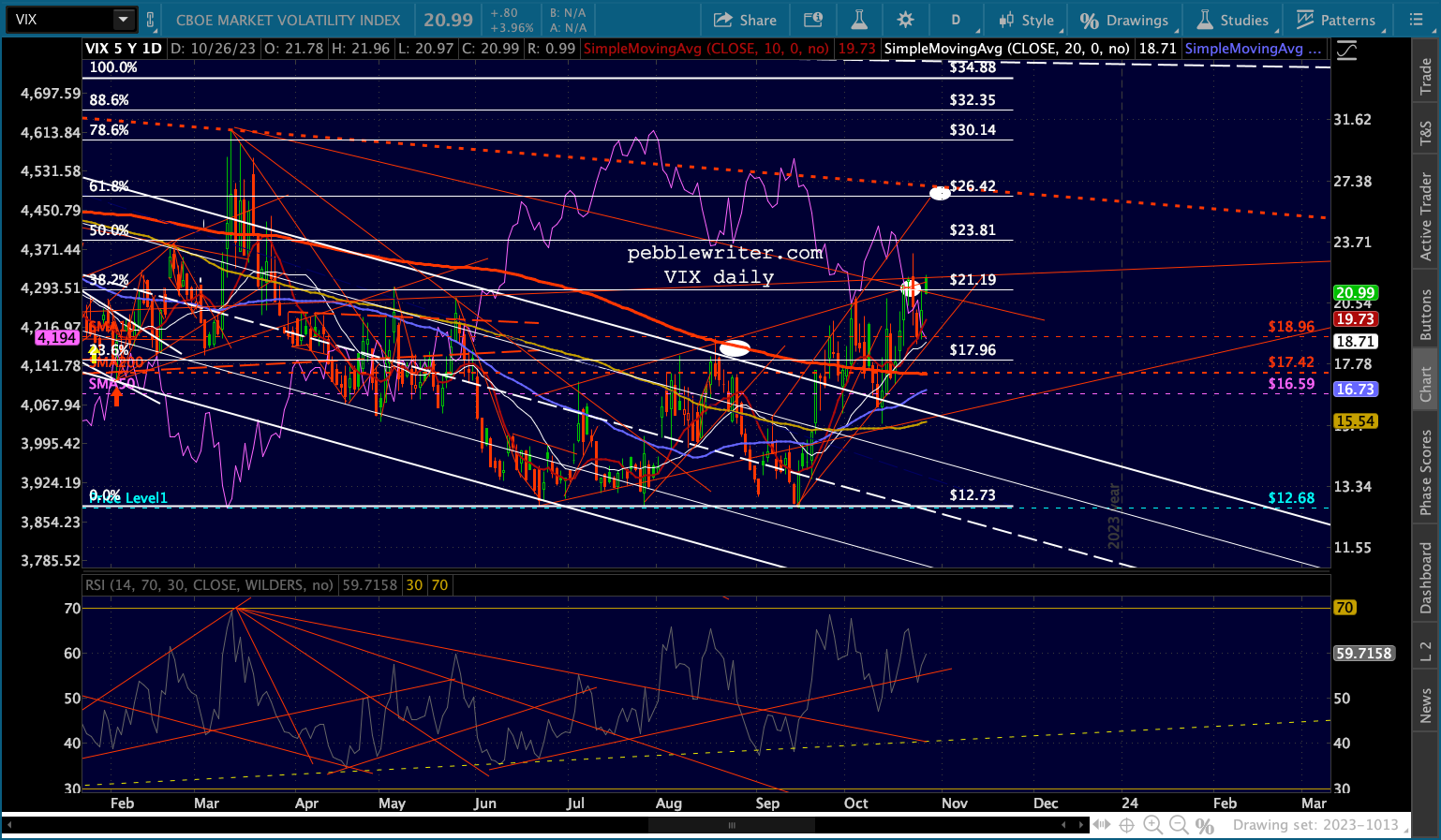


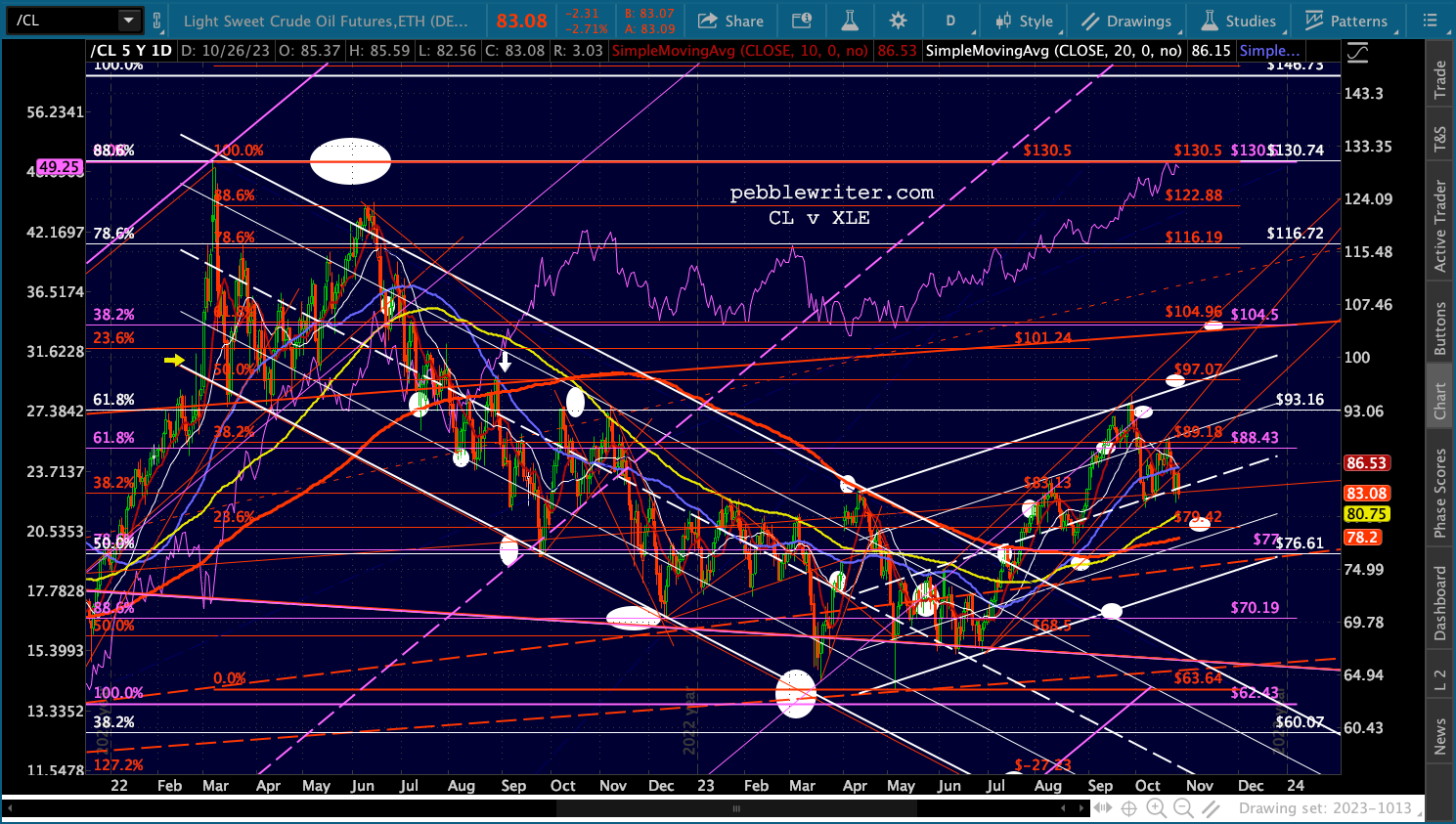
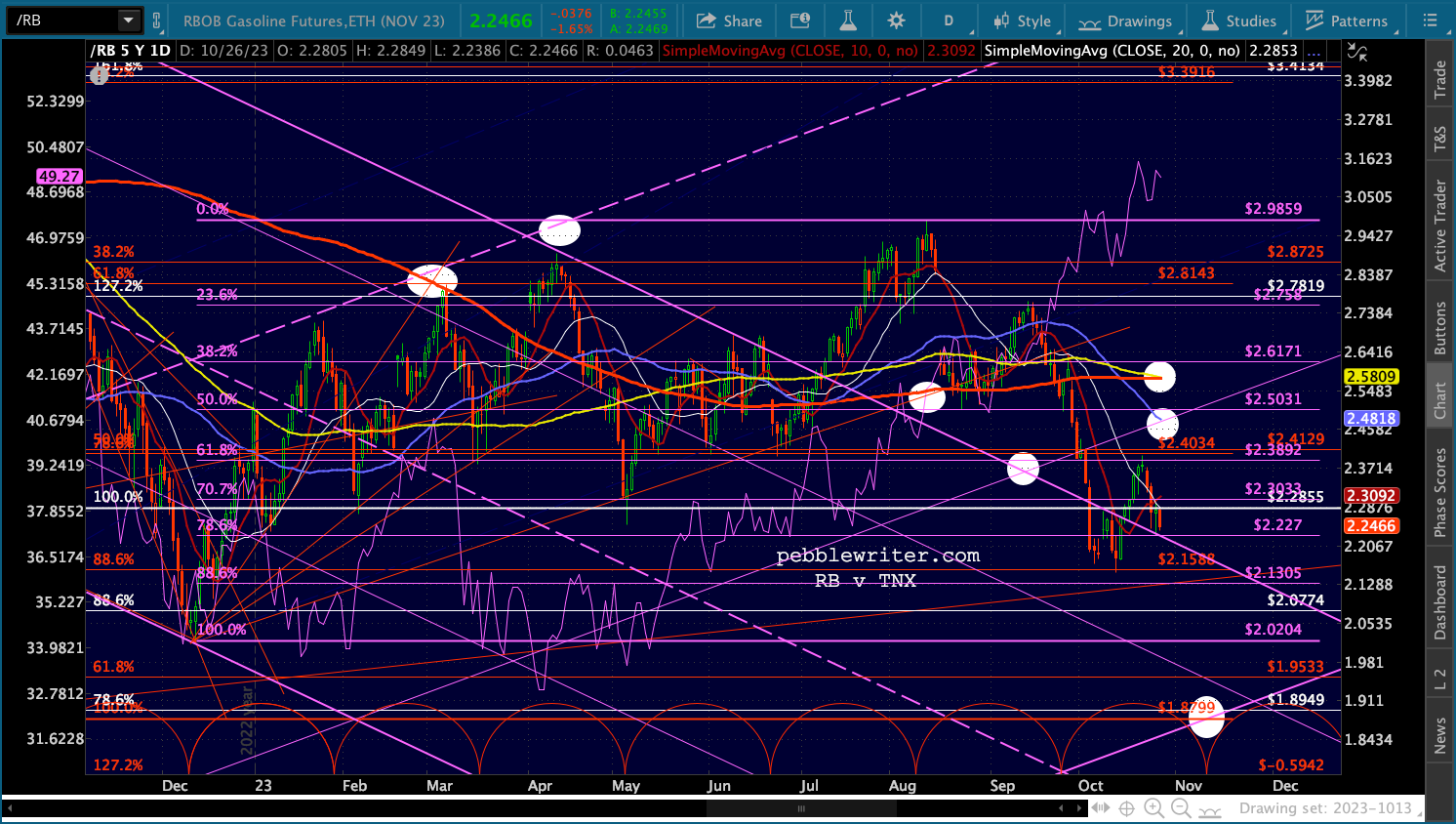
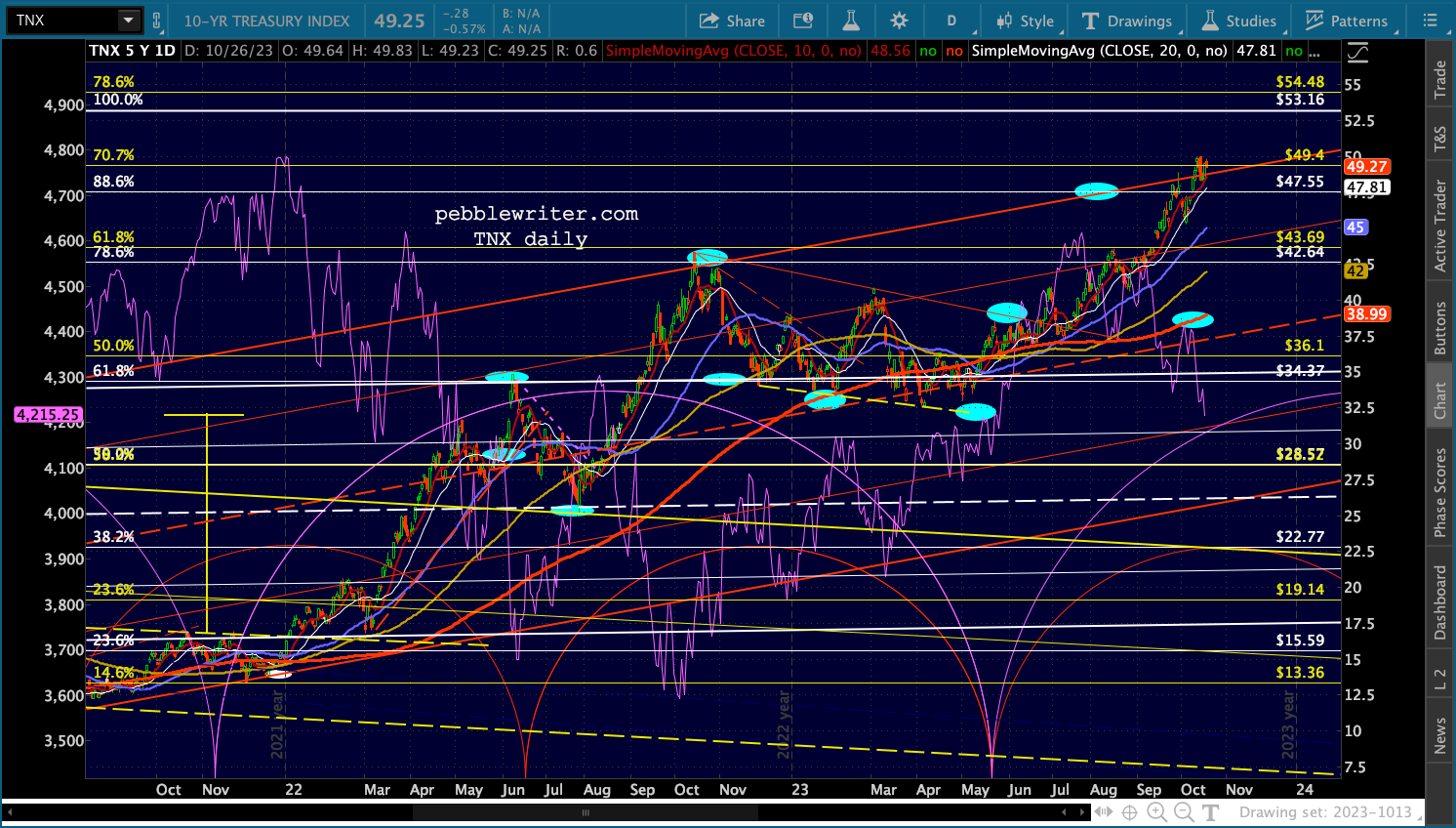
 There is much more economic data to come, including homes sales and tomorrow’s important PCE reading.
 At the risk of repeating myself, bringing inflation back down doesn’t actually fix things. Inflation is merely a measure of year-over-year price increases. Even if the Fed could engineer a reduction to 2%, it doesn’t solve the problem of existing prices being too high for the average American.
The average home price in the US was $416,100 as of Jun 30. An 80% loan (assuming someone could come up with a $100,000 in down payment and closing costs) would mean a mortgage payment of $2,561 – probably more like $3,000 by the time you add in taxes and insurance.
To qualify, someone would need about $120,000 in annual income – well above the $70,000 average annual income of American families. Some earn much more, and they are able to buy provided they can find someone willing to give up existing their 3% mortgage. But, the rest simply stay put, paying more and more in rent.
It’s why the country is increasingly divided into haves and have-nots — all courtesy of a Fed which decided that saving banks and boosting equity prices was more important than the long-term health of all Americans. Oh, and they lied about it in the process (transitory.)
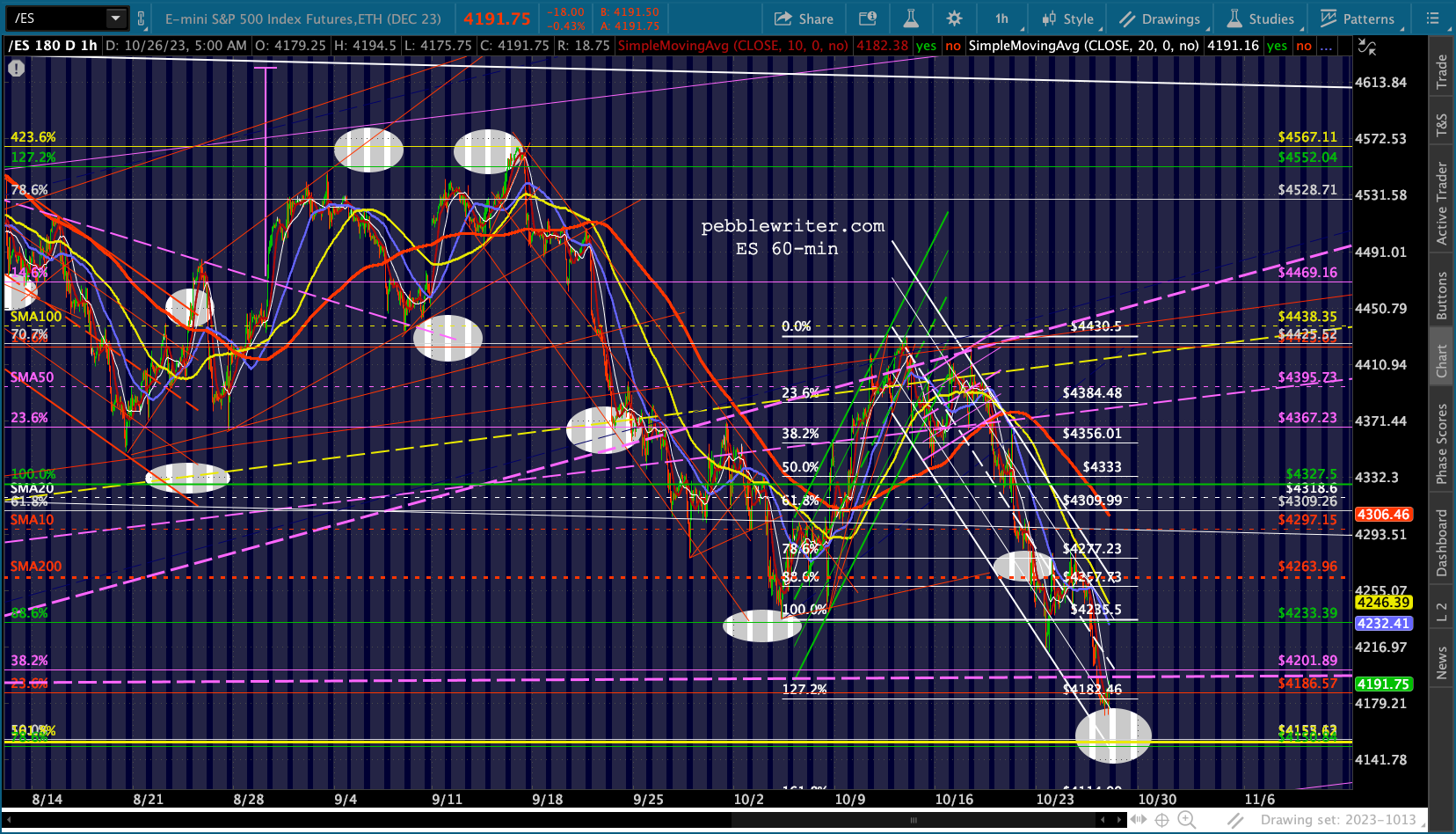
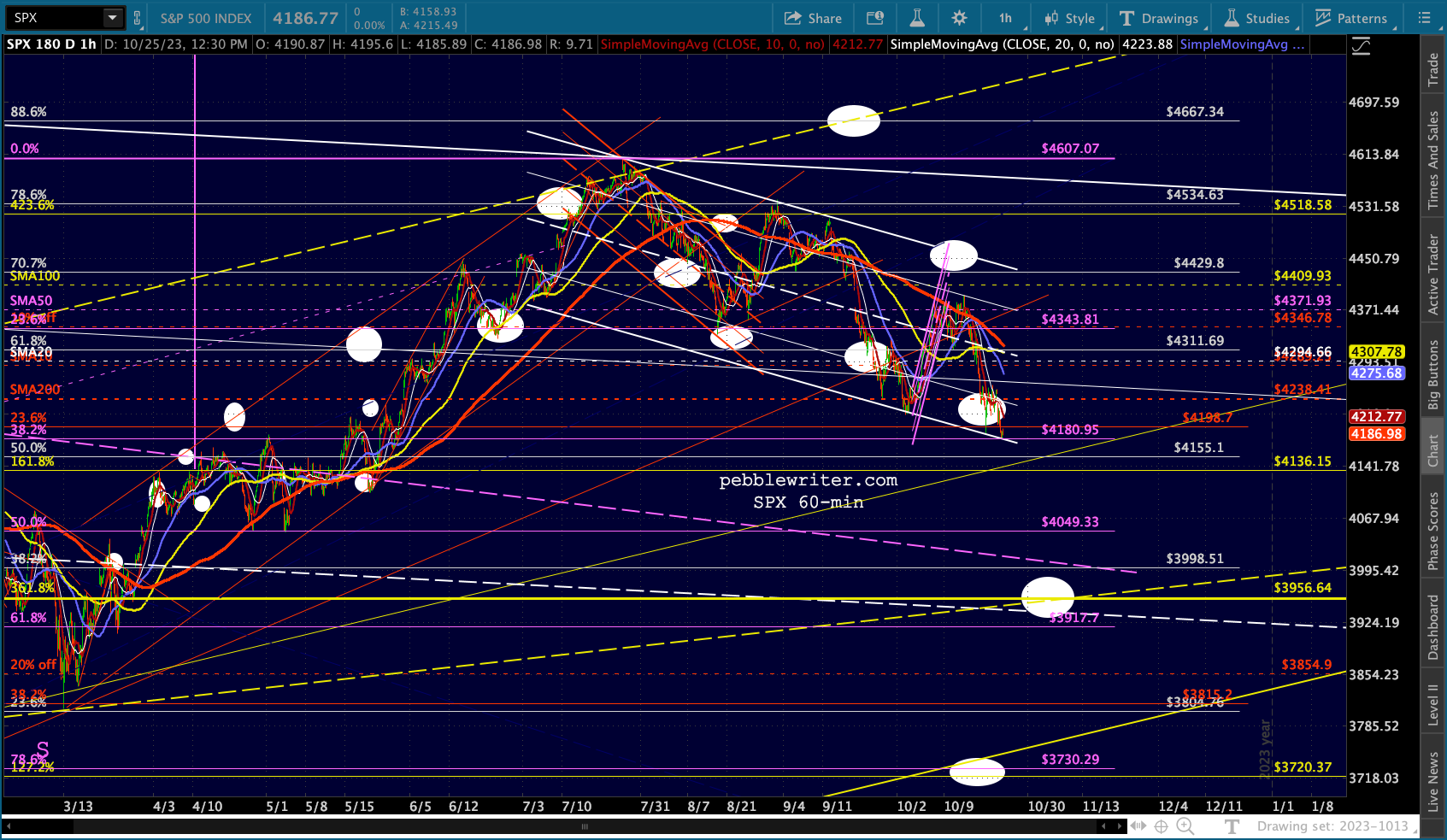
If ES 4153 doesn’t hold, the next important support doesn’t come until 3997.